
Did you know that businesses make an average of $2 in revenue for every $1 spent on Google Ads? Paid search marketing is one of the most effective digital advertising strategies for driving targeted traffic and generating leads. If you’re a small business or an established brand, leveraging paid search marketing services can increase visibility, attract customers, and improve conversions. But what is paid search marketing, and how does it work? Let’s break it down.
What Is Paid Search Marketing?
Paid search marketing is a form of digital advertising where businesses pay to display ads on search engine results pages (SERPs). These ads appear when users search for specific keywords related to a business’s products or services. Google Ads and Microsoft Advertising are the most common platforms used for running PPC search marketing campaigns.
Unlike organic search engine optimization (SEO), which takes time to build rankings, paid search marketing delivers instant visibility by placing ads at the top of search results. This approach ensures businesses reach high-intent users—people actively searching for their offerings.
How Does Paid Search Marketing Work?
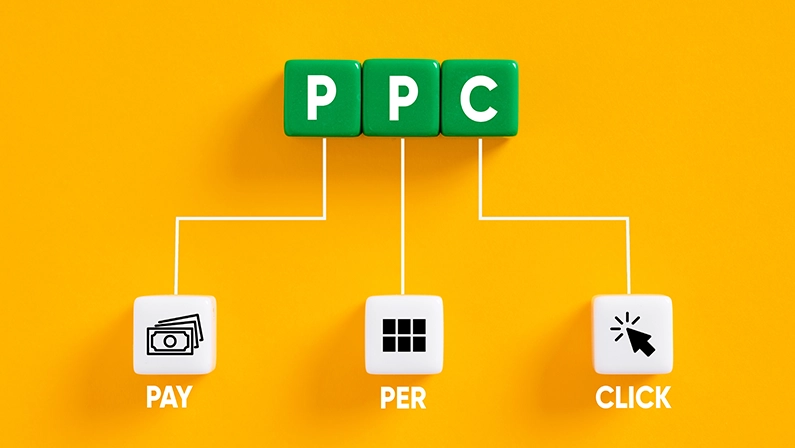
Paid search marketing operates on a pay-per-click (PPC) model, meaning advertisers pay when someone clicks on their ad.
The process involves:
1. Keyword Bidding
Advertisers select relevant keywords and bid on them in an auction-based system. Higher bids, combined with ad quality, determine placement.
2. Ad Creation
Businesses write compelling ad copy with a clear call to action (CTA) to attract clicks.
3. Ad Rank & Quality Score
Google considers bid amount, ad relevance, landing page experience, and expected CTR (Click-Through Rate) to determine ad position.
4. User Clicks & Conversion
When a user clicks the ad, they land on a website or landing page optimized for conversions.
5. Performance Tracking
Paid search analysis is conducted to measure ad performance, track conversions, and optimize future campaigns.
Why Invest in Paid Search Marketing?
Businesses turn to paid search marketing services because they offer quick results, targeted traffic, and measurable return on investment (ROI). Unlike organic strategies that take time to gain traction, paid search ads provide instant visibility, ensuring that your business appears at the top of search results, ahead of organic listings.
Highly Targeted Approach
Ads are displayed based on user intent, meaning your business reaches people actively searching for your products or services. This increases the likelihood of conversions while keeping marketing efforts focused on the right audience.
Budget Flexibility
Budget flexibility is another reason businesses invest in paid search campaigns. With full control over spending, advertisers can set daily budgets, adjust bids, and scale campaigns based on performance. Since Google Ads and other PPC platforms provide detailed analytics, businesses can track click-through rates (CTR), conversions, and ad performance, making it easier to optimize campaigns for better results.
Competitive Advantage
Paid search marketing offers a competitive edge. Even if your competitors rank higher in organic search results, a well-optimized paid search strategy ensures that your brand gets seen first. By leveraging search intent, strategic bidding, and data-driven adjustments, businesses can maximize their online presence and achieve higher visibility, better engagement, and increased sales.
The Relationship Between Paid Search Ads and PPC
Many people ask, what is the difference between paid search and PPC? While both terms are often used interchangeably, PPC is a broader term that includes all pay-per-click advertising, such as display ads and social media ads. Paid search marketing specifically refers to PPC ads that appear on search engines.
Types of Paid Search Campaigns
Paid search advertising offers several campaign types, each designed for different marketing goals.
These include:
Search Ads
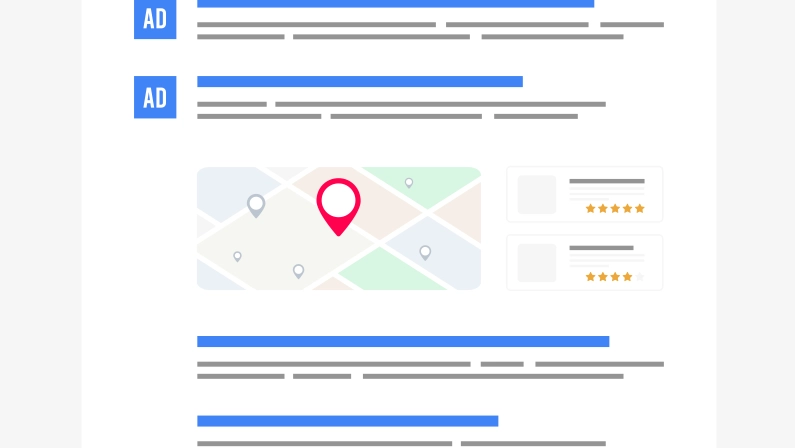
Search ads are the most common form of paid search marketing and appear at the top of Google and Bing search results when users enter relevant queries. These ads are marked as “Sponsored” and provide businesses with instant visibility.
For example, if a user searches for “best digital marketing agency”, paid search ads will appear before organic results, ensuring that businesses targeting this keyword get noticed first. Search ads are ideal for lead generation, brand awareness, and direct sales.
Shopping Ads
Shopping ads are designed for e-commerce businesses and showcase products directly within search results. Instead of just displaying text, Google Shopping Ads and Bing Shopping Ads include product images, pricing, and customer reviews to attract potential buyers.
For instance, if a user searches for “running shoes“, shopping ads from Nike, Adidas, or other retailers may appear, displaying different models and prices. Shopping ads are particularly effective for businesses looking to increase online sales and drive more qualified traffic to product pages.
Display Ads
Display ads use visual banners, images, and graphics to reach users across millions of websites within the Google Display Network (GDN). Unlike search ads that target users actively searching for products or services, display ads help businesses build brand awareness and retarget potential customers as they browse the web.
For example, a user who visits a fitness website might see a banner ad for a sports drink company on a different website later that day. These ads are commonly used for brand recognition, remarketing, and increasing customer touchpoints.
Remarketing Ads
Remarketing ads target users who have previously visited your website but did not complete a purchase or conversion. These ads follow users across Google, YouTube, and partner websites, reminding them about your brand and encouraging them to return.
For instance, if someone adds a product to their cart but leaves without checking out, a remarketing ad may display a special offer or reminder about the item. This strategy helps businesses increase conversion rates and recapture lost sales.
Local Search Ads
Local search ads are designed for businesses targeting customers in specific geographic areas. These ads appear on Google Maps and local search results when users search for services near them.
For example, if someone searches “coffee shop near me,” local search ads will display nearby cafes along with directions, reviews, and business hours. These ads are especially useful for brick-and-mortar businesses looking to drive foot traffic.
How to Set Up a Paid Search Campaign
Launching a successful paid search strategy requires a step-by-step approach:
1. Define Your Goals
Before setting up a paid search campaign, it’s important to determine your primary objective. Are you looking to generate leads, drive sales, increase brand awareness, or promote a local business? Setting clear goals helps shape the rest of the campaign.
2. Conduct Keyword Research
Keyword research is the foundation of successful paid search marketing. Using tools like Google Keyword Planner, advertisers can identify high-intent search terms that potential customers use. Choosing relevant keywords ensures your ads appear when users are actively searching for your products or services.
For example, an online shoe store may target keywords like “best running shoes for men” or “affordable sneakers near me” to attract relevant search traffic.
3. Set Up a Google Ads Account
To launch a campaign, businesses need to create a Google Ads account, define their budget, and select their bidding strategy (manual or automated). Advertisers set a daily or monthly budget to control spending and optimize ROI.
4. Write Compelling Ads
The success of a paid search campaign heavily depends on engaging ad copy.
Effective ads use:
- Strong headlines that capture attention
- Clear calls-to-action (CTAs) that encourage users to take action
- Relevant keywords to ensure ads match user intent
For instance, a local gym might write an ad like: “Get Fit Today! Join Our Gym for $1 This Month. No Contracts. Sign Up Now!“
5. Optimize Landing Pages
When users click on a paid search ad, they should be directed to a well-optimized landing page that matches the ad content.
Landing pages should be:
- Relevant to the ad and keyword intent
- User-friendly with clear navigation
- Optimized for conversions with strong CTAs
For example, if an ad promotes a “50% Off Summer Sale,” the landing page should showcase discounted products instead of a general homepage.
6. Monitor & Optimize
Running a campaign is not a set-it-and-forget-it process. Paid search analysis helps businesses track key performance metrics like CTR (Click-Through Rate), Quality Score, and Conversion Rate.
Ongoing A/B testing, bid adjustments, and keyword refinements ensure the campaign delivers maximum ROI over time.
Best Practices in Paid Search Engine Marketing
To maximize the effectiveness of paid search marketing, businesses should follow these best practices:
1. Use High-Intent Keywords
Choosing the right keywords is essential for driving high-quality traffic. Focus on commercial intent keywords, which indicate a strong likelihood of conversion. Keywords that include terms like “buy,” “near me,” “best,” “discount,” and “free shipping” tend to attract users who are ready to take action.
For example, an online sneaker store would benefit more from targeting “buy running shoes online” rather than a generic term like “types of running shoes.”
2. Write Engaging Ad Copy
Your ad copy should be compelling, relevant, and action-oriented. Since users scan search results quickly, your ads need to stand out while addressing their needs.
Effective ad copy includes:
- A clear value proposition (e.g., “50% Off First Purchase“)
- Strong calls-to-action (CTAs) (e.g., “Shop Now,” “Claim Your Discount“)
- Keywords that match user intent (e.g., “Best Laptop Deals Today“)
3. Optimize for Mobile Users
With more than half of all Google searches happening on mobile devices, optimizing ads and landing pages for mobile users is critical.
To enhance mobile performance:
- Use shorter headlines that fit smaller screens.
- Ensure fast-loading landing pages to prevent bounce rates.
- Use click-to-call buttons for local businesses.
4. Implement A/B Testing
To maximize effectiveness, businesses should regularly test different ad variations to determine what resonates best with their audience. A/B testing (also known as split testing) involves running multiple versions of an ad with slight changes to elements like:
- Headlines
- Descriptions
- CTAs
- Landing pages
5. Monitor Quality Score
Google assigns a Quality Score to each ad, which impacts ad rankings, CPC, and overall ad performance.
The score is based on:
- Ad relevance (How well the ad matches user intent)
- Expected CTR (Likelihood of getting clicks)
- Landing page experience (Usability, loading speed, and relevance)
A higher Quality Score means lower costs and better ad placements, making it essential for businesses to continually optimize their ads for relevance and engagement.
Frequently Asked Questions
When exploring paid search marketing, businesses often have questions about how it works, its benefits, and how it compares to other digital marketing strategies. Below are answers to some of the most common questions to help clarify how paid search advertising fits into an overall marketing strategy.
What is the difference between paid search and PPC?
Paid search is a type of PPC advertising that specifically targets search engines like Google and Bing. PPC, in general, covers all forms of pay-per-click ads, including social media and display network ads.
What is the cost model for paid search ads?
Paid search ads work on a pay-per-click (PPC) pricing model, where advertisers only pay when someone clicks on their ad. The cost per click (CPC) depends on factors like competition, keyword demand, and Quality Score.
How does paid search compare to SEO and SEM?
SEO (Search Engine Optimization) focuses on improving organic search rankings, while paid search marketing provides instant visibility through ads. SEM (Search Engine Marketing) is an umbrella term that includes both SEO and paid search strategies.
Can paid search marketing be used for brand awareness?
Yes! While paid search marketing is often used for lead generation and sales, it’s also highly effective for boosting brand awareness. Appearing at the top of search results increases visibility and credibility, even if users don’t click immediately.
Maximize Your Marketing ROI with Expert PPC Services
Paid search marketing is a powerful tool for businesses looking to drive targeted traffic, increase conversions, and maximize their digital marketing efforts. However, running a successful campaign requires expert strategy, continuous optimization, and data-driven insights.
For businesses that want high-performing PPC campaigns, working with an experienced paid search marketing agency can make a significant difference. LeadOrigin, a digital marketing agency in Houston, TX, specializes in data-driven paid search marketing services that help businesses reach the right audience and achieve better ROI.
Ready to take your advertising to the next level? Explore LeadOrigin’s paid search advertising solutions and let AI-powered marketing drive better results for your business.