
A strong brand builds trust, tells your story, and connects with the right audience. But what happens when that brand no longer reflects who you are? When that happens, it might be time for a thoughtful rebranding strategy.
Companies rebrand for many reasons. It could be because they’re entering new markets, expanding services, or simply planning to improve public perception. Whatever the reason may be, rebranding can provide a reset with purpose.
This guide covers the essential elements of how to rebrand a business, including common reasons to rebrand, practical execution tips, and how to measure long-term impact. If you’re looking for clarity on how to move forward with a corporate rebranding strategy, you’re in the right place.
Why Rebranding Is More Than a Logo Change
Too often, rebranding is mistaken for a simple design refresh. While visuals are important, true rebranding goes deeper. More than just a logo change or updated color palette, rebranding also means reshaping how your business is perceived, repositioning your identity, and aligning every part of your brand with your current values, goals, and audience expectations.
A rebrand should reflect strategic changes. That’s what separates a brand refresh vs rebrand. The former is mostly cosmetic. The latter is foundational.
When to Consider a Rebranding Strategy
There are several signals that it might be time to rethink your brand. Here are some common situations where rebranding makes sense.
Entering a New Market or Industry Shift
Expanding into a new market or adapting to changes in your industry often requires a new brand position. Your current identity may not resonate with this audience, making rebranding a smart step.
Company Name or Vision No Longer Reflects What You Do
Brands evolve. If your name, logo, or messaging no longer reflects your services, goals, or audience, a rebrand helps bring your identity up to speed.
Mergers, Acquisitions, or Major Restructuring
After a merger or acquisition, blending two brands into one coherent identity is essential. A unified rebranding strategy ensures all stakeholders are aligned under the new vision.
Poor Brand Recognition or Reputation Recovery
If your brand has become outdated or suffered negative press, rebranding gives you a chance to rebuild trust and refresh how you’re seen in the market.
Expanding Product or Service Offerings
When you add new services or shift your focus, your brand should reflect that growth. A rebrand allows you to reposition your messaging to speak to a broader or more specialized audience.
Elements of a Rebranding Strategy
A successful rebrand doesn’t happen overnight. It requires careful planning, internal alignment, and a clear understanding of your brand’s current and future identity.
Brand Audit
Start by reviewing your current brand assets, customer perceptions, and market position. This step provides insights into what’s working, and what isn’t.
Clear Objectives
Define what you want the rebrand to achieve. Are you shifting perception, reaching a new audience, or preparing for expansion? Objectives help shape every decision.
Audience Research
Understanding your audience’s values, needs, and expectations helps ensure your new brand identity will resonate and stay relevant.
Visual Identity Update
This may include a new logo, color palette, typography, or imagery. The goal is to visually reflect the changes in your brand while maintaining consistency and clarity.
Messaging and Voice Repositioning
Review your tone, tagline, and key brand statements. Do they reflect who you are now? This is your chance to refresh how you communicate with clarity and purpose.
Steps to Develop and Execute a Rebranding Strategy
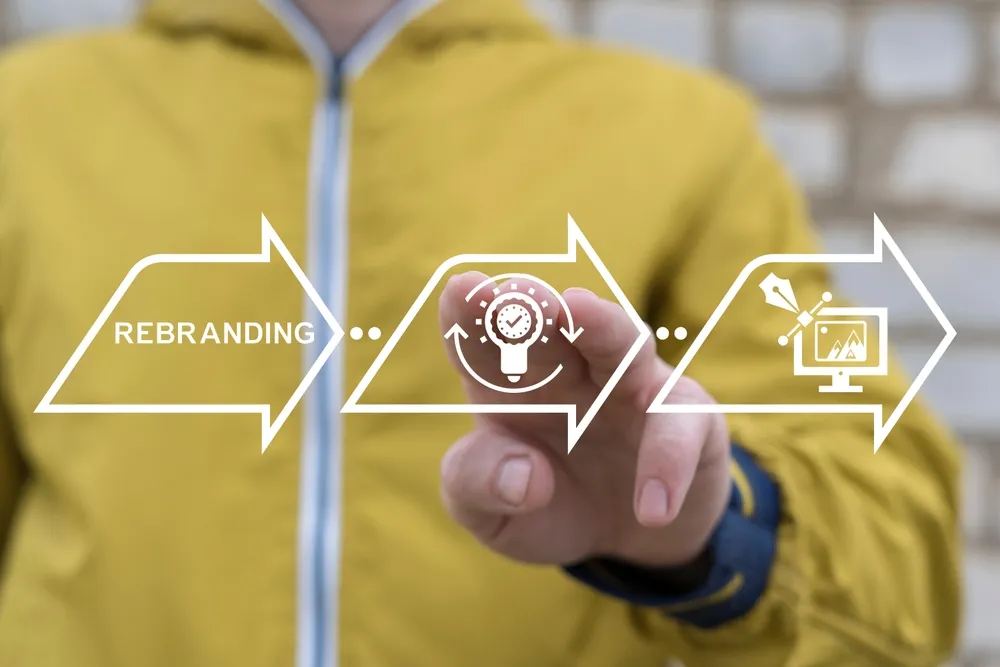
Once your plan is in place, here are the essential steps to rebrand a company from concept to launch.
Conduct a brand audit
Start with a full review of current brand assets, customer feedback, and competitive positioning to understand your brand’s current status.
Define new brand identity and positioning
Clarify your new direction by updating your mission, values, and brand positioning.
Create a visual and messaging system
Design a cohesive identity that includes updated visuals, messaging guidelines, and a refined voice. You can also look at successful rebranding examples.
Test and validate with stakeholders
Share early drafts of your new brand with trusted team members, partners, or customers to gather insights and refine your direction.
Prepare internal and external rollout plan
Create a detailed timeline and checklist for updating brand assets across all platforms—both internally and publicly.
Launch with a marketing campaign
Promote your rebrand with a thoughtful campaign that explains the “why” behind the change. Use video, email, social media, and PR to generate excitement.
Monitor reception and brand performance
Track engagement, sentiment, and performance data after the launch. This helps identify areas that may need further adjustment.
Internal Rollout and Employee Alignment
Your team plays a huge role in bringing the rebrand to life. Before you go public, it’s important to make sure everyone internally is aligned, informed, and energized. When employees are confident in the new brand, they can communicate it clearly and consistently across every touchpoint. Here’s how to prepare your team for the transition:
Team Training and Onboarding
Start by educating your team about the rebrand. Explain the reasons behind the change, what it means for the company, and how it will impact day-to-day operations. Training sessions or onboarding materials can walk employees through the new brand values, tone of voice, and visual identity so everyone is speaking the same language.
Updated Templates and Assets
Make it easy for employees to apply the new brand by providing updated materials. This includes sales decks, email signatures, internal documents, PowerPoint templates, and other communication tools. Consistency is much easier to achieve when the right resources are readily available.
Leadership Communication
Have your leadership team take an active role in sharing the story behind the rebrand. Clear, confident communication from the top helps employees understand the vision and purpose of the shift. When leadership is enthusiastic and transparent, it builds trust and excitement across the organization.
Company-Wide Meetings or Workshops
Hosting a town hall, Q&A session, or interactive workshop allows employees to ask questions, share feedback, and feel involved in the rebranding process. These meetings also provide a chance to reinforce the mission and invite everyone to take ownership of the new brand direction.

External Launch: How to Introduce Your Rebrand
Once your internal team is aligned, it’s time to roll out your new brand to the public. A thoughtful, well-executed external launch can help customers understand the rebrand, get excited about it, and continue engaging with your business. Here’s how to introduce the change with clarity and confidence:
Announce the Rebrand with Context
Don’t just present a new logo. Instead, tell the story behind it as well. Share the motivation, goals, and process behind the rebrand through a public-facing announcement. This could be a blog post, a video from the CEO, or a landing page that outlines what’s new and why it matters.
Update Your Website, Social Media, and Email Designs
Your digital channels should reflect the rebrand right away. That includes your website homepage, navigation design, social media banners, profile photos, email templates, and content styling. A cohesive look across platforms builds credibility and makes the transition feel intentional.
Run a Launch Campaign
Create a dedicated marketing campaign to promote the rebrand. This might include teaser content leading up to the launch, email announcements, video content, or a “behind-the-scenes” look at the rebrand journey. The goal is to generate interest and reinforce the message behind the new identity.
Communicate Across Channels
Make sure your rebrand story reaches your audience wherever they are. Use press releases, blog content, newsletters, and social media posts to reinforce the brand shift and explain the value behind it. Repetition across multiple platforms increases understanding and engagement.
Engage With Your Audience
Invite your audience to be part of the transition. Ask for feedback, respond to comments, and create interactive content like polls or Q&As to keep people involved. When customers feel like they’re part of the journey, they’re more likely to embrace the new brand.
Measuring the Success of Your Rebranding Strategy
A rebrand isn’t complete once the visuals go live. You’ll want to track how the new identity is performing, both internally and externally. Measuring success helps you make informed decisions, reinforce the right changes, and make adjustments if needed.
Brand Awareness and Recognition
Track mentions, search volume, and social media engagement related to your new brand. Monitor how easily people recognize and recall your brand name, messaging, and visuals.
Customer Feedback
Listen to what your customers are saying. Gather insights through surveys, support conversations, and social media comments to understand how they feel about the new identity and messaging.
Website and Engagement Metrics
Compare pre- and post-rebrand metrics like website traffic, bounce rates, time on site, and conversions. Improvements in these areas can signal stronger engagement and clearer messaging.
Employee Feedback and Brand Adoption
Ask employees how they’re adjusting to the new brand. Are they using the updated tools and templates? Do they feel comfortable communicating the brand’s mission and values? Internal alignment plays a big role in the overall success of the rebrand.
Sales or Lead Generation
Keep an eye on the numbers. Are you seeing an increase in leads, inquiries, or closed deals after launching the rebrand? Positive changes here often indicate that the rebrand is resonating with your audience and improving brand trust.

Make Your Rebrand Count
Rebranding is a powerful opportunity to realign your business with who you are today and where you’re headed next. With the right marketing strategy for rebranding, you can connect with your audience in a deeper way, attract new opportunities, and grow with confidence.
If you’re not sure where to start, partner with an expert like LeadOrigin to make the most of your rebranding strategy. LeadOrigin helps brands of all sizes navigate the rebranding process with clarity and purpose. From strategy and audience research to messaging and rollout, our team provides end-to-end support to ensure your rebrand is impactful and sustainable.
We proudly serve clients from our offices in Houston, TX (2100 W Loop S #1400) and Palo Alto, CA (228 Hamilton Ave Suite 325). Ready to explore what a rebrand could do for your business? Contact us to learn more or visit us at any of our locations.