
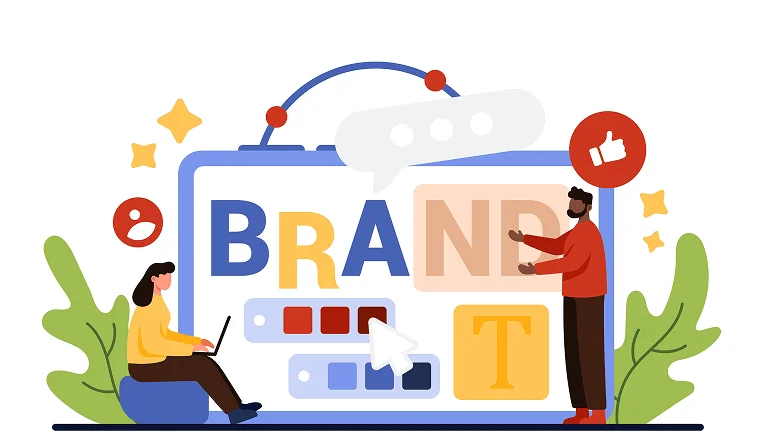
When people think of branding, their mind often jumps to logos, colors, and fonts. But what your brand says (and how it says it) is just as important. That’s where the discussion of visual vs verbal branding comes in.
Your brand’s visuals might catch someone’s eye, but it’s your messaging that keeps them engaged. Both are essential parts of a complete brand identity. In this article, we’ll walk through what each type of branding involves, how they support each other, and how to strengthen both for a unified brand strategy.
What Is Visual Branding?

Visual branding refers to the collection of visual elements that represent your business. These elements are the face of your brand, helping people recognize and remember you. Key visual branding elements include your logo, color palette, typography, photography style, and graphic elements.
Together, these elements form your brand design identity (what your audience sees across your website, social media, product packaging, and advertising). Strong visual branding should be consistent, intentional, and aligned with the emotions you want to evoke in your audience.
What Is Verbal Branding?
Verbal branding is all about what your brand says and how it communicates. This includes your brand voice, tone, messaging, and core story. While visual branding makes a first impression, verbal branding delivers your message and drives connection.
Think of brand messaging as the foundation. It includes your tagline, mission statement, and value propositions. Then comes your brand voice, which gives your communication personality, whether it’s friendly, authoritative, playful, or formal.
Verbal branding appears in your website copy, social media posts, marketing materials, sales presentations, and even how your team speaks with customers.
How Do Visual and Verbal Branding Work Together?

Strong brands are more than just good design or clever words. They bring visuals and messaging together to create a unified experience. This is called visual and verbal synergy. When both forms of branding align, you create an integrated branding experience that feels consistent and intentional.
For example, a tech company with clean, minimal visuals should pair that with sharp, straightforward messaging. On the other hand, a lifestyle brand with bold, colorful designs may use playful or expressive language.
When these two elements don’t align, it can create confusion or make your brand feel inconsistent. Keeping your look and language in sync helps strengthen recognition and build a solid, memorable brand identity.
Want to see an example of strong integrated branding? Visit LeadOrigin to explore how branding can be both visual and verbal across channels.
What Are the Key Differences Between Visual and Verbal Branding?
Understanding the difference between visual and verbal branding can help you identify strengths and gaps in your current strategy.
Purpose and Function
Visual branding focuses on how your brand looks. It creates recognition and appeal through design. Verbal branding, on the other hand, is about what your brand says. It delivers meaning and builds emotional connection through language.
How They’re Experienced
People experience visual branding first—through colors, logos, and layouts. Verbal branding kicks in as they read, listen, or engage with your content. Both should work together seamlessly.
Tools and Elements Used
Visual branding uses design tools: logos, color systems, typography, and layouts. Verbal branding uses messaging frameworks, tone guidelines, and copywriting to ensure voice consistency across channels.
Measurable Impact
Visual branding helps with brand recall and credibility. Verbal branding plays a larger role in conversions, loyalty, and long-term brand perception. This branding comparison shows how both forms contribute in unique, complementary ways.
Why Are Both Forms of Branding Equally Important?
Choosing between visual vs verbal branding isn’t necessary, because they are two halves of a complete brand identity. Relying on one without the other creates gaps. Visuals might draw people in, but strong messaging keeps them there. Likewise, clear messaging without a polished visual identity can feel disjointed or unprofessional.
The importance of brand consistency across both visual and verbal channels is what makes your brand feel trustworthy and familiar. A cohesive brand experience increases recognition, reinforces your values, and encourages loyalty.
How Can You Evaluate the Strength of Your Current Visual and Verbal Branding?
Start with a brand evaluation to see how well your branding holds up. Look at both visuals and messaging with a critical eye.
1. Reviewing Visual Branding Elements
Do your logos, colors, and layouts appear consistently across platforms? Are they modern, appealing, and aligned with your target audience? Look for any signs of inconsistency or outdated designs that may be weakening your brand design identity.
2. Assessing Brand Messaging and Voice
Is your tone consistent in all customer touchpoints? Does your messaging clearly reflect your values and unique value proposition? If not, your brand voice may need refining.
3. Spotting Brand Identity Gaps
Compare your visual and verbal identity side by side. Are they aligned in tone, style, and emotion? Disconnected visuals and messaging are clear indicators of brand identity gaps.
What Are Common Mistakes in Visual and Verbal Branding?
Even strong brands can stumble. Knowing what to avoid is just as important as knowing what to do.
1. Inconsistent Application Across Channels
Your logo might look great on your website but completely different on social media. Or your tone may shift drastically between your emails and Instagram captions. These inconsistencies confuse audiences and dilute your brand.
2. Overcomplicated Messaging or Design
Trying to say too much, or using visuals that are too cluttered, can overwhelm your audience. Simplicity with clarity often wins. Strong branding is focused and intentional, not flashy or verbose for the sake of it.
3. Failing to Reevaluate Over Time
One of the biggest branding mistakes is assuming your brand will stay effective forever. As your audience, products, and market change, so should your branding. Regular updates help keep your brand strategy alignment intact.
How Can You Strengthen Both for a Cohesive Brand Strategy?

Creating a unified and professional image means bringing visual and verbal branding together.
Define Core Brand Guidelines
Develop a document that outlines everything from color codes to tone of voice. This guide ensures every team member and vendor stays aligned and on-brand.
Align Branding with Business Goals
Your branding should support where your business is headed, not just where it started. Regular reviews ensure your identity keeps pace with growth, goals, and evolving audience expectations.
Collaborate Across Teams
Marketing, design, and content teams should work closely to ensure brand strategy alignment. Collaboration leads to stronger campaigns and more integrated branding results.
Invest in Tools and Partners That Understand Branding
Partnering with experts can save time and improve results. Choose agencies or professionals who understand the nuances of both visual and verbal branding, and how they work together.
Build a Brand That Speaks Clearly and Looks the Part
In the debate of visual vs verbal brand identity, the answer isn’t one or the other. Both are essential. A well-rounded brand feels intentional, looks polished, and communicates with clarity across every touchpoint. That’s what today’s customers expect, and what tomorrow’s customers will remember.
If you’re looking to improve your visual and verbal brand identity, work with a team that knows how to bring it all together. LeadOrigin is a Boston digital marketing company specializing in web development services for small and medium-sized businesses across industries. As a trusted leader in web design and development, branding, and marketing, LeadOrigin helps businesses create cohesive, professional brands that connect visually and verbally. Visit LeadOrigin to learn how your business can start improving brand identity today.