

A single press release can shape how your brand appears online—for better or worse. When optimized properly, it builds credibility, earns backlinks, and improves search visibility. But if something goes wrong, it can also push your brand into a digital crisis.
That’s why early detection in SEO press release campaigns is so important. Knowing what to look for and acting fast can mean the difference between controlling your message and losing control of your reputation.
Why Early Detection Matters in SEO Press Release Campaigns
Press releases travel fast online. Once they’re live, they can be shared, indexed, and quoted by other sites within hours. That kind of visibility is powerful, but it’s also risky if not handled correctly.
The High Stakes of Digital Reputation
Your brand’s online reputation is often the first impression people get. A single negative article, outdated release, or missed optimization can damage credibility and push positive stories out of search results.
Monitoring your press releases in real time helps catch these issues early. If you see a drop in rankings or negative content starting to trend, you can respond before it spreads.
Press Release SEO as a Defensive Strategy
Think of press release SEO as both a visibility and protection tool. A search engine optimized press release strengthens your brand’s presence in search results, helping keep accurate, positive stories at the top.
When done consistently, this approach creates a digital “shield” around your brand that makes it harder for misinformation or outdated content to dominate.
What Is an SEO Press Release?
A search engine optimized press release is designed to inform readers while also performing well on Google and other search platforms. It’s a strategic communication that supports both PR and SEO goals.
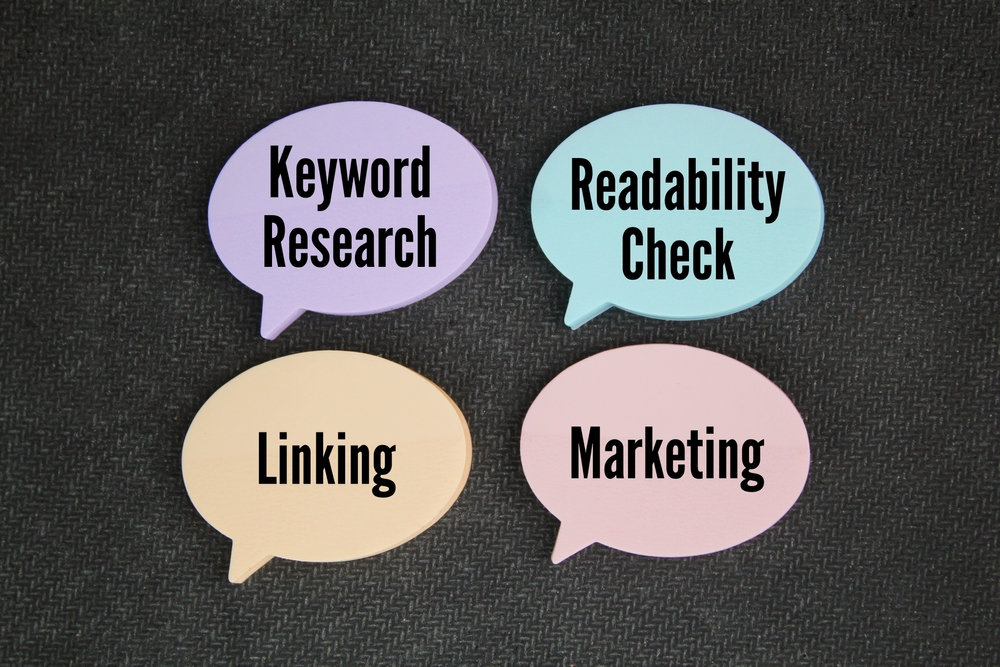
Key SEO Elements of a Press Release
An effective press release for SEO includes:
- Targeted keywords related to your topic or brand
- Optimized headlines and meta descriptions
- High-quality backlinks to your main website or landing pages
- Structured formatting for readability and indexing
These elements help your release rank higher and reach the right audience, not just any audience.
Press Release SEO vs Traditional Distribution
Traditional press release distribution focuses on reach by sending your story to journalists, editors, and news outlets in hopes that they’ll pick it up. It’s effective for creating short-term buzz, but once the initial coverage fades, visibility often drops. Your message might appear on a few news sites, but it can get buried in search results within days.
Press release SEO, on the other hand, takes a more strategic and lasting approach. Instead of relying only on media coverage, it’s designed to perform well on search engines. By optimizing headlines, keywords, links, and structure, your press release continues to attract readers, drive traffic, and build credibility long after it’s published.
Early Warning Signs of a Press Release Crisis
Spotting the first signs of trouble can save your brand from bigger problems later. Here’s what to watch for when monitoring your press releases online.
Sudden Drop in Branded Keyword Rankings
If your company name or branded terms suddenly fall in search results, something may be pushing your content down. This could often be a competitor or an outdated story.
Competitor Press Releases Outranking Yours
When competitors start ranking higher for similar news topics, it’s a sign they’re using stronger SEO strategies or targeting your keywords. Reviewing their tactics can help you adjust your own.
Lack of Indexing or Low Impressions
If your release isn’t showing up in Google Search Console or gaining impressions, it may not have been indexed properly. This can happen due to technical issues, duplicate content, or weak optimization.
Negative News Articles Dominating Search Results
If negative press, old reviews, or unrelated content begin to outrank your releases, your brand narrative may be at risk. This is one of the clearest signs you need to publish new, optimized press releases to reclaim visibility.
How to Build an Early Detection System for Press Release SEO
You can’t prevent what you can’t see. Building an early detection system helps you track how your press releases perform before small issues become full-blown PR problems.
Monitor SERPs in Real Time
Regularly check search engine results for your brand and campaign keywords. Watch for ranking drops, missing results, or sudden changes in snippets or headlines.
Use Alerts and Media Monitoring Tools
Set up Google Alerts, Mention, or Ahrefs alerts for your brand name and press release titles. These tools notify you whenever new content appears online, giving you an early signal of potential reputation shifts.
Run Pre-Publication SEO Checks
Before publishing, use on-page SEO tools to review structure, keyword placement, and meta data. Make sure your release follows best practices for readability and indexing.

SEO Crisis Prevention Best Practices
Avoiding a crisis starts with preparation. The more aligned your SEO and PR efforts are, the better your chances of keeping your brand message in control.
Align PR and SEO Teams
Your PR team understands storytelling; your SEO team understands visibility. Bringing them together ensures that every release performs well across both audiences and algorithms.
Optimize Every Press Release Before Distribution
Make sure every release includes keyword-rich headlines, links to your website, and optimized images. This helps search engines identify your content as authoritative and relevant.
Use Follow-Up SEO Press Releases to Regain Control
If negative press starts circulating, respond with factual updates and new announcements. A steady flow of press releases for SEO helps push positive stories higher in rankings, keeping your message visible and credible.
Real-Life Example: Controlling the Narrative Through SEO
A tech startup once faced negative coverage after a product delay. Instead of reacting defensively, they published a series of optimized press releases focusing on transparency, future updates, and customer support improvements.
Within weeks, the positive coverage began to outrank the old stories, helping the company restore trust and maintain control over its narrative.
Frequently Asked Questions
If you’re new to SEO press releases, it’s normal to have a few questions about how they work and why they matter. Here are some of the most common ones we get from businesses looking to strengthen their online reputation and visibility.
What makes a press release SEO-friendly?
A strong press release and SEO strategy includes keyword optimization, backlinks, proper formatting, and relevant media that enhance discoverability.
How can SEO help during a PR crisis?
SEO helps control what people see first when they search for your brand. Optimized press releases can outrank negative content and promote accurate information.
Do press releases improve search rankings?
Yes, when done correctly. Press releases build backlinks, boost visibility for branded keywords, and enhance overall online authority.

Building a Smarter Press Release SEO Strategy with LeadOrigin
A great press release not just shares your story, but also helps your brand stay visible, credible, and in control of the conversation. When SEO is done right, your content works quietly in the background, protecting your reputation and keeping your message at the top of search results where it belongs.
LeadOrigin can help you with that. We work with small and mid-sized businesses in Houston, Dallas, and Austin, TX, and build digital strategies through SEO, web design, and development to strengthen their presence online. We can do the same for your business.Visit us at 2100 W Loop S #1400, Houston, TX 77027, or reach out to us today to see how we can help your brand stay strong, visible, and ready for whatever comes next.