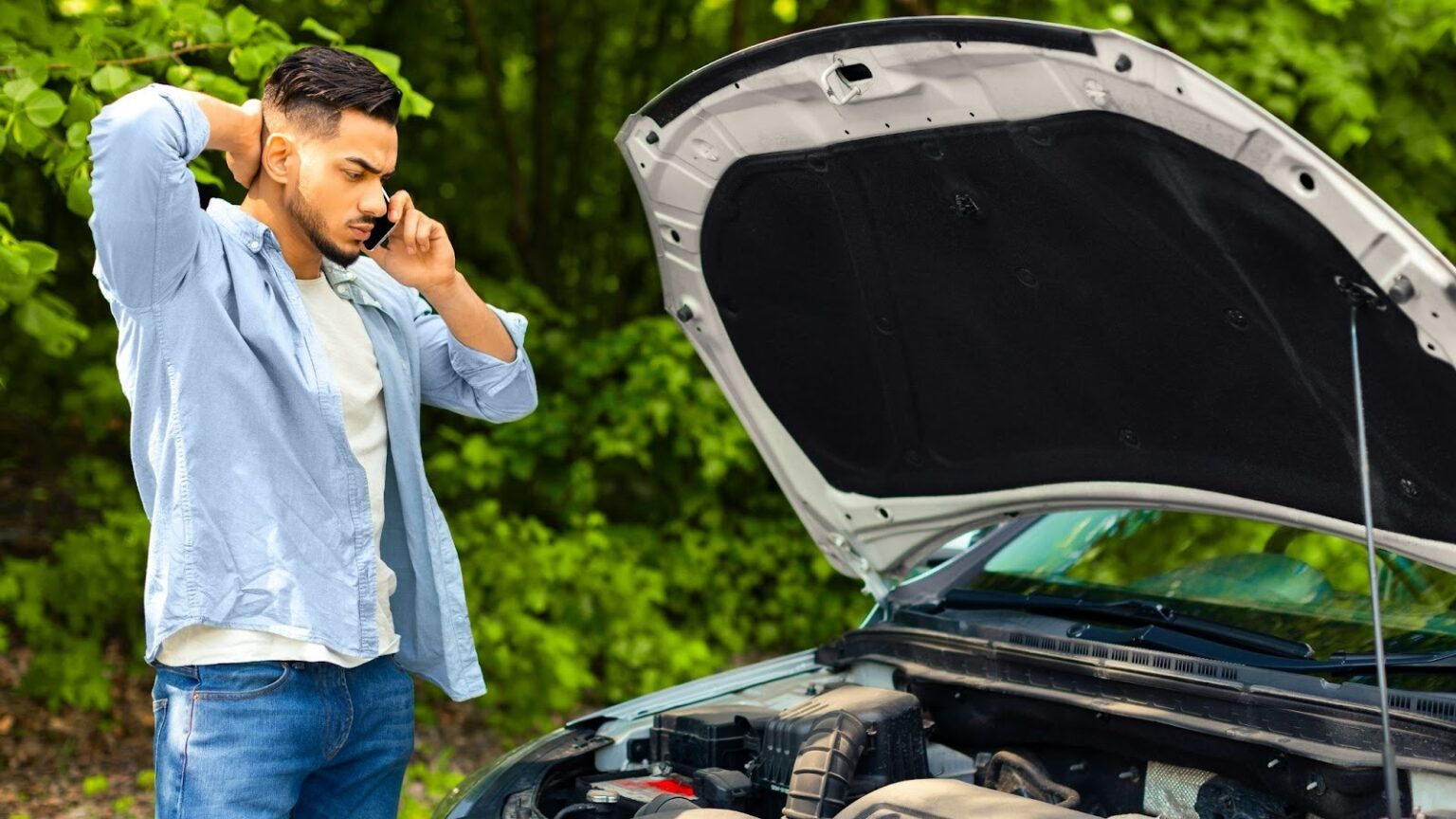
When someone’s car starts acting up, they usually don’t spend much time researching. They search, scan the top results, and call the shop that looks trustworthy and nearby. If your business doesn’t show up clearly in those results, you’re missing customers who are ready to book right now.
That’s why having a clear local SEO checklist matters. It helps auto repair shops show up in the right searches, build trust quickly, and turn online visibility into real appointments. This guide breaks down a practical, efficient local SEO checklist that shop owners can actually use, not just read.
Why Local SEO Matters for Auto Repair Shops
Local SEO connects your shop with drivers actively looking for help in your area.
How “Near Me” Searches Drive High-Intent Customers
“Near me” searches usually signal urgency. A driver searching for brake repair near me or mechanic shop near me often wants service the same day. A targeted local SEO checklist helps your shop appear in these high-intent moments, when customers are closest to making a decision.
The Impact of Google Maps Rankings on Shop Revenue
Google Maps listings often appear before standard search results. Shops that rank in the top three map listings get more calls, direction requests, and walk-ins. Strong map visibility directly influences daily booking volume and overall revenue.
Common Local SEO Mistakes Auto Repair Shops Make
Many shops overlook basics like updating business hours, choosing the wrong categories, or leaving reviews unanswered. Others rely on a website alone and ignore Google Business Profile optimization. These gaps weaken rankings and make it easier for nearby competitors to win local searches.
Google Business Profile Optimization Checklist
Your Google Business Profile is one of the most powerful tools in any checklist for local SEO.
Claiming and Verifying Your Google Business Profile
Verification confirms that your shop is legitimate and gives you control over your listing. Without verification, you cannot fully optimize your profile, respond to reviews, or access insights that help improve performance.
Choosing the Right Primary and Secondary Categories
Your primary category tells Google what your shop does best. Secondary categories add context for additional services. Choosing accurate categories improves relevance and helps your listing appear for the right repair-related searches.
Writing a Keyword-Optimized Business Description
A strong description explains your services, service area, and value clearly. This is not the place for keyword stuffing. Instead, use natural language that reflects how customers actually search and what they want to know.
Adding Services, Products, and Service Areas
Listing services helps Google match your profile to specific repair queries. Service areas tell Google where you operate, which is critical for shops serving multiple neighborhoods or nearby cities.
Uploading High-Quality Photos and Videos
Photos help customers feel comfortable before they call. Images of your shop, technicians, and workspace increase engagement and credibility. Google also favors profiles that are updated regularly with fresh visuals.
Managing Reviews and Responding Strategically
Reviews influence both rankings and trust. Responding to reviews shows that your shop is active and customer-focused. Even short, professional replies can improve how your business is perceived online.
On-Page Local SEO for Auto Repair Websites
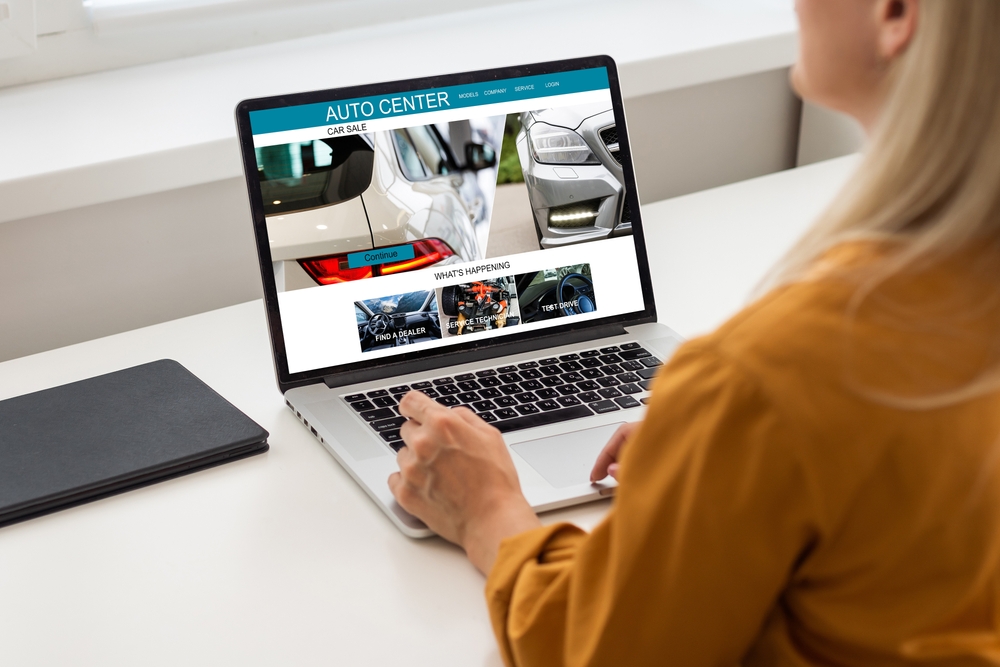
Your website reinforces the authority of your Google listing.
Optimizing Title Tags and Meta Descriptions for Local Keywords
Titles and descriptions should include your service and location naturally. These elements help search engines understand relevance and encourage users to click when they see your site in results.
Creating Location-Based Service Pages
Dedicated pages for specific services and locations make your site more relevant to local searches. This structure is a core element of a unique local SEO checklist for service-based businesses.
Using Keywords Naturally in Website Content
Search engines reward clarity, not repetition. Clear explanations of services, locations, and benefits help both users and search engines understand your offerings.
Improving Page Speed and Mobile Usability
Most local searches happen on mobile devices. A slow or hard-to-navigate site increases bounce rates and reduces conversions, even if rankings are strong.
Implementing Internal Linking Between Service Pages
Internal links guide visitors to related services and help search engines crawl your site efficiently. This strengthens the overall SEO structure.
Local Keyword Research for Auto Repair Shops
Keyword research ensures your efforts target searches that actually convert.
Finding High-Intent Auto Repair Keywords
Focus on keywords that reflect immediate needs, such as repair services combined with location terms. These searches usually lead to calls and bookings.
Targeting City, Neighborhood, and “Near Me” Searches
Including geographic modifiers helps capture customers searching close to your shop. This supports a targeted local SEO checklist designed to attract nearby drivers.
Mapping Keywords to Specific Service Pages
Each service page should focus on a specific group of keywords. This prevents overlap and improves ranking potential across multiple searches.
Local Content Strategy That Attracts Customers
Content builds trust before customers ever pick up the phone.
Creating Blog Content Around Auto Repair Questions
Educational content answers common questions and positions your shop as helpful and knowledgeable. These posts also bring in traffic from informational searches.
Publishing Localized Service and Area Pages
Localized pages help your shop rank across nearby areas and reinforce relevance for local searches.
Using FAQs to Capture Featured Snippets and Voice Search
FAQs align well with voice searches and quick-answer results. Clear, direct answers improve visibility and user experience.
Local Link Building and Citations
Links and citations confirm your business presence across the web.
Building Consistent NAP Across Business Directories
Consistency in name, address, and phone number strengthens trust signals and avoids confusion in search engines.
Earning Local Backlinks from Automotive and Community Sites
Local backlinks from relevant sites signal authority and community involvement.
Leveraging Partnerships with Dealerships and Vendors
Industry relationships often lead to mentions and links that support both SEO and referral traffic.

Review Management and Online Reputation
Reputation management plays a direct role in local success.
How Reviews Influence Local Rankings and Trust
Frequent, positive reviews improve visibility and help customers choose your shop over competitors.
Generating More Google Reviews Ethically
Asking at the right time, such as after successful service, increases review volume naturally.
Handling Negative Reviews the Right Way
Professional responses protect your brand image and show accountability.
Technical Local SEO Essentials
Technical health supports all other SEO efforts.
Implementing Local Business Schema Markup
Schema helps search engines understand your business details and improves search presentation.
Fixing Crawl Errors and Indexing Issues
Technical errors can block pages from appearing in search results, even if content is strong.
Ensuring Website Security HTTPS
Secure websites build trust and meet modern search engine requirements.
Tracking and Measuring Local SEO Success
Tracking shows what is working and what needs adjustment.
Monitoring Google Maps Rankings
Rank tracking helps measure visibility improvements over time.
Tracking Calls, Directions, and Form Submissions
These actions show real customer interest and business impact.
Using Google Analytics and Search Console Effectively
Analytics tools reveal which pages and keywords drive engagement and conversions.

Turning Local SEO Into a Long-Term Advantage
Local SEO works best when treated as an ongoing system, not a one-time fix. A well-maintained local SEO audit checklist, paired with regular audits and updates, helps auto repair shops stay visible, competitive, and easy to find when customers need help most.
LeadOrigin helps businesses build digital foundations that support long-term growth. As an industry leader in SEO and web design and development, LeadOrigin works with small to mid-sized businesses across industries, serving Austin, Dallas, and Houston, TX. With offices at 2100 W Loop S #1400, Houston, TX 77027 and 228 Hamilton Ave Suite 325, Palo Alto, CA 94301, the team focuses on websites and SEO strategies designed to convert visibility into real business results.
If you’re ready to strengthen your local presence, attract more high-intent customers, and stop leaving local searches to chance, connect with LeadOrigin today. A smarter local SEO strategy starts with the right foundation, and we’re here to help you build it.