
Contractors who rely on low-quality leads waste time, budget, and labor capacity. Google Ads for contractors helps construction businesses reach property owners, developers, and commercial decision-makers who are actively searching for services with real project intent.
This guide explains how contractor Google Ads campaigns can attract larger jobs, improve construction lead generation, and help contractors compete for profitable residential and commercial work. You will also learn how landing pages, geo-targeting, keyword selection, and tracking impact lead quality and long-term ROI.
Why Google Ads for Contractors Works for High-Intent Leads
Google Ads Targets People Actively Searching for Services
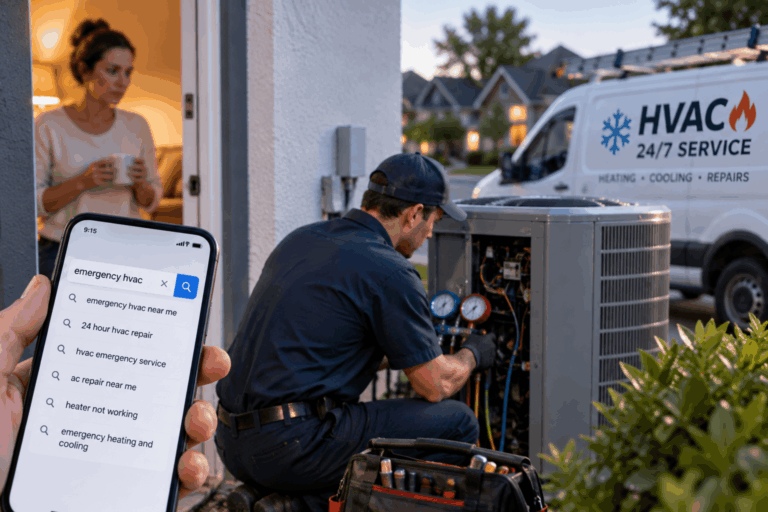
Google Ads for construction companies works because ads appear when users search for services with immediate buying intent. Contractors can target searches like “commercial roofing contractor near me” or “warehouse concrete installation contractor” to reach motivated prospects.
Contractor Google Ads Can Capture Urgent Project Demand
Many construction projects begin with urgent searches for quotes, inspections, repairs, or bid requests. Strong contractor Google Ads campaigns position contractors in front of decision-makers at the exact moment demand appears.
Paid Search Helps Contractors Compete in Competitive Markets
Paid search allows smaller contractors to compete against larger firms in crowded local markets. Strategic paid advertising for contractors creates visibility in high-value ZIP codes and commercial service areas without waiting for long-term SEO growth.
What Counts as a High-Value Project for Contractors?
Larger Residential Projects
High-value residential work includes additions, luxury remodels, custom homes, and full exterior renovations. These projects usually produce larger contracts and stronger profit margins than small repair jobs.
Commercial Construction Projects
Commercial office buildouts, retail construction, industrial improvements, and tenant improvement projects generate valuable recurring opportunities. Many contractors prioritize commercial contractor leads because commercial clients often require ongoing work.
Specialty or High-Margin Services
Specialized services like structural concrete, roofing systems, HVAC replacements, and commercial electrical upgrades typically generate higher revenue per project. Contractors should focus ad spend on services with strong margins and proven profitability.
Repeat or Long-Term Client Opportunities
Property managers, developers, facility operators, and franchise owners often become recurring customers. Contractors that secure long-term partnerships reduce lead acquisition costs over time.
How to Build a Contractor Google Ads Strategy Around Project Value
Define the Minimum Project Size Before Running Ads
Contractors should define a minimum project value before launching campaigns. This prevents ad budgets from being consumed by low-revenue inquiries and poor-fit prospects.
Focus Campaigns on Revenue-Driving Services
High-performing campaigns prioritize services with the strongest ROI potential. Contractors should avoid spending equally across low-profit and high-profit service categories.
Separate Campaigns by Service Type
Separate campaigns improve targeting accuracy and reporting clarity. Dedicated campaigns also allow contractors to customize budgets, landing pages, and messaging for each service.
Match Ad Budget to Service Value
Higher-ticket services usually require larger CPC budgets because competition is stronger. Contractors targeting commercial roofing or industrial construction should expect higher acquisition costs than general handyman searches.
Best Google Ads Campaign Types for Contractors
Search Ads for High-Intent Contractor Leads
Search campaigns remain the most effective format for generating high-value contractor leads. These ads target users actively searching for services and typically produce stronger conversion intent.
Local Services Ads for Trust-Based Contractor Leads
Local Services Ads increase visibility for verified contractors in local search results. Google-backed verification badges improve credibility and help contractors earn more calls from qualified prospects.
Performance Max for Broader Visibility
Performance Max campaigns expand reach across Google Search, YouTube, Gmail, Maps, and Display placements. Contractors can use this campaign type to increase brand visibility across multiple channels.
Remarketing Ads for Longer Sales Cycles
Construction sales cycles are often longer than standard consumer purchases. Remarketing campaigns keep contractors visible while prospects compare bids and review proposals.
How to Choose the Right Keywords for Contractor PPC Campaigns
Use High-Intent Service Keywords
High-intent keywords indicate strong purchase readiness from potential clients. Terms like “commercial concrete contractor,” “roof replacement estimate,” and “office renovation contractor” typically outperform informational searches.
Target Project-Specific Keywords
Project-focused keywords help attract larger opportunities instead of general traffic. Contractors should include searches tied to project scale, building type, or construction scope.
Include Location-Based Contractor Keywords
Location targeting improves relevance and conversion quality. Contractors should include city names, counties, metro regions, and service-area modifiers in keyword targeting.
Avoid Broad Keywords That Attract Low-Quality Clicks
Broad searches often attract users with weak purchase intent or unrealistic budgets. Generic phrases like “construction ideas” or “cheap contractor” usually produce poor lead quality.
Use Negative Keywords to Filter Poor-Fit Leads
Negative keywords stop ads from appearing for irrelevant searches. Contractors can exclude phrases like “DIY,” “jobs,” “salary,” “training,” or “free” to reduce wasted spend.
How Contractors Can Write Ads That Attract High-Value Projects
Mention the Type of Projects You Want
Ad copy should clearly identify the type of projects the contractor specializes in. Specific messaging helps filter out low-budget leads before they click the ad.
Qualify Leads Directly in the Ad Copy
Contractors can improve lead quality by mentioning project minimums, commercial expertise, or specialty certifications. This strategy reduces unqualified inquiries and improves conversion efficiency.
Highlight Trust Signals
Trust indicators improve click-through rates and conversion confidence. Contractors should mention licensing, years in business, certifications, warranties, and completed project volume.
Use Strong Calls to Action
Direct CTAs increase engagement and lead generation performance. Phrases like “Request a Commercial Bid” or “Schedule a Project Consultation” encourage stronger conversion intent.
Landing Pages Matter More Than the Ad Click
Send Traffic to Service-Specific Landing Pages
Dedicated landing pages improve conversion rates because they match user intent more accurately. Contractors should avoid sending paid traffic to generic homepage content.
Build Landing Pages Around High-Value Services
High-revenue services deserve dedicated landing pages with tailored messaging and project examples. Strong landing pages increase trust and improve lead qualification rates.
Include Project Qualification Questions on Forms
Lead forms should collect details about project size, timeline, and budget expectations. Qualification questions help contractors prioritize serious opportunities faster.
Use Portfolio Images to Build Confidence
Project galleries help validate expertise and workmanship quality. Visual proof increases trust for large projects where buyers carefully compare contractors.
How to Use Geo-Targeting to Reach Better Contractor Leads
Target Service Areas with Higher Project Potential
Geo-targeting helps contractors focus budgets on neighborhoods and commercial districts with larger project opportunities. Higher-income residential areas and expanding business corridors often produce better lead quality.
Exclude Areas That Produce Low-Quality Leads
Poor-performing areas should be excluded from campaigns to improve efficiency. Geographic exclusions help reduce wasted clicks from low-converting regions.
Adjust Bids Based on Location Performance
Google Ads allows contractors to increase bids in profitable service areas. Performance-based bid adjustments improve ROI by prioritizing locations with stronger conversion value.
How to Track Google Ads Results for Construction Lead Generation
Track Calls, Forms, and Quote Requests
Accurate conversion tracking is essential for measuring campaign performance. Contractors should track phone calls, form submissions, consultation bookings, and estimate requests.
Track Lead Quality, Not Just Lead Volume
Lead quantity alone does not measure campaign success. Contractors should prioritize project value, close rate, and profitability when evaluating results.
Use CRM or Lead Notes to Measure Project Value
CRM systems help contractors identify which campaigns produce the most profitable projects. Sales notes and pipeline tracking also improve long-term marketing decisions.
Review Cost Per Qualified Lead
Cost per qualified lead is more important than raw CPC data. Contractors should evaluate which campaigns consistently generate profitable opportunities.
Mid-sized and enterprise contractors often work with marketing platforms like LeadOrigin to improve PPC tracking, landing page optimization, and lead qualification systems. Strong reporting infrastructure helps contractors scale campaigns without sacrificing lead quality.
Common Google Ads Mistakes Contractors Should Avoid
Sending All Traffic to the Homepage
Homepage traffic usually converts poorly because it lacks focused messaging. Service-specific landing pages create a better user experience and stronger conversion rates.
Targeting Too Many Services in One Campaign
Overloaded campaigns create weak ad relevance and confusing reporting. Contractors should organize campaigns around tightly grouped service categories.
Using Broad Match Without Strong Negative Keywords
Broad match targeting can quickly waste advertising budgets without proper exclusions. Negative keyword management keeps campaigns focused on qualified searches.
Focusing Only on Cheap Leads
Low-cost leads are not always profitable leads. Contractors should focus on project value and close rate instead of chasing the cheapest conversions.
Not Tracking Phone Calls Properly
Many contractor leads convert through phone calls instead of forms. Call tracking software helps contractors identify which campaigns generate valuable inquiries.
How Much Should Contractors Spend on Google Ads?
Budget Depends on Service Type and Competition
Google Ads budgets vary based on market competition and service category. Commercial roofing, HVAC, and industrial construction usually require larger monthly budgets.
High-Value Services May Require a Higher Budget
High-ticket projects often involve higher CPC rates because competitors aggressively target those searches. Larger budgets can still produce strong ROI when project values are substantial.
Start with a Focused Campaign Before Scaling
Contractors should begin with a narrow campaign targeting one profitable service area. Focused testing improves data quality before larger scaling decisions are made.
| Service Type | Typical CPC Range | Lead Value Potential |
| Residential Remodeling | Moderate | Medium to High |
| Commercial Roofing | High | High |
| Industrial Construction | High | Very High |
| HVAC Replacement | Moderate to High | High |
| General Handyman Services | Low | Low to Medium |
How SEO and Google Ads Work Together for Contractors
Google Ads Can Generate Leads While SEO Builds Long-Term Visibility
SEO takes time to develop authority and rankings. Google Ads for contractors creates immediate visibility while long-term organic traffic grows.
Use Google Ads Data to Improve SEO Strategy
Paid search data reveals which keywords generate conversions and profitable leads. Contractors can use this information to guide SEO content development and service page optimization.
Retarget SEO Visitors with Paid Ads
Many website visitors leave without converting on the first visit. Retargeting ads help contractors stay visible while prospects continue researching vendors.
Google Ads Should Focus on Better Projects, Not Just More Leads
The most effective contractor PPC campaigns prioritize profitability instead of lead volume alone. Contractors that focus on qualified opportunities, strategic targeting, optimized landing pages, and conversion tracking consistently generate better ROI from paid advertising for contractors.
Strong construction lead generation depends on attracting the right projects instead of every possible click. Contractors that align campaign structure, keyword targeting, and landing page messaging with project value are more likely to secure profitable residential and commercial contractor leads.
Businesses looking to improve Google Ads for construction companies can benefit from experienced digital marketing support and conversion-focused strategy development. Companies like LeadOrigin help contractors improve targeting, landing page performance, and scalable lead generation systems for long-term growth. Contact us today!
Frequently Asked Questions About Google Ads for Contractors
Are Google Ads worth it for contractors?
Yes, Google Ads for contractors can generate qualified leads quickly when campaigns target high-intent searches and profitable services. Contractors that optimize landing pages and track lead quality usually achieve stronger ROI.
What is the best type of Google Ads campaign for contractors?
Search campaigns are typically the best option because they target users actively searching for contractor services. Local Services Ads also work well for trust-focused local lead generation.
How can contractors get better leads from Google Ads?
Contractors can improve lead quality by targeting high-intent keywords, using service-specific landing pages, and adding qualification filters in forms and ad copy. Geo-targeting and negative keywords also help reduce poor-fit leads.
What keywords should contractors use in Google Ads?
Contractors should target service-specific and location-based keywords with strong commercial intent. Keywords tied to project type, service category, and city location usually perform best.
How much should contractors spend on Google Ads?
Budgets depend on competition, location, and service value. Many contractors start with focused campaigns between $1,500 and $5,000 monthly before scaling into broader markets.
Why do contractor Google Ads campaigns fail?
Most campaigns fail because of weak landing pages, poor keyword targeting, missing conversion tracking, or broad targeting strategies. Campaigns without lead qualification systems also produce low-quality results.
Should contractors use landing pages for Google Ads?
Yes, dedicated landing pages improve conversion rates by matching user intent more accurately. Contractors should create landing pages for each major service category and project type.
Can Google Ads help contractors get commercial projects?
Yes, Google Ads can generate valuable commercial opportunities through targeted keyword strategies and geo-specific campaigns. Contractors targeting commercial searches often attract larger project budgets and long-term client relationships.