

Booking a plastic surgery procedure is not an impulse decision. Patients take weeks, sometimes months, reading reviews, watching before-and-after videos, and comparing surgeons before they ever fill out a contact form. Understanding why plastic surgery patients research before booking is the key to building a digital presence that earns their trust long before they pick up the phone.
The Stakes Are Personal and Permanent
It Is Not Like Booking a Haircut
Aesthetic procedures carry physical, emotional, and financial weight. A patient considering a rhinoplasty or breast augmentation is making a decision that affects how they look and feel for the rest of their life. The perceived risk is high, and high-risk decisions trigger extended research behavior. That is basic consumer psychology, and it applies to plastic surgery more than almost any other elective service.
Patients are not being difficult or indecisive when they take a long time. They are being rational. The job of your marketing strategy is to show up, stay visible, and build credibility throughout the entire research window, not just when they are ready to book.
The Financial Commitment Adds Pressure
Most cosmetic procedures are not covered by insurance. Patients are spending their own money, often thousands of dollars, on a single appointment. That financial reality means they are evaluating value, not just price. They want to see credentials, results, patient stories, and clear information about what they are paying for. A practice that does not surface this information during the research phase loses the patient before a conversation ever starts.

Where Plastic Surgery Patients Do Their Research
Search Engines Come First
When a potential patient starts researching, they go to Google. They search for procedure names, surgeon names, cost estimates, recovery timelines, and local options. Your search engine optimization strategy needs to cover all of these entry points, not just your homepage. Informational content like procedure guides, FAQ pages, and cost breakdown posts captures patients at the earliest stage of awareness, when they are still deciding whether to pursue treatment at all.
Getting found at this stage matters. Patients who discover your practice during early research are far more likely to return when they are ready to book than patients who find you only through a generic ad at the end of their journey.
Reviews and Reputation Drive the Shortlist
Once a patient has identified potential surgeons, reviews become the deciding factor in who makes the shortlist. Google reviews, RealSelf ratings, and testimonials on your own website all factor in. Patients read reviews not just for star ratings but for narrative detail: Did the surgeon listen? Was the staff professional? Did the result match the expectation?
A weak review profile or an outdated response pattern signals risk to a cautious patient.Review management is not a nice-to-have for plastic surgery practices; it is a core conversion tool. Practices that actively request, respond to, and showcase patient reviews shorten the decision window because they remove doubt faster.
Before-and-After Content Is Non-Negotiable
No content type builds trust in aesthetic medicine faster than before-and-after photography. Patients use it to visualize outcomes for their own body type, skin tone, or facial structure. A surgeon with a rich, organized gallery that covers diverse patient profiles tells a more persuasive story than a surgeon with a handful of generic images.
This content also fuels your social media performance. Before-and-after content shared on Instagram and TikTok reaches patients who are not actively searching yet but are moving toward curiosity. That top-of-funnel exposure builds brand familiarity, and familiarity reduces resistance when the patient finally reaches the decision stage.
How Long Is the Plastic Surgery Research Cycle?
Weeks to Months, Not Days
Industry data consistently show that elective medical and cosmetic procedures have among the longest consumer decision-making timelines of any service category. A patient researching a mommy makeover may start casually exploring the idea in January and not book a consultation until April. During those months, they consume content, compare providers, and form opinions about whom they trust.
This extended timeline has direct implications for your marketing spend. Paid advertising campaigns that target only bottom-funnel intent miss the majority of patients who are still in the consideration phase. A full-funnel strategy captures interest early and nurtures it through retargeting, email sequences, and consistent content output.
Consultations Are Research, Too
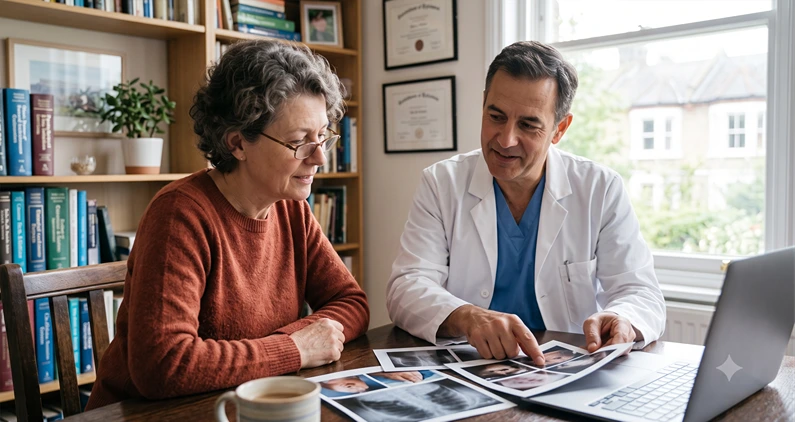
Many patients book a consultation not because they are ready to commit but because they want to ask questions in person. The consultation is a late-stage research activity, not a pre-surgical formality. Practices that treat every consultation as a guaranteed booking miss the real work happening in that room: the patient is still evaluating whether this surgeon is right for them.
Your intake process, consultation experience, and follow-up sequence all serve as marketing touchpoints. They can close the loop on remaining hesitations or let the patient drift to a competitor who followed up faster.
What Plastic Surgery Practices Can Do to Win the Research Phase
Build Content That Matches the Research Journey
Most plastic surgery websites are built for patients who are ready to book. The homepage has a phone number, a gallery, and a “schedule a consultation” button. That is fine for ready buyers. But it does nothing for the patient who is three weeks into research and still not sure which procedure is right for them.
Content writing that maps to each stage of the decision cycle, from awareness through consideration to decision, keeps your practice visible and useful throughout. Procedure comparison articles, recovery guides, cost FAQs, and surgeon bio content all serve patients who are not yet ready to convert but who will remember your practice when they are.
Invest in Local SEO for Every Relevant Procedure
A patient searching “breast augmentation surgeon Houston” is in a very different place than one searching “what is breast augmentation recovery like.” Both searches represent opportunities. Local SEO optimization ensures your practice appears in the map pack and organic results for procedure-specific local queries, the searches that signal the highest commercial intent.
This includes optimizing your Google Business Profile with complete service listings, up-to-date photos, and a consistent review-response strategy. Patients who find your GBP during research and see an active, professional presence are far more likely to add you to their shortlist.
Use Retargeting to Stay in Front of Researchers
A patient who visits your rhinoplasty page once and leaves without converting is not a lost lead. They are a warm prospect in the middle of their research cycle. Retargeting campaigns through paid social ads and Google Display bring your practice back in front of those visitors as they continue researching elsewhere. Consistent visibility signals stability and authority, both of which matter to a patient weighing a significant personal decision.
Retargeting works especially well for plastic surgery because the research cycle is long enough that a patient will encounter your ads multiple times before they are ready to act. Each impression reinforces familiarity. Familiarity builds trust. Trust converts. LeadOrigin has helped practices across Texas build full-funnel strategies that generate measurable revenue gains by meeting patients at every stage of that journey.
Frequently Asked Questions
Why do plastic surgery patients take so long to decide?
The combination of physical permanence, high cost, and emotional significance makes plastic surgery one of the highest-stakes personal decisions a consumer can make. Patients take longer because the consequences of a poor choice are significant and lasting. Extended research is a natural response to elevated perceived risk, not indecision.
What content helps plastic surgery practices rank during the research phase?
Procedure guides, recovery timeline articles, cost FAQs, before-and-after galleries, and surgeon credential pages all target patients at different points in their research journey. Informational content that answers common questions builds organic visibility and positions your practice as an authoritative resource before patients are ready to book.
How important are online reviews for plastic surgery practices?
Reviews are critical. They serve as social proof for a decision patients cannot easily undo. A strong, detailed review profile across Google, RealSelf, and your own website reduces friction and builds the trust patients need before committing to a consultation, let alone a procedure.
Should plastic surgery practices run ads targeting early-stage researchers?
Yes. A full-funnel approach that includes awareness-stage content and retargeting captures patients earlier in the decision cycle and keeps your practice visible as they move toward booking. Targeting only bottom-funnel keywords means competing for a smaller pool of patients who are already comparing final options.
How can plastic surgery practices improve consultation-to-booking conversion?
Improve the follow-up process immediately after the consultation. A prompt, personalized email that addresses the patient’s specific questions, reinforces your credentials, and includes patient testimonials converts hesitant patients more effectively than a generic reminder. Treat every post-consultation touchpoint as a continuation of the trust-building process.
How to Win Patients Who Research Before Booking
Plastic surgery patients are among the most research-intensive consumers in any industry. Meeting them where they are, with the right content, visibility, and follow-up, is what separates practices that consistently fill their schedules from those that rely on luck. Talk to the LeadOrigin team to build a full-funnel strategy that earns patient trust at every stage of the decision journey.