
Patients who walk into a consultation already understanding the procedure are easier to convert, faster to decide, and more satisfied with their results. Procedure education is not just a content strategy; it is a patient-confidence strategy, and practices that invest in it see a difference in their booking rates. Building a library of educational content focused on procedural education and consultation confidence gives your practice a measurable edge long before the patient ever calls.
Why Patient Education Matters Before the Consultation
The Uninformed Patient Is a Hesitant Patient
Fear drives cancellations and no-shows. When a patient does not understand what a procedure involves, what recovery looks like, or what realistic results are, their imagination fills in the gaps, usually with worst-case scenarios. Educational content that explains procedures clearly, honestly, and in plain language reduces the anxiety gap between curiosity and commitment.
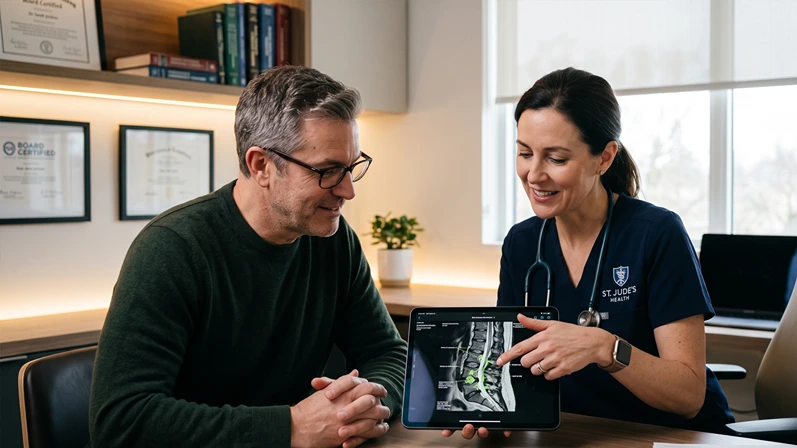
A patient who has read your rhinoplasty guide, watched your recovery timeline video, and reviewed your FAQ page arrives at the consultation with specific questions rather than general fears. That shift transforms the consultation from a sales conversation into a collaborative planning session. It is a better experience for the patient and a more efficient use of your surgeon’s time.
Informed Patients Ask Better Questions
When patients arrive educated, the consultation dynamic changes entirely. Instead of spending the first twenty minutes covering basics, your team can move quickly into personalized recommendations, candidacy assessment, and scheduling. That efficiency matters at scale. Practices running ten or more consultations per week lose significant revenue to consultations that do not convert simply because the patient was not ready.
Content writing that addresses the most common pre-consultation questions, what the procedure involves, what candidacy looks like, what the recovery timeline is, and what realistic outcomes are compresses the education phase so the consultation can focus on closing.
What Procedure Education Content Looks Like
Procedure Guides and Landing Pages
Every procedure your practice offers should have a dedicated page that answers the full range of patient questions. This is not a brochure. It is a comprehensive resource that covers candidacy, technique options, recovery stages, risk considerations, and expected outcomes. Patients use these pages to self-qualify before they book, which means you are attracting more prepared leads.
These pages also power your search engine optimization performance. Procedure-specific landing pages rank for the long-tail queries patients type during research: “how long is recovery after a tummy tuck,” “am I a good candidate for rhinoplasty,” “what to expect after breast augmentation surgery.” Each of those queries is a real patient in the research phase, and a comprehensive procedure page captures them.
Video Walkthroughs and Surgeon Explainers
Text content answers questions. Video content builds emotional trust. A short surgeon-led walkthrough that explains a procedure in plain, reassuring language does more to reduce consultation anxiety than any brochure. Patients who feel they know the surgeon before the appointment have lower resistance and higher conversion rates.
These videos also extend your reach on social media. Educational clips posted to Instagram Reels, YouTube, and TikTok reach prospective patients who are not actively searching but are in the early stages of curiosity. That passive exposure builds familiarity, and familiarity makes the step to booking feel smaller.
Cost and Financing Transparency
One of the most common reasons patients do not book after a consultation is sticker shock. If the first time a patient hears the price is in the consultation room, you have already lost control of the moment. Educational content that addresses cost ranges, financing options, and what is included in your procedure fee removes a major friction point before the patient arrives.
Practices that publish honest cost guidance, not exact quotes, but realistic ranges, earn patient trust faster than those that gate all pricing information. It signals transparency, which is exactly what a patient about to make a high-stakes personal decision needs to feel.
How Procedure Education Supports the Full Marketing Funnel
Top of Funnel: Awareness Content
Blog posts, videos, and social content that introduce procedure concepts capture patients who are just beginning to explore. Topics like “What is the difference between a breast lift and breast augmentation” or “Is a rhinoplasty right for me” reach patients before they have even decided to seek a consultation. This content builds your brand as the authoritative, trustworthy resource in your market.
Local SEO amplifies this content in your geographic area, so when a patient in your city starts researching a procedure, your practice appears first with the most helpful answers.
Middle of Funnel: Consideration Content
Once a patient knows which procedure they want, they move on to evaluating providers. This is where surgeon credential content, patient testimonials, before-and-after galleries, and detailed FAQ pages do the most work. Patients at this stage are comparing practices, and the practice with the most comprehensive, reassuring educational presence consistently wins more of these comparisons.

Bottom of Funnel: Conversion Content
The final stage before booking is the decision to reach out. Clear calls to action, easy consultation booking forms, and follow-up email sequences that reinforce what the patient has already learned push hesitant patients over the line. Paid advertising retargeting campaigns that serve procedure-specific ads to patients who have already visited your educational pages are particularly effective at this stage.
Building Your Procedure Education Content Strategy
Audit What You Already Have
Most plastic surgery websites have procedure pages, but most of those pages are thin: a paragraph of description and a contact button. Auditing your existing content against what patients actually need to feel confident reveals the gaps your competitors may not have filled yet. That gap is your opportunity.
Prioritize Your Highest-Volume Procedures
Start with the procedures that generate the most consultation requests. Develop comprehensive guides, FAQ sections, video content, and cost transparency pages for each. Once those are in place, work down the list. The compounding effect of thorough educational content on both patient confidence and search engine optimization performance grows over time.
Update Content Regularly
Procedure techniques evolve. Recovery protocols improve. Pricing changes. Educational content that was accurate two years ago may now be creating friction rather than reducing it. Build a content calendar that includes quarterly reviews of your highest-traffic procedure pages to keep information current and trustworthy.
Frequently Asked Questions for Procedure Education and Consultation Confidence
How does procedure education content improve consultation conversion rates?
Educated patients arrive at consultations with specific questions rather than general fears, which makes the conversation more efficient and more likely to result in a booking. When a patient already understands the procedure, candidacy requirements, recovery timeline, and cost range, the consultation becomes a planning session rather than a sales pitch. That shift improves both conversion rates and patient satisfaction.
What types of procedure education content are most effective?
Comprehensive procedure landing pages, surgeon-led video explainers, cost and financing guides, and detailed FAQ sections are the highest-impact formats. Each format serves a different patient need: landing pages answer research questions, videos build emotional trust, cost guides remove financial friction, and FAQs address specific concerns. A complete education strategy uses all four.
Should plastic surgery practices publish pricing information online?
Publishing realistic cost ranges, not exact quotes, builds transparency and reduces sticker shock during consultations. Patients who arrive already aware of the general cost range are less likely to disengage when pricing comes up. Exact quotes still belong in the consultation, but general ranges signal honesty and help patients self-qualify before booking.
How does procedure education content help with SEO?
Comprehensive educational content ranks for the long-tail queries patients type during their research phase, driving organic traffic from people who are actively considering a procedure. Queries like “rhinoplasty recovery timeline” or “breast augmentation candidacy” represent real patients in the consideration stage. Procedure pages that answer these questions thoroughly capture that traffic and convert it into consultation requests.
How often should plastic surgery practices update their educational content?
At a minimum, review high-traffic procedure pages quarterly and update whenever techniques, protocols, pricing, or regulations change. Outdated information erodes trust and can create friction during the consultation when a patient’s expectations do not align with reality. Regular updates also signal to search engines that your content is current and authoritative, which supports rankings.
Turn Patient Education Into a Consultation Pipeline
Procedure education and consultation confidence are directly connected: the more a patient understands before they arrive, the more likely they are to book. A strategic content library built around your key procedures is one of the highest-return investments a plastic surgery practice can make in its digital presence. Talk to the LeadOrigin team to build an education-driven content strategy that fills your consultation calendar.