Chemical peels are one of the most effective ways to improve skin tone, texture, and overall complexion without surgery. A professionally performed chemical peel treatment can help address concerns like acne, fine lines, uneven pigmentation, and sun damage by encouraging the skin to renew itself.
But are all chemical peels the same?
Not exactly. Different types of chemical peels target different skin concerns and require different recovery times. This guide explains how professional chemical peels work, their benefits, what to expect during treatment and recovery, and how to determine which option is right for your skin.
What Are Chemical Peels?
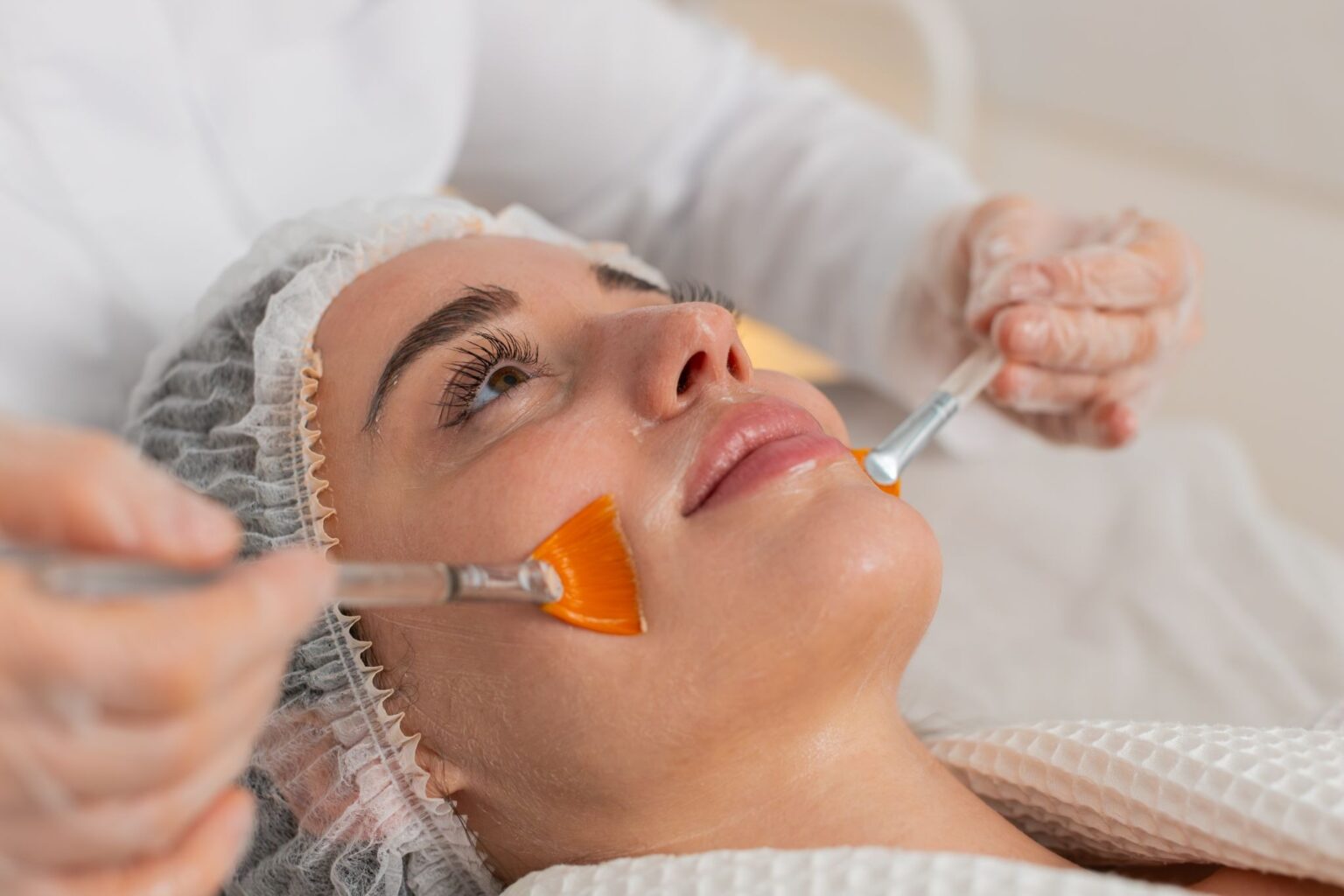
A chemical peel is a skin resurfacing treatment that uses a carefully formulated chemical solution to remove damaged outer layers of skin.
As the treated skin exfoliates and heals, healthier skin gradually replaces it. This process helps improve texture, even out skin tone, and reduce the appearance of many common skin concerns.
How Chemical Peels Work
A chemical peel treatment works by applying a controlled chemical solution to the skin.
The solution gently breaks down damaged skin cells, allowing them to peel away over several days. This stimulates the body’s natural skin renewal process while encouraging fresh cell turnover and collagen production.
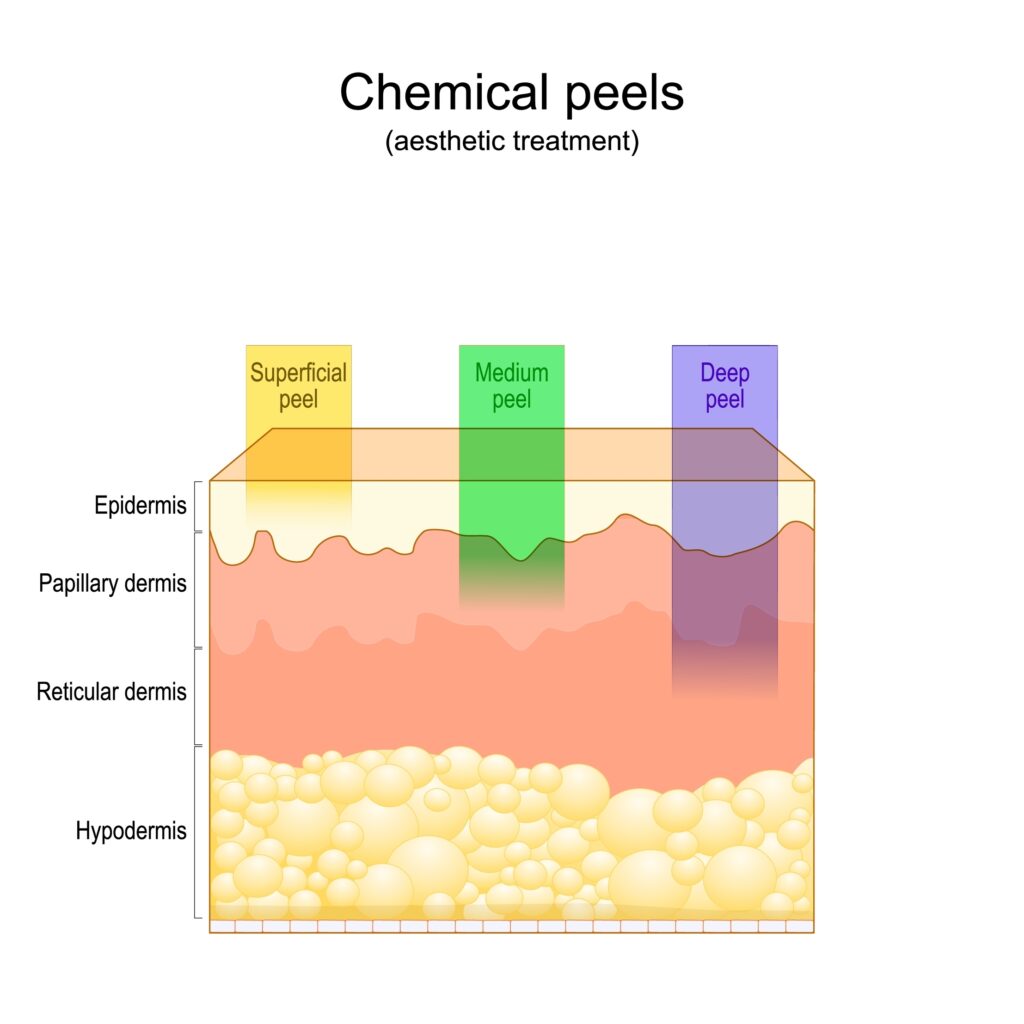
The depth of the peel depends on the type of acid used, its concentration, and the specific concerns being treated.
Why Professional Chemical Peels Are More Effective Than At-Home Products
Many over-the-counter products advertise “chemical peels,” but they contain much lower concentrations of active ingredients than treatments performed by qualified professionals.
Professional chemical peels are customized after evaluating skin type, concerns, and treatment goals. This allows providers to safely deliver stronger results while reducing unnecessary risks.
Professional supervision also helps ensure that treatment strength matches the patient’s skin, making the procedure both safer and more effective.
Types of Chemical Peels Explained
Not every chemical peel works the same way. Some focus on gentle exfoliation, while others penetrate deeper layers of the skin to address more advanced concerns.
Here are the different types of chemical peels to explore so you can choose the right treatment.
Superficial Chemical Peels
Superficial peels, sometimes called light peels, target only the outermost layer of skin.
They are commonly used to improve:
- Mild discoloration
- Dull skin
- Fine lines
- Minor acne
- Uneven texture
Recovery is usually quick, making superficial peels a popular option for regular skin maintenance.
Medium Chemical Peels
Medium-depth peels reach deeper into the skin than superficial treatments.
These peels are often recommended for:
- Moderate pigmentation
- Acne scars
- Deeper wrinkles
- Sun damage
- Uneven skin tone
Recovery generally takes longer than with lighter peels, but results are often more noticeable.
Deep Chemical Peels
Deep chemical peels penetrate the deepest skin layers and produce the most dramatic improvement.
These treatments may help improve:
- Significant sun damage
- Deep wrinkles
- More pronounced scarring
- Advanced skin aging
Because deep peels involve a longer healing period, they require careful evaluation and close follow-up by an experienced provider.
Choosing the Right Chemical Peel for Your Skin Type
The best peel depends on more than the concern being treated.
Skin tone, sensitivity, medical history, current skincare routine, and previous cosmetic treatments all influence which peel is most appropriate. A professional consultation helps determine the safest treatment while reducing the risk of unwanted irritation or pigmentation changes.
Top Chemical Peel Benefits for Healthier Skin
One reason chemical peel benefits continue to attract so much interest is their versatility. A single treatment can improve several skin concerns at the same time while supporting healthier-looking skin overall.
Improve Uneven Skin Tone
Sun exposure, acne, and aging can leave skin looking blotchy or uneven.
Chemical peels encourage fresh skin cell turnover, helping create a smoother, more balanced complexion over time.
Reduce Fine Lines and Wrinkles
As collagen production increases during the healing process, mild lines and wrinkles may gradually become less noticeable.
Many people include chemical peels as part of a long-term anti-aging skincare plan.
Treat Acne and Acne Scars
Chemical peels can help unclog pores, reduce excess oil buildup, and improve post-acne discoloration.
Certain peel formulations may also soften the appearance of mild acne scars after a series of treatments.
Fade Sun Damage and Hyperpigmentation
Years of UV exposure often leave behind dark spots and uneven pigmentation.
Professional peels help lift damaged skin cells while encouraging healthier, more evenly pigmented skin to emerge.
Smooth Rough Skin Texture
Skin can become rough over time because dead skin cells accumulate on the surface.
Chemical peels remove those damaged layers, leaving skin noticeably smoother and softer.
Brighten Dull Complexion
A dull complexion often results from slow skin cell turnover.
Removing older surface cells allows fresher skin to reflect light more evenly, creating a brighter appearance.
Stimulate Natural Collagen Production
Collagen naturally decreases with age.
Many professional peels encourage collagen remodeling during the healing process, which helps support firmer, healthier-looking skin over time.
What Skin Concerns Can Chemical Peels Treat?
Chemical peels are commonly recommended for a wide variety of cosmetic skin concerns.
While results vary from person to person, they may help improve:
Acne
Chemical peels help exfoliate clogged pores while reducing oil buildup that contributes to breakouts.
Some formulations are specifically designed for acne-prone skin.
Melasma
Melasma causes patches of darker pigmentation that can be difficult to treat.
Professional treatment plans often combine chemical peels with prescription skincare and diligent sun protection.
Age Spots
Age spots develop after years of cumulative sun exposure.
Chemical peels help gradually fade these areas by removing damaged surface skin.
Sun Damage
Sun damage affects both skin texture and pigmentation.
Peels can improve discoloration while creating a smoother overall complexion.
Enlarged Pores
Exfoliation and improved cell turnover may make pores appear smaller by reducing congestion and surface buildup.
Fine Lines
Repeated treatments can soften the appearance of early signs of aging while supporting healthier skin renewal.
Rough Texture
Skin that feels rough or uneven often becomes noticeably smoother following appropriate chemical peel treatments.
Mild Scarring
While deeper scars may require combination therapies, certain chemical peels can improve the appearance of mild surface scarring over time.
Who Is a Good Candidate for Chemical Peels?
Many healthy adults can benefit from professional chemical peels, but not every treatment is appropriate for every skin type.
A consultation helps determine the safest option based on individual skin concerns and medical history.
Ideal Candidates
Chemical peels may be a good option for people who want to improve:
- Uneven skin tone
- Mild to moderate acne
- Early signs of aging
- Sun damage
- Fine lines
- Rough texture
- Hyperpigmentation
Patients with realistic expectations and a commitment to proper aftercare often achieve the best results.
Who Should Avoid Chemical Peels
Some individuals may need to postpone treatment or explore alternative options.
People with active skin infections, open wounds, certain inflammatory skin conditions, or recent isotretinoin use may not be suitable candidates until cleared by their healthcare provider.
Pregnant or breastfeeding individuals should also discuss cosmetic treatments with their medical provider before scheduling a procedure.
Importance of Professional Consultation
A consultation is one of the most important parts of the treatment process.
An experienced provider evaluates skin type, discusses treatment goals, reviews medications, and recommends the safest peel based on each patient’s unique needs. This personalized approach helps improve results while minimizing unnecessary risks.
Preparing for Your Chemical Peel Treatment
Proper preparation can make a significant difference in both treatment safety and final results.
Following your provider’s recommendations before the appointment helps the skin respond more predictably during the healing process.
Consultation and Skin Assessment
Every treatment should begin with a comprehensive skin evaluation.
The provider will examine your skin, review your medical history, discuss your concerns, and determine which peel strength best matches your goals.
Medications to Avoid
Certain medications and supplements may increase skin sensitivity or affect healing.
Your provider may recommend temporarily avoiding specific products before treatment based on your medical history.
Always follow professional guidance rather than stopping medications on your own.
Skincare Products to Pause Before Treatment
Some active skincare ingredients can make the skin more sensitive before a peel.
Products containing retinoids, exfoliating acids, or strong exfoliants are often paused several days before treatment, depending on the provider’s recommendations.
Sun Protection Before Your Appointment
Healthy skin responds better to treatment than recently sunburned or heavily sun-exposed skin.
Daily sunscreen use and limiting unnecessary UV exposure before the appointment help prepare the skin while reducing the risk of post-treatment pigmentation changes.
What Happens During a Chemical Peel Treatment?
Chemical peels are typically performed in a medical office or licensed aesthetic practice and usually take less than an hour.
Most appointments are straightforward, and the exact procedure depends on the type of peel being performed.
Step-by-Step Procedure
The provider begins by cleansing the skin thoroughly to remove oil, makeup, and debris.
The chemical solution is then carefully applied and monitored for a specific amount of time before it is neutralized or removed, depending on the product used. After treatment, soothing skincare products and sunscreen are usually applied to help protect the skin.
Does a Chemical Peel Hurt?
Most patients experience mild tingling, warmth, or a temporary stinging sensation during treatment.
Stronger peels may feel more intense, but discomfort is generally short-lived and closely monitored throughout the procedure.
How Long Does the Procedure Take?
Most superficial and medium chemical peel treatments take about 30 to 45 minutes, although the exact appointment length varies depending on the treatment plan and any additional skincare services being performed.
Chemical Peel Recovery: What to Expect
Chemical peel recovery looks a little different for everyone and depends largely on the strength of the peel. Light peels often involve only mild redness and flaking, while deeper peels require more downtime as the skin heals.
During the first few days, it’s normal for the skin to feel tight, dry, or slightly sensitive. Peeling usually begins within a few days for superficial and medium peels, revealing fresher skin underneath.
It’s important to let the peeling happen naturally. Picking or pulling loose skin can interfere with healing and increase the risk of irritation, scarring, or uneven pigmentation.
Most people notice gradual improvements over the following weeks as the skin continues to renew itself.
Chemical Peel Aftercare Tips for the Best Results
Aftercare plays a major role in both recovery and long-term results. Following your provider’s instructions helps protect your skin while maximizing the benefits of treatment.
A few simple habits can make a noticeable difference:
- Wear a broad-spectrum sunscreen every day, even on cloudy days.
- Keep the skin moisturized with products recommended by your provider.
- Avoid harsh exfoliants, retinoids, and active ingredients until the skin has fully recovered.
- Skip tanning beds and prolonged sun exposure during the healing process.
- Avoid picking, scratching, or peeling the skin manually.
Patience is important. Although improvements often become visible quickly, collagen remodeling and skin renewal continue well after the peeling has stopped.
Chemical Peels vs. Other Skin Rejuvenation Treatments
Chemical peels aren’t the only option for improving skin quality. Several treatments target similar concerns, but each works differently and offers its own advantages.
Understanding those differences can help patients choose the approach that best matches their goals.
Chemical Peels vs. Microdermabrasion
Both treatments exfoliate the skin, but they work in different ways.
Microdermabrasion uses a mechanical device to remove dead skin cells from the surface, making it a good option for mild texture concerns and dullness. Chemical peels use carefully selected acids that penetrate deeper into the skin, allowing them to address pigmentation, acne, and fine lines more effectively.
Chemical Peels vs. Microneedling
Microneedling creates controlled micro-injuries in the skin to stimulate collagen production.
Chemical peels focus more on resurfacing the skin through exfoliation, while microneedling targets collagen remodeling beneath the surface. Depending on the concern being treated, some providers may recommend combining both treatments as part of a comprehensive skincare plan.
Chemical Peels vs. Laser Skin Resurfacing
Laser resurfacing uses concentrated light energy to improve skin tone, texture, and signs of aging.
Compared with many chemical peels, laser treatments often involve a higher cost and may require longer recovery. However, lasers can be beneficial for deeper wrinkles, significant sun damage, or more advanced skin concerns.
Which Treatment Is Best for Your Goals?
There’s no single treatment that’s right for everyone.
Someone looking to brighten dull skin or improve mild pigmentation may benefit from a superficial peel, while another person with acne scars or deeper wrinkles may be better suited for microneedling, laser resurfacing, or a combination approach.
A professional consultation helps determine which treatment offers the safest and most effective path to your desired results.
How Often Should You Get Chemical Peels?
The ideal treatment schedule depends on the type of peel, your skin concerns, and your long-term skincare goals.
Light peels are often performed every four to six weeks as part of an ongoing maintenance routine. Medium peels are generally spaced farther apart to give the skin enough time to recover, while deep peels are usually performed much less frequently because of their intensity.
Your provider will recommend a schedule based on your skin’s response and the improvements you’re hoping to achieve.
Potential Risks and Safety Considerations of Chemical Peels
When performed by qualified professionals, chemical peels have a strong safety record. Like any cosmetic procedure, however, they still carry some potential risks.
Knowing what to expect helps patients make informed treatment decisions.
Temporary Side Effects
Mild redness, peeling, dryness, swelling, and increased skin sensitivity are all common after treatment.
These effects are typically temporary and improve as the skin heals.
Rare Complications
Although uncommon, complications can occur if chemical peels are performed incorrectly or if aftercare instructions aren’t followed.
Possible risks include:
- Infection
- Prolonged redness
- Scarring
- Changes in skin pigmentation
- Delayed healing
The likelihood of these complications is much lower when treatment is performed by an experienced provider who carefully evaluates skin type and medical history.
Importance of Choosing a Qualified Provider
The strength of a chemical peel should never be chosen based on guesswork.
Qualified providers understand how different acids interact with different skin types and can adjust treatment plans to achieve the best balance between safety and results.
This personalized approach helps reduce unnecessary risks while improving overall outcomes.
Tips for Getting the Best Results from Professional Chemical Peels
Great results don’t depend on the treatment alone. Healthy skincare habits before and after the procedure help maintain improvements over time.
Patients often see the best outcomes when they:
- Follow every pre-treatment and aftercare instruction carefully.
- Stay consistent with sunscreen use.
- Maintain a gentle skincare routine during recovery.
- Schedule maintenance treatments as recommended.
- Practice good daily skincare between appointments.
Treating the skin consistently often produces better long-term improvements than relying on a single procedure.
Why Choose Professional Chemical Peels Instead of DIY Treatments?
At-home exfoliating products can improve mild skin concerns, but they aren’t designed to deliver the same level of customization or results as professional chemical peels.
Professional providers evaluate skin type, treatment goals, and medical history before selecting the most appropriate peel strength. They also monitor the procedure closely and adjust treatment as needed, helping maximize results while minimizing unnecessary risks.
For medical spas and aesthetic practices, providing excellent skincare treatments is only one part of growing a successful business. Patients also need to find your practice online before they can schedule a consultation.
If you own a medspa, dermatology clinic, or aesthetics practice and are looking for a trusted marketing partner, LeadOrigin helps healthcare businesses improve online visibility through SEO, paid advertising, website optimization, and digital marketing strategies tailored to aesthetic practices. Ready to attract more qualified patients? Contact us at LeadOrigin to learn how we can help your practice grow.
Frequently Asked Questions About Chemical Peels
What do chemical peels do for your skin?
Chemical peels remove damaged outer layers of skin, stimulate cell turnover, and improve concerns such as uneven skin tone, acne, fine lines, rough texture, and sun damage.
Are chemical peels safe for all skin types?
Many people are good candidates for chemical peels, but the treatment should always be selected based on skin type, medical history, and individual concerns. A professional consultation helps determine the safest option.
How long does chemical peel recovery take?
Recovery depends on the depth of the peel. Light peels may heal within a few days, while medium and deep peels generally require longer recovery periods before the skin fully heals.
How many chemical peels will I need?
The number of treatments depends on your skin goals and the concerns being addressed. Some people see noticeable improvement after one treatment, while others benefit from a series of chemical peels spaced several weeks apart.
Can chemical peels remove acne scars?
Chemical peels can improve the appearance of mild acne scars and post-inflammatory pigmentation. Deeper scars may require multiple treatments or combination therapies such as microneedling or laser resurfacing for more significant improvement.