

Medical-grade skincare products are formulated with higher concentrations of clinically researched ingredients designed to address specific skin concerns more effectively than many over-the-counter alternatives. Understanding medical-grade skincare vs drugstore options helps you make informed decisions that support healthier, longer-lasting results.
This guide explains how medical-grade skin care works, what makes professional skincare products different, and the benefits of medical-grade skincare for concerns such as aging, acne, uneven skin tone, and sun damage.
What Is Medical-Grade Skincare?
Defining Medical-Grade Skincare
Medical-grade skin care refers to skincare developed with clinically tested ingredients, advanced delivery systems, and higher active concentrations than most retail products. These formulations are commonly recommended by licensed medical professionals to target specific skin conditions with greater precision.
Who Should Use Medical-Grade Skin Care?
Anyone looking to improve concerns such as acne, fine lines, hyperpigmentation, rosacea, or sun damage can benefit from professionally selected skincare. A personalized routine helps ensure the products match your skin type, goals, and tolerance level.
Medical-Grade Skincare vs Drugstore Products: What’s the Difference?
The biggest distinction between medical-grade skincare vs drugstore products is the formulation, ingredient strength, and level of clinical validation behind each product.
| Feature | Medical-Grade Skincare Products | Drugstore Products |
| Active ingredient concentration | Higher clinically effective levels | Lower concentrations |
| Clinical testing | Extensive testing for performance | Varies by manufacturer |
| Product penetration | Advanced delivery technology | Limited penetration |
| Professional guidance | Recommended by skincare professionals | Self-selected |
| Treatment focus | Specific skin concerns | General skincare maintenance |
Ingredient Quality
Medical-grade formulas use carefully selected ingredients supported by clinical research for safety and effectiveness. Drugstore formulas often prioritize broad consumer appeal and shelf stability over targeted performance.
Active Ingredient Concentration
Higher concentrations allow medical-grade skincare products to create more noticeable improvements while remaining professionally guided. Retail products typically contain lower percentages and focus on maintaining skin rather than correcting concerns.
Clinical Testing
Professional formulations are frequently supported by clinical studies that evaluate measurable improvements over time. This research helps confirm that ingredients perform as intended when used consistently.
Product Penetration
Advanced delivery technologies help active ingredients reach deeper layers where they can produce meaningful changes. Many over-the-counter products remain closer to the skin’s surface, limiting their effectiveness.
Professional Guidance
Medical professionals evaluate your skin before recommending products that complement your goals and existing concerns. This personalized approach reduces unnecessary product experimentation and improves treatment outcomes.
How Medical-Grade Skincare Products Work Differently
Medical-grade skincare products are designed to improve skin function rather than simply masking visible concerns. Their ingredient combinations and delivery systems work together to support healthier skin over time.
Better Absorption Technology
Advanced encapsulation and delivery systems help active ingredients penetrate the skin more effectively. Better absorption allows key ingredients to reach the areas where they can create lasting improvements.
Targeting the Root Cause Instead of Symptoms
Professional formulations address the biological processes underlying wrinkles, acne, pigmentation, and inflammation rather than merely covering visible signs. This approach supports longer-lasting improvements with continued use.
Synergistic Ingredient Formulations
Ingredients are carefully combined so they enhance one another rather than compete for effectiveness. Balanced formulations also help reduce unnecessary irritation while maximizing visible results.
Long-Term Skin Health vs Temporary Improvements
Consistent use strengthens the skin over time by supporting collagen production, hydration, and barrier function. Many drugstore products primarily provide temporary cosmetic improvements that fade after application.
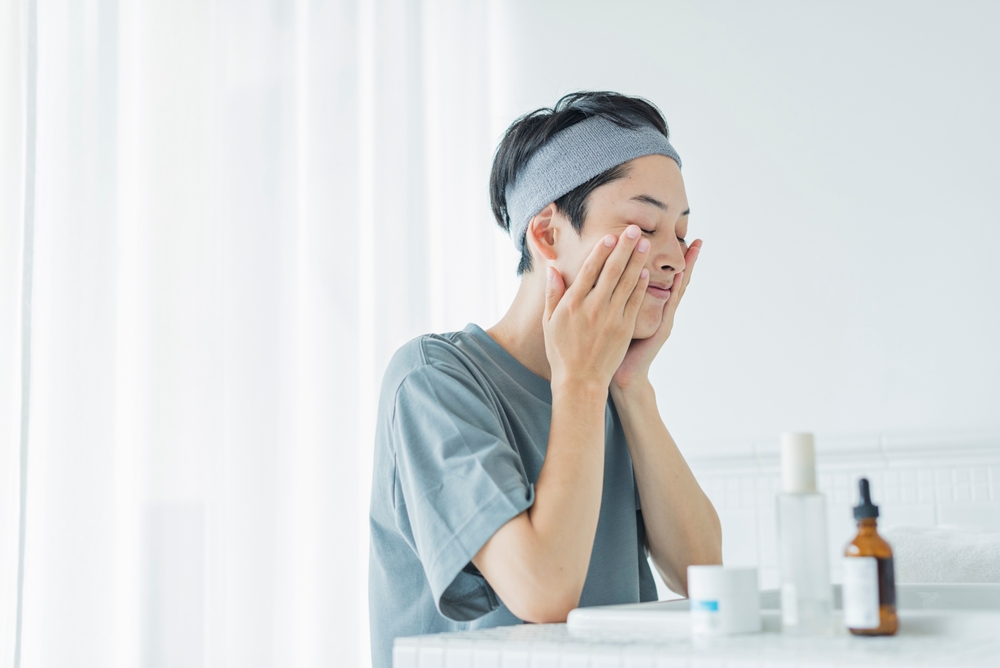
Key Benefits of Medical-Grade Skincare
The benefits of medical-grade skincare extend beyond cosmetic improvements by helping address underlying skin concerns with clinically supported ingredients. Consistent use often leads to healthier skin, improved texture, and more predictable long-term results.
Faster Visible Results
Higher concentrations of active ingredients help produce noticeable improvements sooner than many retail alternatives. Results still require consistency, but progress is often easier to see within several weeks.
More Effective Anti-Aging Benefits
Medical formulations stimulate collagen production and improve skin elasticity more effectively than many over-the-counter products. This helps reduce the appearance of fine lines, wrinkles, and loss of firmness.
Better Acne Management
Professional formulas target excess oil, clogged pores, inflammation, and acne-causing bacteria simultaneously. A customized routine also helps reduce future breakouts while minimizing post-acne marks.
Improved Hyperpigmentation Treatment
Clinically proven brightening ingredients work together to reduce dark spots and uneven pigmentation. Regular use creates a more balanced complexion without relying on temporary coverage.
Enhanced Skin Texture and Tone
Exfoliating acids, antioxidants, and restorative ingredients help smooth rough skin while improving overall tone. Skin gradually appears brighter, softer, and more refined.
Stronger Skin Barrier Support
Barrier-supporting ingredients strengthen the skin’s natural defenses against moisture loss and irritation. Healthier skin is better equipped to tolerate active ingredients and environmental stressors.
Looking for expert guidance on building a personalized skincare routine? LeadOrigin helps businesses strengthen their online presence, enabling aesthetic practices to connect with more patients searching for trusted skincare solutions.
Common Ingredients Found in Professional Skincare Products
Many professional skincare products contain evidence-based ingredients selected for their ability to improve specific skin concerns. Combining these ingredients strategically often produces better outcomes than relying on a single active ingredient.
Medical-Strength Retinoids
Medical-strength retinoids encourage faster cell turnover while supporting collagen production. They remain one of the most effective ingredients for acne and visible signs of aging.
Vitamin C
Vitamin C protects against environmental damage while helping brighten uneven skin tone. It also supports collagen synthesis for firmer, healthier-looking skin.
Growth Factors
Growth factors help promote skin repair and improve overall skin quality. They are commonly used to support recovery and reduce visible signs of aging.
Peptides
Peptides encourage collagen production and improve skin firmness over time. They also help strengthen the skin barrier for improved resilience.
Hyaluronic Acid
Hyaluronic acid attracts and retains moisture to improve skin hydration. Well-hydrated skin appears smoother, plumper, and healthier.
Niacinamide
Niacinamide helps reduce redness, regulate oil production, and improve uneven skin tone. It also supports a stronger skin barrier with continued use.
AHAs and BHAs
AHAs exfoliate the skin’s surface while BHAs penetrate pores to remove excess oil and debris. Together, they improve texture, brightness, and acne control.
Ceramides
Ceramides replenish essential lipids that help maintain the skin barrier. Stronger barrier function improves moisture retention and reduces irritation.
Why Drugstore Products Often Fall Short
Drugstore skincare can support daily maintenance, but many formulas are designed for broad consumer use instead of targeted treatment. This limits their ability to address persistent skin concerns as effectively as medical-grade skincare products.
Lower Active Ingredient Levels
Retail products often contain lower concentrations to accommodate a wider range of users. Lower strengths may require significantly more time before noticeable improvements appear.
Marketing Claims vs Clinical Evidence
Product packaging frequently highlights attractive claims that may not reflect meaningful clinical outcomes. Professional formulations place greater emphasis on research-backed performance.
One-Size-Fits-All Formulations
Mass-market products are designed to suit as many consumers as possible. Personalized recommendations usually deliver better results because they address individual skin concerns directly.
Limited Delivery Technology
Many retail products lack advanced ingredient delivery systems that improve penetration. Reduced absorption limits the effectiveness of otherwise beneficial ingredients.
Slower or Minimal Results
Visible improvements often develop more slowly because of lower ingredient strengths and simplified formulations. Some users may see only modest changes despite consistent use.
Slower or Minimal Results
Professional guidance can reduce unnecessary product switching and improve treatment efficiency. Customized routines help maximize the performance of every product used.
Adults Concerned About Aging
Adults noticing fine lines, wrinkles, or reduced elasticity often benefit from clinically formulated skincare. Early intervention can help maintain healthier skin for years to come.
Patients with Acne
Persistent acne usually responds better to targeted ingredients selected by skincare professionals. Customized treatment plans also reduce the risk of irritation from incompatible products.
Individuals with Sun Damage
Professional formulations help improve discoloration, rough texture, and visible photodamage caused by long-term sun exposure. Consistent treatment supports healthier-looking skin over time.
People with Uneven Skin Tone
Clinically proven brightening ingredients help fade discoloration while promoting a more even complexion. Personalized routines improve results by targeting the specific cause of pigmentation.
Sensitive Skin Patients
Sensitive skin can still benefit from professional recommendations because formulations are selected based on individual tolerance. Proper guidance helps minimize irritation while achieving meaningful improvements.
Those Investing in Preventive Skincare
Preventive skincare focuses on maintaining healthy skin before concerns become more noticeable. Starting earlier often helps preserve smoother, firmer, and more even-looking skin.
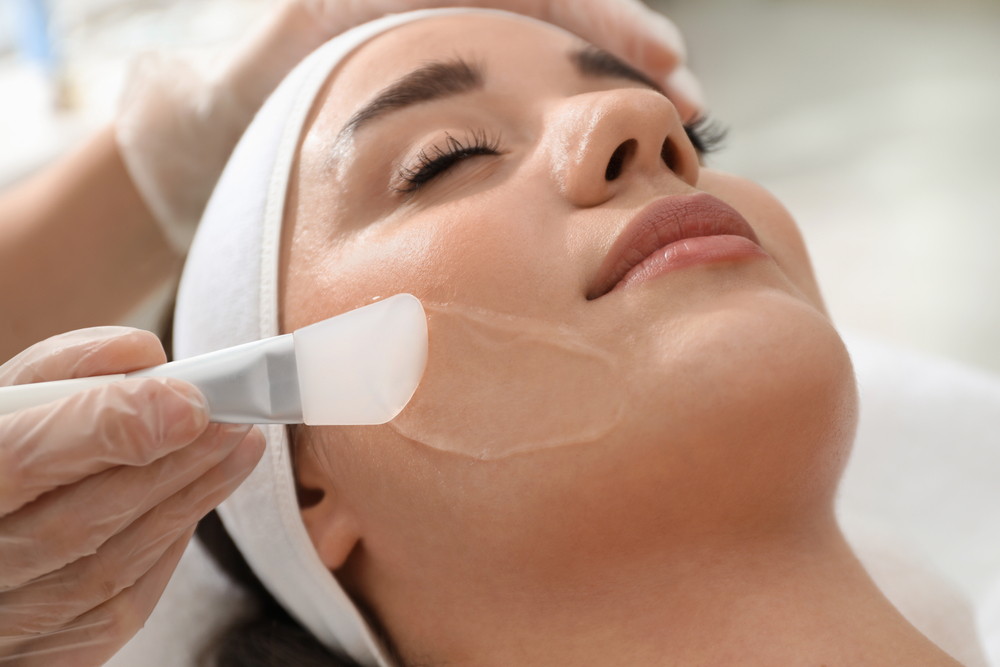
Combining Medical-Grade Skincare with Professional Treatments
Combining medical-grade skin care with aesthetic treatments often improves overall results by supporting both treatment outcomes and daily skin health. Professional guidance ensures products and procedures work together safely and effectively.
Botox and Injectable Treatments
Medical-grade skincare helps maintain smoother skin between injectable appointments. Daily collagen-supporting ingredients complement cosmetic treatments for longer-lasting improvements.
Chemical Peels
Professional skincare prepares the skin before treatment and supports recovery afterward. Appropriate products also help extend the benefits of each peel.
Microneedling
Growth factors, peptides, and hydrating ingredients enhance post-treatment recovery. Following professional recommendations helps maximize collagen production while protecting healing skin.
Laser Skin Resurfacing
Targeted skincare supports skin repair after laser treatments while helping reduce dryness and irritation. Consistent maintenance also helps preserve treatment results for longer.
Hydrafacial Treatments
Daily professional skincare helps maintain hydration and prolong the refreshed appearance achieved during treatment. Customized products also address ongoing skin concerns between appointments.
IPL and Photofacials
Brightening ingredients and daily sun protection help maintain improvements after light-based treatments. Combining procedures with medical-grade skincare products supports more consistent long-term outcomes.
How to Choose the Right Medical-Grade Skincare Routine
Choosing the right medical-grade skin care routine starts with understanding your skin concerns and using products that work together. A personalized plan also helps you achieve better results with fewer unnecessary products.
Start with a Professional Skin Assessment
A professional skin assessment identifies concerns such as acne, pigmentation, dehydration, and aging. This evaluation helps determine which products will provide the greatest benefit.
Build a Routine Based on Your Skin Goals
Your routine should focus on your primary concerns instead of following skincare trends. Targeted products create a more effective and manageable regimen.
Introduce Active Ingredients Gradually
Adding one active ingredient at a time helps your skin adjust comfortably. This approach also makes it easier to identify products that deliver the best results.
Be Consistent
Daily use is essential because even the best formulations need time to improve skin health. Consistency produces more predictable and longer-lasting improvements.
Don’t Skip Sunscreen
Broad-spectrum SPF 30 or higher protects your investment by preventing additional sun damage. Sunscreen also helps preserve the results achieved with active skincare ingredients.
Are Medical-Grade Skincare Products Worth the Investment?
For many people, medical-grade skincare products provide greater value because they deliver more targeted and consistent improvements. Investing in effective products can reduce unnecessary spending on ineffective alternatives.
Cost vs Long-Term Value
Professional products often cost more upfront because they contain higher-quality ingredients and advanced formulations. Better performance may lower overall skincare expenses over time.
Fewer Products Needed
A personalized routine typically includes only the products your skin truly needs. Using fewer, more effective products simplifies your regimen while improving results.
Better Results Mean Less Trial and Error
Professional guidance reduces the need to purchase multiple products that fail to address your concerns. This saves both time and money while improving confidence in your skincare routine.
Healthier Skin Over Time
Consistent use supports collagen production, hydration, barrier function, and overall skin health. Long-term improvements often become more noticeable with continued care.
Signs You’re Ready to Upgrade to Medical-Grade Skincare
You may be ready to switch if your current routine is no longer delivering noticeable improvements.
Common signs include:
- Fine lines and wrinkles are becoming more noticeable
- Persistent acne despite consistent skincare
- Dark spots or uneven pigmentation that do not fade
- Rough skin texture or enlarged pores
- Dryness despite regular moisturizing
- Multiple unsuccessful attempts with retail products
- Interest in preventing future skin concerns
Common Myths About Medical-Grade Skincare
Many misconceptions prevent people from experiencing the full benefits of medical-grade skincare. Understanding the facts makes it easier to choose products that match your skin’s needs.
“It’s Only for Older Adults”
Medical-grade skincare benefits adults of many ages, especially those managing acne, pigmentation, or preventative care. Starting earlier can help maintain healthier skin for the future.
“It’s Too Strong for Sensitive Skin”
Sensitive skin can safely use professional products when selected appropriately. Personalized recommendations help balance effectiveness with comfort.
“Drugstore Products Work Just as Well”
Some retail products offer good daily maintenance, but comparisons between medical-grade skincare and drugstore products consistently highlight differences in ingredient strength, formulation, and clinical support. Professional products are designed to create more significant improvements for targeted concerns.
“It’s Too Expensive”
Higher upfront costs often reflect stronger formulations and better-performing ingredients. Greater effectiveness may reduce repeat purchases of products that deliver minimal results.
“You’ll See Results Overnight”
Healthy skin develops gradually through consistent care and realistic expectations. Most people notice meaningful improvements after several weeks to a few months of regular use.
Final Thoughts on Why Medical-Grade Skincare Delivers Better Results
Medical-grade skincare products stand apart by combining clinically researched ingredients, advanced delivery technology, and professional guidance to achieve measurable improvements. For concerns such as acne, fine lines, discoloration, and uneven texture, professional skincare products often provide better long-term value than retail alternatives.
If you are ready to experience the benefits of medical-grade skincare, partner with a trusted aesthetic provider who can build a personalized treatment plan for your skin goals. If you own a medical spa or aesthetic practice, LeadOrigin can help your business attract more qualified patients through expert digital marketing strategies that grow your online visibility. Contact us today!
Frequently Asked Questions About Medical-Grade Skincare
What is medical-grade skincare?
Medical-grade skincare consists of professionally formulated products that contain clinically tested ingredients and higher active concentrations, targeting specific skin concerns more effectively than many retail alternatives.
How is medical-grade skincare different from drugstore products?
Medical-grade skincare vs drugstore products differ primarily in ingredient quality, active ingredient concentration, clinical testing, delivery technology, and professional guidance.
Are medical-grade skincare products worth the higher price?
Yes, many people find medical-grade skincare products worth the investment because they often produce better long-term results, reduce trial and error, and support healthier skin.
How long does it take to see results from medical-grade skincare?
Many users notice initial improvements within 4 to 8 weeks, while concerns about collagen production and pigmentation often continue to improve over 3 to 6 months with consistent use.
Can I use medical-grade skincare every day?
Yes, most medical-grade skin care products are designed for daily use when introduced correctly and used as recommended by professionals.