
Few things frustrate business owners more than watching a carefully planned construction budget slip further out of reach with every progress meeting and every new change order. Understanding why commercial construction projects go over budget so consistently helps owners plan more realistically and catch warning signs before costs spiral out of control.
Incomplete Design Before Construction Begins
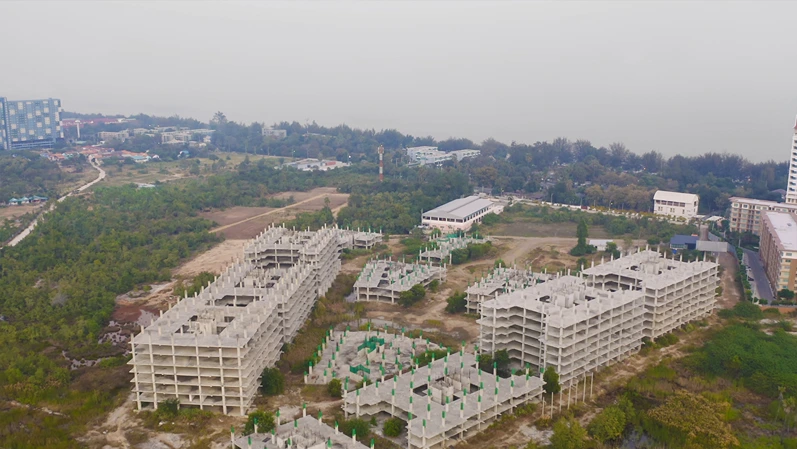
Rushing into construction before design details are fully resolved is one of the most common and preventable sources of budget overruns.
Design Changes Discovered Mid-Construction
When design documents leave gaps or ambiguities, contractors and subcontractors are forced to make field decisions that often cost more than if the detail had been resolved during design. Each of these small decisions adds up across a project with dozens or hundreds of similar gaps.
The True Cost of Fast-Tracking Design
Compressing the design phase to save time can save weeks upfront but frequently costs far more in change orders and rework once construction reveals problems that a more thorough design process would have caught earlier.
Inaccurate Initial Cost Estimates
The budget a project starts with is only as reliable as the estimate behind it, and estimating errors compound quickly once construction begins.
Outdated Pricing Data
Material and labor costs shift constantly, and an estimate built on pricing data even a few months old can be meaningfully inaccurate by the time bids actually come in, particularly in volatile material markets.
Overly Optimistic Contingency Assumptions
Some estimates include an unrealistically thin contingency line, assuming a smoother project than construction typically delivers. A contingency that is too small to absorb normal, expected variability sets a budget up to fail from the very start.
Inadequate Insurance and Bonding Coverage
Gaps in insurance or bonding coverage rarely show up in the initial budget but can create significant unplanned costs if something goes wrong during construction.
Underinsured Risk Exposure
Projects that are underinsured relative to their actual risk profile can leave owners exposed to significant out-of-pocket costs if an accident, weather event, or other covered loss occurs during construction, effectively creating an unbudgeted expense that a more complete insurance package would have absorbed.
Contractor Default and Bonding Protection
A performance bond protects owners financially if a contractor fails to complete a project, but projects without this protection in place can face substantial additional cost hiring a replacement contractor to finish unfinished work, often at a premium given the circumstances.
Unforeseen Site Conditions
Some of the most significant budget surprises come from conditions hidden below ground or behind existing walls that were not, or could not be, fully identified before construction began.
Soil and Subsurface Surprises
Unexpected soil conditions, contamination, or below-grade obstructions discovered during excavation can require costly foundation redesigns or remediation that were never part of the original budget.
Existing Building Conditions in Renovation Projects
Renovation and adaptive reuse projects frequently uncover outdated or non-compliant existing systems once walls are opened, requiring unplanned upgrades to meet current code that add real cost to what looked like a straightforward renovation on paper.
Scope Creep During Construction
Small, seemingly reasonable additions requested during construction add up to a significant budget impact by project completion.
Owner-Requested Changes Add Up Quickly
Individual change requests, a slightly larger window here, an upgraded finish there, often feel minor in isolation, but the cumulative cost of dozens of small owner-driven changes frequently rivals or exceeds a single major budget item.
Lack of a Formal Change Order Process
Projects without a disciplined, formal change order process are especially vulnerable to scope creep, since verbal agreements to “just add” something small rarely receive the same rigor as a documented, priced change order.
Financing and Draw Schedule Mismatches
The way project financing is structured can itself become a source of budget pressure if it does not align well with how construction actually unfolds.
Draw Schedules That Do Not Match Real Progress
Lenders typically release funds according to a predetermined draw schedule tied to project milestones, and when actual construction progress falls behind or ahead of that schedule, owners can face cash flow gaps that force expensive short-term borrowing to keep the project moving.
Interest Rate Changes During Longer Projects
Projects financed with variable-rate construction loans are exposed to interest rate movement over the life of the project, and a longer-than-expected timeline extends that exposure, potentially adding real financing cost that was not part of the original budget assumptions.
Poor Contractor Selection and Oversight
The contractor managing a project has a direct impact on whether a budget holds or slips, independent of design and estimating quality.
Choosing Based on Lowest Bid Alone
Selecting a contractor based primarily on the lowest bid, without weighing experience, references, and financial stability, often leads to change order-heavy projects, since some low bidders intentionally underbid knowing change orders will make up the difference later.
Insufficient Project Oversight
Owners who do not actively monitor draw requests, schedule updates, and change orders throughout construction are more likely to discover budget problems only after they have already grown significant, rather than catching them early when they are still manageable.
Poor Documentation and Communication Gaps
Beyond the specific technical and market causes above, weak documentation practices quietly contribute to budget overruns across nearly every category already discussed.
Verbal Agreements Without Written Follow-Up
Decisions made verbally during a site walk or phone call, without a written follow-up confirming scope and cost, create ambiguity that often resolves in the contractor’s favor once a dispute arises, simply because there is no clear record of what was actually agreed to.
Inconsistent Records Across the Project Team
When the owner, architect, and contractor each keep their own informal records rather than relying on a shared, authoritative project log, discrepancies are far more likely to surface, usually at the least convenient moment, such as during a payment dispute near project completion. Contractors who prioritize clear, well-documented lead and client communication practices from the very first inquiry tend to carry that same documentation discipline through the entire construction process.
Permitting and Regulatory Delays
Time is money on a construction project, and delays waiting on permits or regulatory approvals carry real financial consequences beyond the obvious schedule impact.
Extended Carrying Costs During Delays
Every additional month a project sits waiting on permits adds financing costs, insurance, and often escalating material prices, none of which were necessarily built into the original budget’s assumed timeline.
Code Changes During a Delayed Timeline
Building codes occasionally update between initial design and final permit approval, and a significant delay can force a project to comply with newer, sometimes more expensive requirements that did not exist when the original budget was developed.
Material and Labor Market Volatility
Broader market conditions outside any single project’s control can meaningfully affect a budget that looked solid when it was first developed.
Material Price Fluctuations
Lumber, steel, and other key materials have shown significant price volatility in recent years, and a project with a long timeline between initial budgeting and actual material purchase is particularly exposed to this kind of market shift.
Skilled Labor Shortages
Regional labor shortages can drive up wages and extend timelines simultaneously, since contractors sometimes pay a premium for available skilled labor or face delays waiting for crews to become available, both of which affect the bottom line.
Building a More Resilient Budget From the Start
Rather than reacting to overruns after they happen, owners can structure their initial budget to absorb the kinds of surprises this article has covered.
Stress-Testing the Budget Against Common Scenarios
Before finalizing a budget, walking through each of the common overrun categories above and asking whether the current numbers could absorb a realistic version of that risk gives owners a much clearer picture of where their budget is genuinely solid versus optimistic.
Building Owner Reserves Beyond Contractor Contingency
Beyond the contractor’s contingency line, many experienced owners maintain a separate reserve, specifically for owner-driven changes or unexpected priorities that emerge once construction is underway and the finished space begins to take shape.
How Contractors Help Owners Avoid Budget Overruns
Experienced contractors play a meaningful role in helping owners avoid the most common causes of budget overruns before they ever happen.
Transparent, Detailed Estimating Practices
Contractors who provide detailed, itemized estimates rather than vague lump-sum numbers give owners much better visibility into where budget risk actually sits, making it easier to identify and address soft spots before construction begins. Firms that build this kind of transparency into how they attract and qualify project leads tend to set more realistic expectations with clients from the very first conversation.
Proactive Communication About Emerging Risks
Contractors who flag potential cost risks early, rather than waiting until a problem has already become a costly change order, give owners the chance to make informed decisions before their options narrow. Building this kind of proactive trust with prospective clients online also tends to differentiate a contractor from competitors who only communicate when something has already gone wrong.
Frequently Asked Questions About Why Commercial Construction Projects Go Over Budget
What is the single biggest cause of construction budget overruns?
Incomplete design before construction begins is one of the most consistent culprits, since unresolved details force costly field decisions and change orders once construction is already underway.
How much contingency should a commercial construction budget include?
Contingency amounts vary by project complexity and risk, but many industry professionals recommend somewhere between five and fifteen percent of the total construction budget, with renovation projects often warranting a figure on the higher end.
Can choosing the lowest bid actually cost more in the long run?
Yes. Some low bidders intentionally underbid, expecting to recover margin through change orders during construction, which can result in a final cost higher than that of a more complete, higher initial bid from a different contractor.
Do permitting delays really affect the construction budget?
Yes, significantly. Extended delays waiting on permits add financing costs, insurance, and exposure to material price increases, none of which are typically built into the original budget’s assumed timeline.
How can owners protect their budget once construction has started?
Active oversight, including reviewing draw requests, tracking change orders formally, and attending regular progress meetings, helps owners catch budget issues early while there is still time to address them before they grow significant.
Protecting Your Project Budget From the Start
Understanding why commercial construction projects go over budget gives owners the knowledge to ask better questions, choose contractors more carefully, and build in realistic contingency from the very beginning. Contractors ready to attract owners who value this kind of transparent, budget-conscious approach can explore proven marketing strategies for general contractors built around exactly this reputation.