
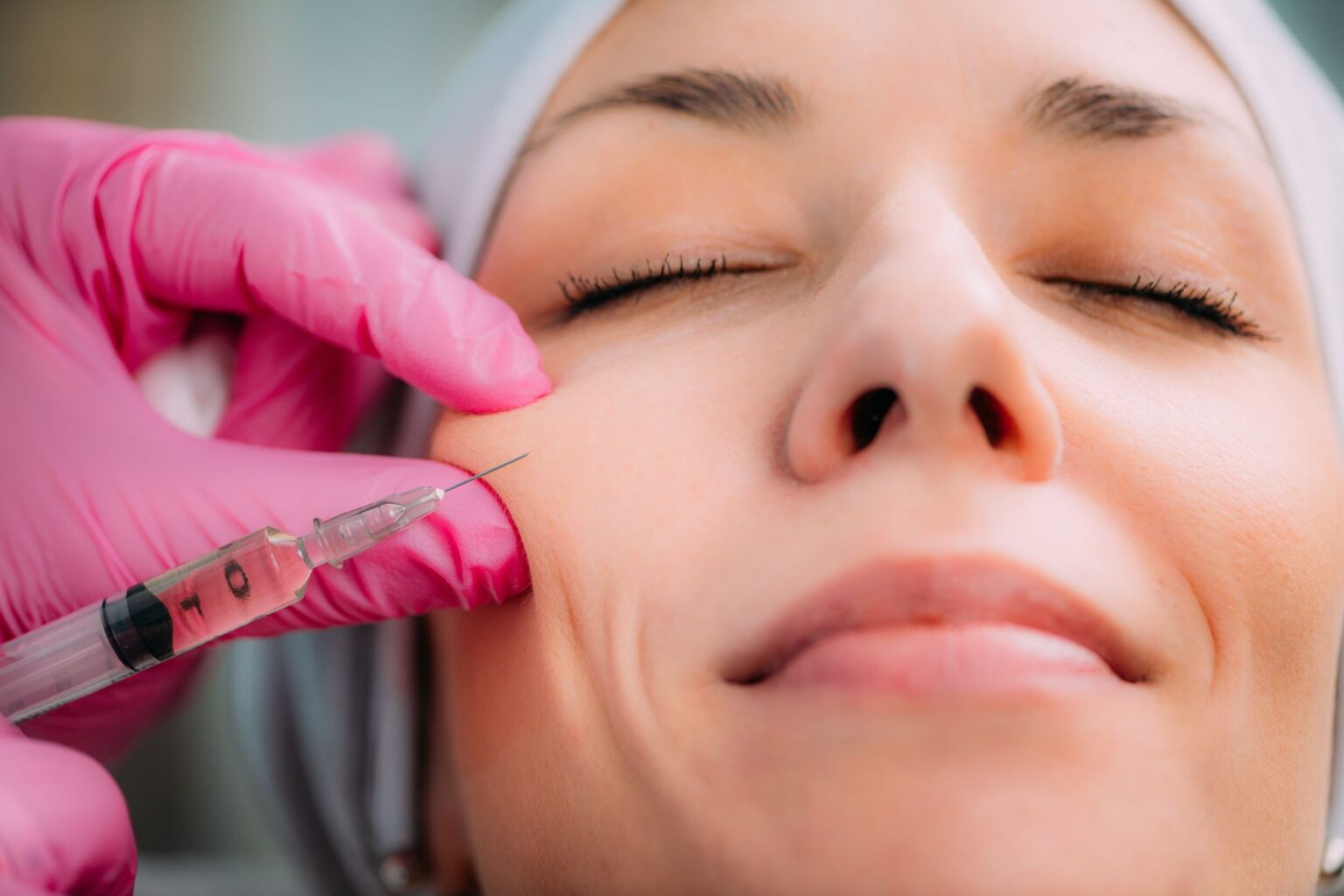
Choosing between botox vs. dermal fillers starts with understanding that they treat different signs of aging. While both are popular cosmetic injectables, they work in different ways and are designed to address different concerns, from expression lines to volume loss.
So how do you know which treatment is right for you?
The answer depends on your skin concerns, aesthetic goals, and the areas you want to improve. This guide explains how botox treatment and dermal filler treatment compare, where each works best, what results to expect, and when combining both can create more comprehensive facial rejuvenation treatments.
Botox vs. Dermal Fillers: Understanding the Key Differences
Although Botox and dermal fillers are both injectable cosmetic treatments, they work very differently. Botox relaxes specific muscles that create expression lines, while dermal fillers restore lost volume and enhance facial contours.
Understanding those differences makes it much easier to choose the treatment that matches your goals.
What Is Botox?
Botox treatment uses a purified protein to temporarily relax targeted facial muscles. As those muscles contract less, dynamic wrinkles become less noticeable and new expression lines are less likely to deepen.
Common treatment areas include the forehead, frown lines between the eyebrows, and crow’s feet around the eyes.
What Are Dermal Fillers?
A dermal filler treatment restores volume beneath the skin using gel-like substances, most commonly hyaluronic acid.
Instead of relaxing muscles, fillers add support where volume has naturally decreased. This helps smooth deeper lines, define facial features, and create a fuller, more youthful appearance.
Quick Comparison Table
| Feature | Botox | Dermal Fillers |
| Purpose | Relax facial muscles | Restore volume and contour |
| How it works | Temporarily blocks muscle movement | Adds volume beneath the skin |
| Best treatment areas | Forehead, crow’s feet, frown lines | Cheeks, lips, smile lines, jawline, chin |
| Results | Smoother expression lines | Fuller facial contours and softer folds |
| Longevity | About 3–4 months | About 6–24 months, depending on the product |
| Downtime | Minimal | Minimal |
| Typical cost | Depends on units used | Depends on product and treatment area |
| Ideal candidate | Dynamic wrinkles | Volume loss or facial contour enhancement |
Botox vs. Dermal Fillers for Wrinkles: Which Works Better?
The better option depends on the type of wrinkle being treated.
Some wrinkles are caused by repeated facial movement, while others develop because the skin loses collagen, elasticity, and facial volume over time.
Dynamic Wrinkles
Dynamic wrinkles appear when facial muscles contract.
Examples include forehead lines, crow’s feet, and the vertical “11 lines” between the eyebrows. These wrinkles typically respond best to botox treatment because relaxing the muscles softens the appearance of the lines.
Static Wrinkles
Static wrinkles remain visible even when the face is completely relaxed.
Smile lines, marionette lines, and deeper folds often benefit more from a dermal filler treatment, which restores volume beneath the skin instead of limiting muscle movement.
When Both Treatments Are Recommended Together
Many patients achieve their best results by combining Botox and fillers.
Botox smooths dynamic wrinkles while fillers restore facial volume, creating a more balanced and refreshed appearance without changing natural facial expressions.
Botox vs. Dermal Fillers for Facial Rejuvenation Treatments
Both treatments play an important role in modern facial rejuvenation treatments, but each addresses different concerns.
Rather than competing with one another, they often complement each other as part of a personalized treatment plan.
Areas Best Treated with Botox
Botox is commonly recommended for:
- Forehead lines
- Crow’s feet
- Frown lines
- Bunny lines on the nose
- Chin dimpling
- Neck bands
These areas are largely affected by muscle movement, making Botox an effective option.
Areas Best Treated with Dermal Fillers
Fillers are often used to restore volume and improve facial definition in areas such as:
- Cheeks
- Lips
- Nasolabial folds
- Marionette lines
- Chin
- Jawline
- Under-eye hollows
These areas benefit from added support beneath the skin rather than muscle relaxation.
Botox vs. Dermal Fillers: Benefits of Each Treatment
Each treatment offers unique advantages depending on the patient’s goals.
Botox Benefits
Botox remains one of the most popular cosmetic injectables because it offers predictable, natural-looking wrinkle reduction with little interruption to daily activities.
Benefits include:
- Softens dynamic wrinkles
- Helps prevent deeper expression lines from developing
- Quick treatment sessions
- Minimal downtime
- Natural-looking results when performed properly
Dermal Filler Benefits
Dermal fillers provide immediate volume restoration and facial contour enhancement.
Benefits include:
- Restores youthful facial volume
- Smooths deeper folds and creases
- Enhances lips and facial contours
- Immediate visible improvement
- Can produce long-lasting results depending on the filler used
Botox vs. Dermal Fillers: Which Lasts Longer?
Both treatments are temporary, but fillers generally last longer than Botox.
The exact timeline depends on the treatment area, the product used, and individual metabolism.
Botox Longevity
Most Botox results last around three to four months.
Patients who receive regular maintenance treatments often find their results become easier to maintain over time.
Dermal Filler Longevity
Dermal fillers typically last anywhere from six months to two years.
Areas with more movement, such as the lips, may require touch-ups sooner than areas like the cheeks or jawline.
Botox vs. Dermal Fillers: Treatment Process and Recovery
Both procedures are performed in the office and usually take less than an hour.
Most patients return to normal activities shortly after treatment.
What Happens During Botox Treatment
A consultation comes first to evaluate facial anatomy and treatment goals.
The provider then places small injections into carefully selected muscles using a fine needle. Most appointments take about 10 to 20 minutes.
What Happens During Dermal Filler Treatment
The provider begins by evaluating facial balance and identifying areas with volume loss.
After preparing the skin, filler is injected into specific locations to restore support, smooth wrinkles, or enhance facial contours. Results are usually visible immediately.
Aftercare Tips
Following aftercare instructions helps support the best possible outcome.
Patients are generally advised to:
- Avoid strenuous exercise for the first day.
- Avoid rubbing or massaging treated areas unless instructed.
- Stay upright for several hours after Botox.
- Apply cold compresses if mild swelling develops.
- Follow all provider recommendations.
Botox or Fillers: Which Treatment Is Right for Your Goals?
Choosing between botox or fillers depends on what someone hopes to improve.
A consultation with an experienced injector is the best way to determine which approach fits individual facial anatomy and long-term goals.
Choose Botox If You Want To:
- Smooth forehead lines
- Reduce crow’s feet
- Soften frown lines
- Prevent expression wrinkles from becoming deeper
Choose Dermal Fillers If You Want To:
- Restore facial volume
- Enhance lips
- Define the jawline or chin
- Soften smile lines and deeper folds
Consider Both Treatments If You Want:
Patients seeking comprehensive facial rejuvenation often benefit from combining both treatments.
Using Botox alongside fillers allows providers to address muscle movement and volume loss at the same time, creating balanced, natural-looking improvements.
Who Is a Good Candidate for Botox and Dermal Fillers?
Most healthy adults looking to reduce signs of aging may be candidates for injectable treatments.
The right option depends on the individual’s concerns, medical history, and treatment goals.
Ideal Botox Candidates
Botox is often recommended for adults who:
- Have dynamic wrinkles caused by facial movement
- Want a minimally invasive treatment
- Prefer subtle, natural-looking wrinkle reduction
Ideal Dermal Filler Candidates
Dermal fillers are commonly recommended for people who:
- Have facial volume loss
- Want fuller lips or cheeks
- Wish to improve facial contours
- Want to soften deeper facial folds
Who Should Avoid Injectable Treatments?
Certain individuals may need to postpone treatment or consider alternatives.
Pregnant or breastfeeding individuals, people with certain neuromuscular conditions, or those with active skin infections near the treatment area should discuss their options carefully with a qualified medical provider before receiving cosmetic injectables.
Potential Risks and Side Effects of Cosmetic Injectables
Both Botox and dermal fillers have well-established safety profiles when administered by experienced medical professionals.
Like any medical treatment, however, they still carry potential risks.
Botox Side Effects
Common side effects may include mild redness, swelling, bruising, tenderness, or temporary headache.
Less common complications can occur if injections are placed incorrectly, which highlights the importance of choosing a qualified injector.
Dermal Filler Side Effects
Temporary swelling, bruising, redness, and tenderness are among the most common side effects.
Although uncommon, more serious complications can occur if fillers are injected improperly, making provider experience especially important.
How Choosing an Experienced Injector Improves Safety
Proper facial assessment, injection technique, and product selection all contribute to safer, more natural-looking outcomes.
An experienced provider also understands facial anatomy well enough to minimize risks while creating balanced, customized results.
How Much Do Botox and Dermal Fillers Cost?
The cost of treatment depends on several factors, including the provider’s experience, geographic location, the products used, and the number of treatment areas.
Botox is typically priced per unit, while dermal fillers are usually priced per syringe. Although price is an important consideration, choosing the least expensive option should never outweigh safety, experience, and treatment quality.
A personalized consultation remains the best way to receive an accurate treatment recommendation and cost estimate based on individual goals.
How to Choose the Best Provider for Botox and Dermal Fillers
The provider you choose can have just as much impact on your results as the treatment itself. Botox and dermal fillers require a thorough understanding of facial anatomy, proper injection techniques, and an eye for facial balance.
Taking time to research your provider can help you achieve natural-looking results while reducing the risk of complications.
Look for Medical Qualifications
Start by choosing a licensed medical professional with specialized training in injectable treatments.
Experienced providers understand how facial muscles, blood vessels, and soft tissues work together, allowing them to customize treatments safely and effectively.
Review Before-and-After Photos
Before-and-after photos offer valuable insight into a provider’s work.
Look for consistent, natural-looking results across different patients rather than dramatic transformations. A strong portfolio can also help you see how the provider approaches different facial concerns and treatment goals.
Read Patient Reviews
Patient reviews often reveal details that aren’t obvious during an initial search.
Look for feedback about communication, professionalism, treatment experience, and overall satisfaction. Consistently positive reviews can provide reassurance that patients have had good experiences over time.
Schedule a Personalized Consultation
A consultation is one of the most important parts of the treatment process.
Rather than recommending the same solution for everyone, an experienced injector should evaluate your facial anatomy, discuss your concerns, answer your questions, and explain which treatment—or combination of treatments—best fits your goals.
The consultation is also an opportunity to talk about expected results, recovery, maintenance, and any potential risks before moving forward.
Avoid Unrealistic Promises and Discount Clinics
Botox and dermal fillers are medical treatments, not one-size-fits-all cosmetic procedures.
Be cautious of providers who promise unrealistic results, advertise unusually low prices, or recommend unnecessary treatments without first evaluating your needs. Choosing an experienced injector who prioritizes safety and personalized care often leads to better long-term results.
Botox vs. Dermal Fillers: Finding the Treatment That Fits Your Goals
When comparing botox vs. dermal fillers, there isn’t a single treatment that’s better for everyone. The right choice depends on what you’re hoping to improve, whether that’s smoothing expression lines, restoring facial volume, or creating a more refreshed appearance overall.
Many people also discover that the best results come from combining both treatments. Botox addresses dynamic wrinkles caused by muscle movement, while dermal fillers replace volume that’s naturally lost with age. Together, they can create subtle, balanced improvements that still look like you.
For providers, offering excellent treatments is only part of building a successful aesthetics practice. Helping potential patients find your services online is equally important.
If you own a medspa, cosmetic clinic, or aesthetics practice and are looking for a marketing partner, LeadOrigin can help you grow your online visibility through SEO, paid advertising, website optimization, and lead generation strategies designed specifically for healthcare and aesthetics businesses. Ready to attract more qualified patients? Contact us at LeadOrigin to learn how we can support your practice.
Frequently Asked Questions
What is the main difference between Botox and dermal fillers?
The biggest difference is how they work. Botox treatment relaxes facial muscles to soften dynamic wrinkles, while a dermal filler treatment restores lost volume beneath the skin to smooth deeper lines and enhance facial contours.
Which lasts longer, Botox or dermal fillers?
Dermal fillers generally last longer. Botox typically produces results for about three to four months, while most dermal fillers last between six months and two years, depending on the product and treatment area.
Is Botox or dermal fillers better for forehead wrinkles?
Botox is usually the preferred treatment for forehead wrinkles because these lines are primarily caused by repeated muscle movement. Dermal fillers are more commonly used for wrinkles caused by volume loss.
Can you get Botox and dermal fillers at the same appointment?
Yes. Many providers safely perform both treatments during the same visit when appropriate. Combining Botox and fillers can address different signs of aging in one treatment plan and often creates more balanced facial rejuvenation results.
Are Botox and dermal fillers painful?
Most patients describe both treatments as very manageable. The injections are performed with fine needles, and many dermal fillers contain a local anesthetic to improve comfort. Providers may also use topical numbing cream when needed.