
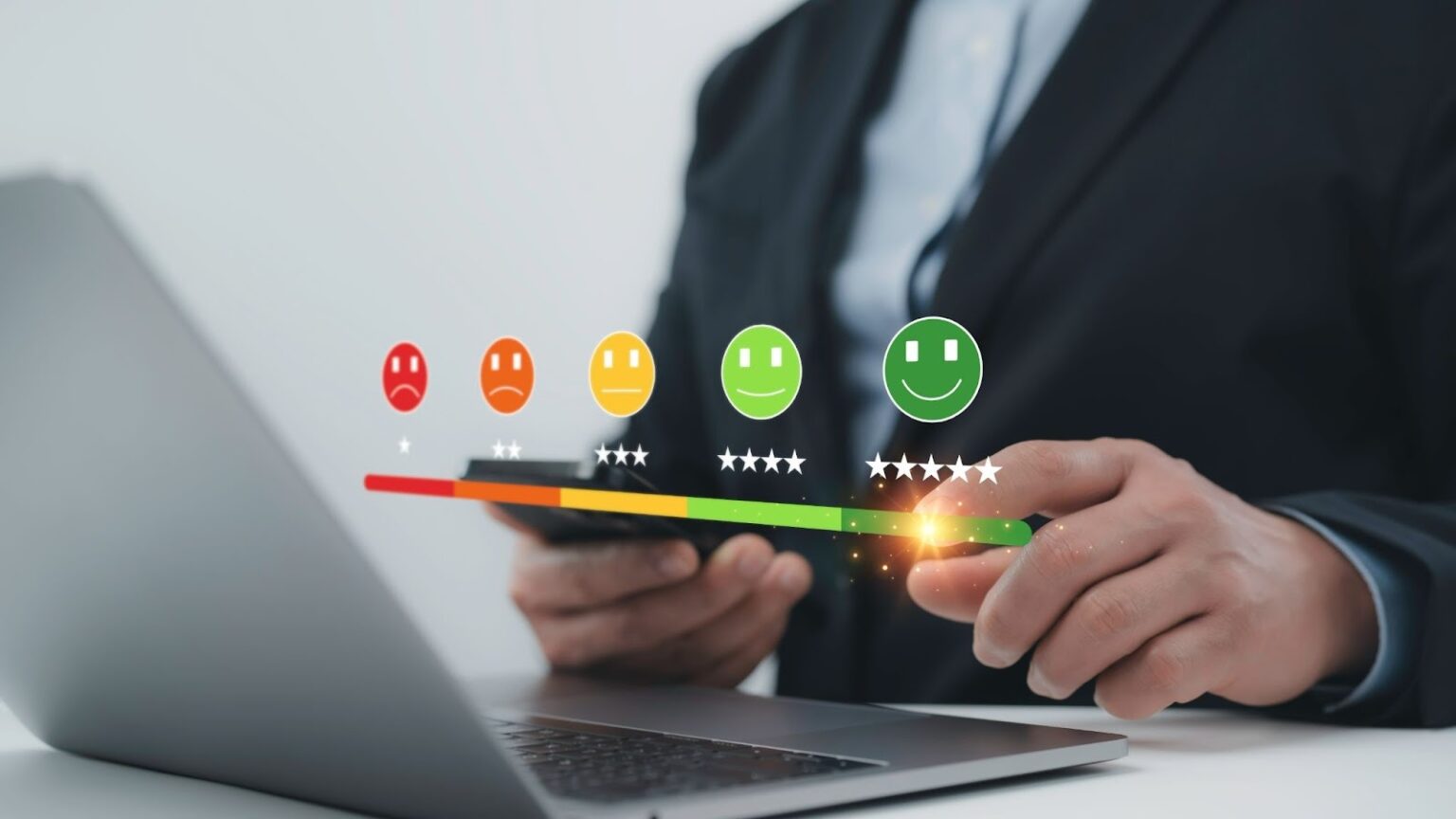
Your brand’s reputation is one of its biggest assets. What people hear, read, or see online shapes trust, sales, and long-term loyalty. That’s why online brand reputation monitoring can’t be an afterthought. Staying alert helps you catch issues early, respond confidently, and keep your brand’s narrative in your hands.
In this article, we’ll break down what makes a monitoring system effective, tools you can use, strategy tips, common missteps, and how your website plays a key role in all of this.
Why Monitoring Your Brand Reputation Matters
Your brand’s reputation lives online, shaped by what people say in reviews, social posts, and search results. Every comment, rating, or article adds to how your audience sees you. When negative content gains more visibility than your own messaging, it can quickly affect trust and sales.
Keeping an eye on how your brand appears across platforms helps you stay proactive instead of reactive. You can identify potential issues before they spiral, respond quickly to customer feedback, and reinforce your credibility with consistent, timely communication.
Without consistent monitoring, you’re essentially operating in the dark. Conversations happen online every day, and silence can be interpreted as indifference. By staying alert and engaged, you protect your reputation, maintain customer confidence, and guide the narrative around your brand.
Key Features to Look for in Brand Reputation Monitoring Tools
You want tools that do more than alert you. You also need insight, context, and clarity. Here are what great tools offer:
Real-Time Alerts & Notifications
The faster you know what’s being said, the faster you can act. Real-time alerts notify you whenever your brand name, key executives, or product terms appear online. This feature helps your team jump on opportunities or address problems before they gain traction.
Sentiment Analysis & Social Listening
Mentions alone don’t tell the full story. Sentiment analysis tools go deeper by showing how people feel about your brand — positive, neutral, or negative. Social listening adds another layer by tracking trends, keywords, and discussions happening around your industry, helping you spot shifts in perception early.
Multi-Channel Coverage (Web, Social, Forums, News)
Your audience doesn’t stay in one place, and neither do opinions. The best tools monitor multiple platforms at once, from social media and review sites to blogs, forums, and news articles. Multi-channel coverage ensures you don’t miss critical mentions hidden outside your main marketing platforms.
Competitor Benchmarking & Trends
Knowing what people say about competitors helps you see how your brand stacks up. Benchmarking tools track sentiment, visibility, and engagement across multiple brands. You can use this data to identify strengths, uncover weaknesses, and refine your messaging to stand out.
Reporting & Dashboard Capabilities
Data is only valuable when it’s easy to understand. Look for tools with clean dashboards and customizable reports that display metrics like sentiment scores, share of voice, and engagement over time. Visual reporting helps teams make informed decisions without digging through spreadsheets.
Top Brand Reputation Monitoring Tools to Consider
When it comes to protecting your online reputation, the right tool can make everything easier. The trick is finding one that fits your brand’s size, needs, and pace.
1. Meltwater
Meltwater offers comprehensive media intelligence, combining social listening, PR tracking, and analytics in one platform. It monitors everything from social mentions to news coverage and provides deep sentiment analysis so you can understand how people truly perceive your brand.
2. Brandwatch
Known for its AI capabilities, Brandwatch gives businesses access to millions of online conversations in real time. It excels at identifying emerging trends, analyzing customer sentiment, and providing detailed competitor comparisons.
3. Sprinklr
Sprinklr is a full-service customer experience platform that integrates social listening, engagement, and analytics. It’s ideal for larger businesses looking to manage their entire online presence and brand perception from one dashboard.
4. Mention
Perfect for small to mid-sized teams, Mention helps you track brand mentions, keywords, and hashtags across social platforms, blogs, and review sites. It’s lightweight, affordable, and great for getting started with brand reputation monitoring.
5. Reputation.com
This tool focuses on managing customer reviews and improving local SEO. It’s especially useful for businesses with multiple locations, helping them collect and analyze feedback to improve ratings and strengthen online visibility.
A brand reputation expert like LeadOrigin can help you choose the right tool, set up monitoring systems, and integrate the data into a broader digital strategy that supports your growth.

How to Set Up an Effective Brand Reputation Monitoring Strategy
Once you have the right tools, it’s time to build a system that turns insights into action. A structured approach ensures you’re not just collecting data but actually improving your brand’s reputation over time.
- Define your keywords and brand terms.
Include your company name, product names, hashtags, and even common misspellings. This ensures you catch every relevant mention.
- Set up alerts and filters.
Customize alerts by region, language, or platform so you receive relevant updates without being overwhelmed by noise.
- Assign ownership.
Make someone responsible for managing alerts, responding to mentions, and escalating serious issues to PR or management.
- Develop response templates.
Having clear guidelines for how to handle praise, complaints, and misinformation keeps your brand voice consistent.
- Review reports regularly.
Analyze weekly or monthly summaries to spot recurring themes or potential risks before they grow.
- Update and adapt.
As your business evolves, update your keywords, competitors, and reporting frequency to stay aligned with your goals.
Integrating Monitoring into Brand Reputation Management
Monitoring is only half the equation. What you do with the information defines your success. Integrating insights into your brand reputation management process ensures every action is purposeful and aligned.
Start by responding to customer feedback promptly. Use insights from sentiment reports to guide product improvements and marketing campaigns. If you notice recurring complaints, create proactive content to address them before they become PR issues.
Finally, make your website and content strategy part of your reputation management plan. Publish case studies, testimonials, and blog posts that reflect your brand’s values and expertise. The stronger your owned content, the harder it is for negative stories to dominate search results.
Common Mistakes to Avoid When Monitoring Brand Reputation
Even the best monitoring systems can fall short if you miss key steps or overreact to data. Here are a few mistakes to avoid:
1. Ignoring Context
A negative comment isn’t always a crisis. Understand the situation before responding. Sometimes, silence or a private message is the smarter move.
2. Overreacting to Isolated Mentions
Not every complaint needs a public statement. Focus on patterns rather than single comments to avoid drawing unnecessary attention.
3. Monitoring Only Social Media
Many brands forget about forums, review sites, and smaller blogs. These spaces often spark early discussions that can spread quickly.
4. Responding Too Slowly
The internet moves fast. Delayed responses make your brand look inattentive or indifferent. Real-time alerts are only useful if someone acts on them promptly.
5. Neglecting Internal Reputation
Your employees are part of your brand’s voice. Negative internal culture often leaks into external perception. Make sure your reputation strategy starts from within.
6. Failing to Use Data for Improvement
Monitoring should lead to action. Use trends, sentiment shifts, and recurring themes to improve your products, service, and communication strategies.

Building a Reputation Strategy That Works Long-Term
Strong brand reputation monitoring doesn’t happen overnight. It’s a continuous process that requires consistency, awareness, and the right digital foundation. When you combine proactive monitoring with authentic brand storytelling and SEO-driven content, your reputation becomes one of your biggest competitive advantages.
LeadOrigin: Your Partner in Reputation-Aware Web Presence
Your brand’s online reputation starts with what people see and experience when they interact with your brand. That’s why building a trusted digital foundation matters just as much as monitoring what happens outside it.
Monitor brand reputation today and partner with an expert that cares, like LeadOrigin. Based in Houston, TX, we specialize in building websites and digital platforms that reflect strong brand values and performance. We serve businesses in Dallas, Austin, and beyond, by providing design, development, SEO, and strategic support.
Located at 2100 W Loop S #1400, Houston, TX 77027, we also serve businesses across Dallas and Austin, providing tailored solutions that help you stand out in competitive markets.Ready to build a brand that people trust and remember? Visit LeadOrigin and discover how our web development and digital marketing services can help you strengthen your online reputation.