Flooring is one of the most expensive, and most neglected, assets in a commercial facility. It absorbs constant foot traffic, spills, and grit every single day, yet many businesses only think about it once it already looks visibly worn out and difficult to ignore. A consistent approach to commercial floor cleaning is what separates flooring that lasts a decade from flooring that needs replacement in half that time.
The Real Cost of Neglecting Flooring Maintenance
Replacing commercial flooring is one of the more disruptive and expensive facility expenses a business can face, which makes preventive care a straightforward financial decision once the numbers are laid out clearly.
Comparing Maintenance Costs to Replacement Costs
A consistent maintenance program, including entryway mats, routine cleaning, and periodic deep treatments, costs a fraction of what full flooring replacement requires. Businesses that skip this maintenance often find themselves facing a full replacement years earlier than the flooring’s actual expected lifespan, along with the disruption of construction or installation work during that replacement.
Downtime and Disruption During Replacement
Replacing flooring in an active facility usually requires closing off sections of a building, relocating furniture and equipment, and sometimes rescheduling operations entirely. Businesses that maintain a consistent local SEO presence to keep foot traffic steady understand how costly it is to disrupt normal operations, and flooring replacement is exactly the kind of avoidable disruption that proper maintenance prevents.
Why Flooring Wears Out Faster Than It Should
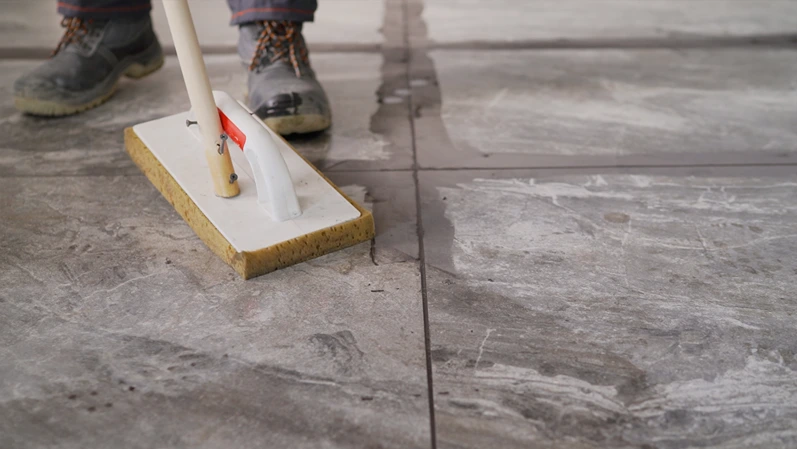
Most premature flooring damage is not caused by age alone. It comes from small, repeated maintenance gaps that compound over months and years.
Abrasive Dirt and Grit Are the Real Enemy
Dirt, sand, and small grit particles act like sandpaper every time someone walks across a floor. Left unaddressed, this constant abrasion dulls finishes, scratches hard surfaces, and wears down carpet fibers far faster than the foot traffic itself would otherwise cause.
Using the Wrong Products or Techniques
Using a harsh, generic cleaner on a delicate hardwood or specialty tile surface can strip protective finishes and cause damage that shows up gradually rather than all at once. By the time discoloration or dulling becomes obvious, the underlying damage is often already done.
Daily and Weekly Maintenance Habits That Matter Most
The single most effective way to extend flooring life is consistent, unglamorous daily maintenance rather than occasional deep cleaning alone.
Entryway Mats and Walk-Off Zones
A significant percentage of the dirt and grit that damages flooring enters a building within the first several feet of any entrance. Properly sized, well-maintained walk-off mats capture much of that debris before it ever reaches the rest of the facility, making this one of the highest-value, lowest-cost investments in flooring protection available.
Routine Dust Mopping and Sweeping
Daily or twice-daily dust mopping on hard surfaces, and regular vacuuming on carpeted areas, removes loose grit before it gets ground into the flooring by foot traffic. Skipping this basic step is one of the most common reasons flooring wears out faster than its expected lifespan.
Training In-House Staff on Basic Floor Care
Facilities that handle some flooring maintenance internally still benefit from making sure staff understand a few basic principles that protect the investment.
Teaching Proper Spill Response
Spills left sitting on hard surfaces or carpet cause more damage the longer they remain untreated, particularly acidic substances like coffee or citrus-based drinks that can etch or stain certain flooring materials. A short training session on immediate spill response for front-line staff prevents avoidable damage between scheduled cleaning visits.
Setting Clear Expectations for Daily Upkeep
Even with a professional provider handling deep cleaning, in-house staff often handle small daily tasks like emptying trash near entryways or wiping down obvious spills. Documenting these expectations clearly, the same way a business documents standards in its own content writing and internal processes, keeps everyone aligned on what falls under professional service and what staff are expected to manage day to day.
Choosing the Right Products for Each Flooring Type
Different flooring materials require different care, and using a one-size-fits-all product across an entire facility is a common and costly mistake.
Hard Surfaces Like Tile, Vinyl, and Hardwood
Each of these materials has a specific pH range and product type that protects its finish rather than degrading it over time. Vinyl composition tile, for example, requires different care than natural stone or sealed hardwood, and using the wrong product can void a manufacturer’s warranty in addition to causing visible damage.
Carpet and Soft Flooring
Carpet requires a combination of regular vacuuming, spot treatment for spills, and periodic deep extraction to remove ground-in soil that vacuuming alone cannot reach. Skipping deep extraction allows soil to accumulate at the base of carpet fibers, which accelerates wear and shortens the carpet’s usable life significantly.
Protecting Manufacturer Warranties Through Proper Care
Many commercial flooring products come with manufacturer warranties that depend on following specific maintenance guidelines, a detail businesses often overlook until it is too late.
Reading the Fine Print on Maintenance Requirements
Flooring warranties frequently specify approved cleaning products, methods, and minimum maintenance frequencies. Deviating from those requirements, even unintentionally through a well-meaning but incorrect cleaning approach, can void coverage that would otherwise protect a business from premature material defects.
Keeping Documentation for Warranty Claims
Maintaining records of cleaning schedules, products used, and any professional service visits gives a business the documentation needed to support a warranty claim if a flooring defect does arise. Without that paper trail, even a legitimate manufacturing defect can be difficult to prove.
Deep Cleaning and Restorative Treatments
Beyond daily maintenance, flooring needs periodic deeper treatments to maintain both its appearance and its structural integrity over time.
Floor Stripping and Waxing
Vinyl and other resilient flooring types benefit from periodic stripping of old, worn finish followed by reapplication of fresh wax or sealant. This restorative process protects the underlying material from the daily wear that would otherwise degrade it directly, extending the useful life of the flooring considerably.
Professional Carpet Extraction
Hot water extraction, performed periodically depending on foot traffic, removes deeply embedded soil and allergens that regular vacuuming cannot reach. Businesses that skip this step often see carpet looking visibly worn years before it would with a consistent extraction schedule in place.
Common Mistakes That Shorten Flooring Lifespan
A few recurring mistakes account for the majority of premature flooring replacement in commercial facilities.
Overusing Harsh Chemicals
More product is not always better. Overusing cleaning chemicals, or using ones too harsh for a specific flooring type, can strip protective coatings and leave surfaces more vulnerable to staining and wear rather than better protected.
Skipping Preventive Maintenance Until Problems Are Visible
Waiting until flooring already looks worn before scheduling a deep clean or restorative treatment usually means the damage is more advanced, and more expensive to correct, than it would have been with a proactive maintenance schedule. Facilities that already track performance data closely in their own search engine optimization efforts tend to apply that same preventive, data-driven mindset to facility maintenance rather than waiting for a visible problem to force action.
Building a Preventive Maintenance Schedule
An effective floor care program is built around a schedule tailored to actual traffic patterns rather than a generic calendar.
Differentiating High-Traffic and Low-Traffic Zones
Entryways, main hallways, and break rooms typically need far more frequent attention than a rarely used storage room or executive office. Building a maintenance schedule around actual traffic patterns, rather than treating every area identically, makes better use of a facility’s cleaning budget.
Adjusting for Seasonal Conditions
Rain, snow, and salt tracked in during winter months accelerate flooring wear significantly compared to drier seasons. Increasing entryway mat maintenance and dust mopping frequency during these periods helps offset that seasonal spike in abrasive debris entering the building.
When to Bring In a Professional Provider
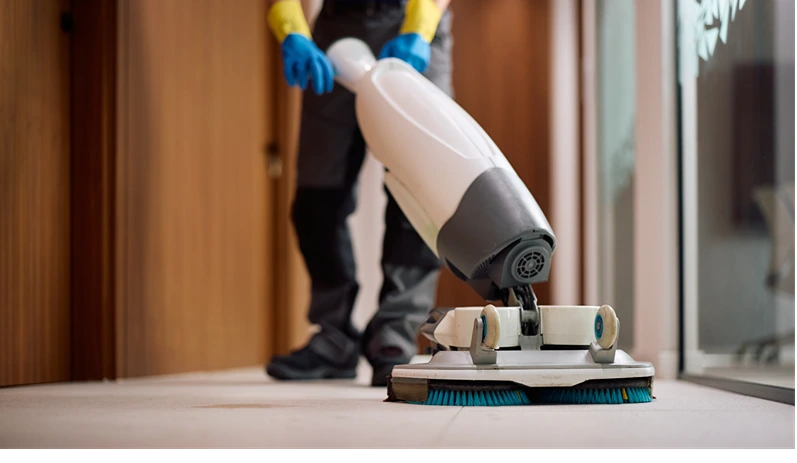
Some aspects of flooring maintenance are difficult to execute well without professional-grade equipment and training.
Equipment That Makes a Measurable Difference
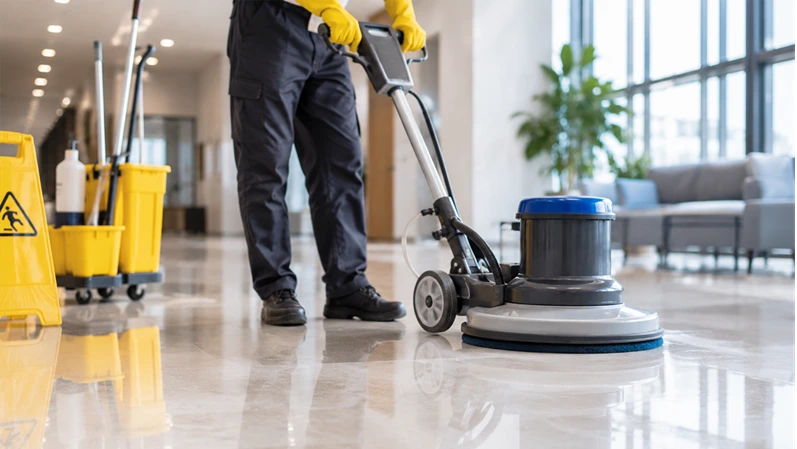
Professional floor buffers, extraction machines, and properly calibrated equipment produce more consistent, effective results than consumer-grade tools, particularly for large facilities where manual methods become impractical at scale.
Expertise Across Multiple Flooring Types
A facility with a mix of tile, carpet, and specialty flooring benefits from a provider experienced across all of those materials, since a mismatched product or technique on even one flooring type can cause damage that offsets the savings of handling maintenance internally. Businesses that already hold their own website and brand presentation to a high standard tend to expect that same level of polish from the physical spaces clients actually walk through.
Frequently Asked Questions
How often should commercial floors receive a deep clean?
This depends on traffic, but most commercial facilities benefit from professional deep cleaning or extraction every three to six months, with high-traffic areas needing more frequent attention.
What is the biggest mistake businesses make with floor maintenance?
Waiting until flooring already looks visibly worn before scheduling maintenance is the most common and costly mistake, since early damage is far easier and cheaper to address than advanced wear.
Do entryway mats really make a significant difference in flooring lifespan?
Yes. A large percentage of the dirt and grit that damages flooring enters through building entrances, and well-maintained mats capture much of that debris before it spreads further into the facility.
Can the wrong cleaning product actually damage commercial flooring?
Yes. Using a product with the wrong pH or chemical strength for a specific flooring type can strip protective finishes and cause damage that may void manufacturer warranties.
Is it worth hiring a professional commercial floor cleaning service instead of handling it in-house?
For most mid-size and larger facilities, yes. Professional equipment and product knowledge typically deliver better, longer-lasting results than in-house efforts using consumer-grade tools and generic products.
Protecting Your Flooring Investment for the Long Run
Flooring represents a significant investment, and protecting that investment comes down to consistent daily habits paired with the right periodic deep cleaning and restorative treatments applied to each specific material. Businesses ready to extend the life of their flooring through a proper commercial floor cleaning program, backed by a broader growth strategy, can connect with LeadOrigin to talk through what a full-service partnership looks like.