
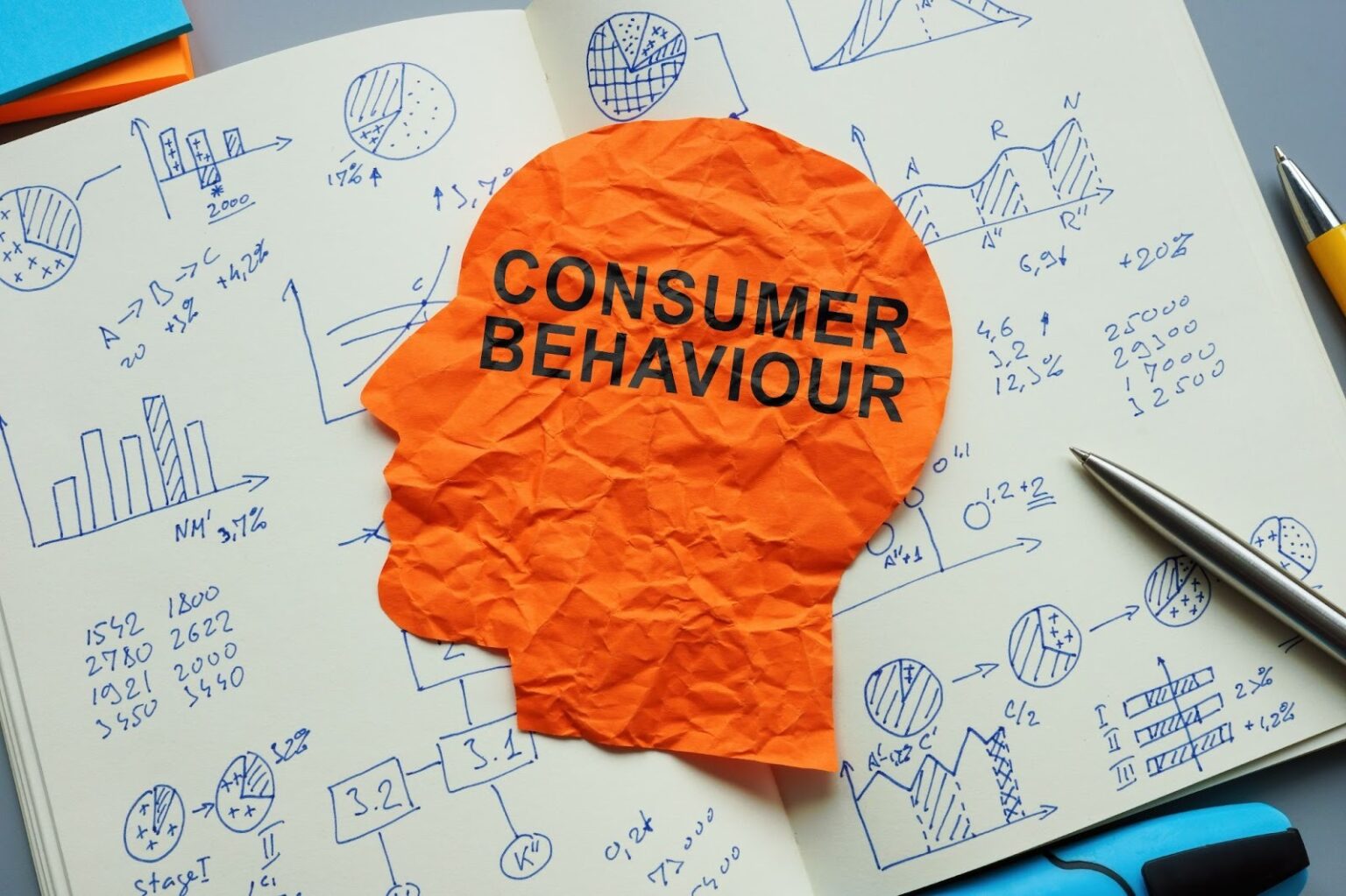
The way people shop online in 2025 says everything about what they value. A product review can make or break a purchase, a trending video can spark overnight demand, and a brand’s stance on privacy or sustainability can influence loyalty just as much as price. These moments may feel small, but together they reveal the bigger patterns that define digital consumer behavior today.
For businesses, paying attention to these patterns means shaping how their campaigns are to be designed, how products are to be positioned, and how relationships with customers are to be maintained. In other words, the trends shaping audiences today are rewriting the playbook for digital marketing.
In this article, we’ll share the importance of understanding digital consumer behavior in 2025 and what that means for your business.
Understanding Digital Consumer Behavior in 2025
Consumer habits online aren’t what they were even two years ago. People move between devices, apps, and platforms with ease, making it harder for businesses to predict what captures attention. This is why studying digital behavior is now the basis for modern marketing.
What Digital Consumer Behavior Means Today
Today’s consumers expect experiences that feel tailored and effortless. They research online before buying, read reviews carefully, and often look for brands that share their values. Well beyond transactions, digital behavior now includes how people discover, evaluate, and engage with businesses at every stage of the journey.
Why Tracking Consumer Behavior in Digital Marketing Matters
Every action leaves a trail of data. When businesses pay attention to these patterns, they uncover what customers care about most. Tracking consumer behavior in digital marketing not only improves campaign performance but also helps identify gaps in customer experience.
The Role of Data and Analytics in Behavior Shifts
Data tells the story of shifting behavior. Digital consumer behavior analysis uses tools like analytics dashboards, heat maps, and AI-powered platforms to uncover how people move from browsing to buying. Businesses that read these signals correctly can adjust in real time and keep their strategies aligned with customer needs.
Emerging Digital Consumer Behavior Trends in 2025
Consumer habits never stay still, and 2025 is already proving that. The way people shop, what they expect from brands, and even the values they attach to their purchases are shifting. A few clear trends are leading the charge, and they’re reshaping the entire digital marketplace.
The Rise of AI-Driven Personalization
Artificial intelligence has moved from being a novelty to being the default. Shoppers now expect websites to remember their preferences, ads to reflect their interests, and emails to feel like they were written for them.
Growing Demand for Privacy and Data Transparency
Of course, personalization comes with a catch: data. People are more aware than ever of how much information they share, and they want to know how it’s being used. Brands that are upfront about data policies, offer clear opt-ins, and keep things easy to understand earn a reputation for trust that goes a long way.
Consumers Moving Toward Sustainable and Ethical Choices
Shoppers in 2025 are more selective about who they support. Many choose brands that prioritize ethical sourcing, eco-friendly practices, and social responsibility. This emerging digital consumer behavior shows that values now weigh as heavily as price.

Digital Consumer Behavior Analysis for Businesses
Understanding behavior is only the first step. Businesses also need the right tools and metrics to translate insights into decisions that drive growth.
Tools and Techniques for Digital Consumer Behavior Analysis
Analytics tools reveal where customers spend time, what they click, and how often they return. From Google Analytics to advanced AI platforms, these resources give a detailed picture of behavior patterns. Businesses can use them to refine everything from website design to ad targeting.
Key Metrics That Reveal Online Buying Habits
Metrics like cart abandonment, repeat purchase rates, and average order value highlight buying behavior. Pairing these with engagement data, such as bounce rates or session length, helps businesses identify what encourages a sale and what creates friction.
Predicting Customer Journeys with AI and Machine Learning
AI makes digital consumer behavior analysis predictive. It identifies patterns in browsing and purchasing, then forecasts what customers are likely to do next. This allows businesses to build marketing strategies that anticipate needs instead of reacting after the fact.
How Consumer Behavior Impacts Digital Marketing Strategies
Marketing in 2025 must adapt to customer expectations that shift quickly. Campaigns succeed when they align with the way people browse, buy, and interact across multiple platforms.
Aligning Campaigns with Evolving Consumer Expectations
Modern campaigns need to be customer-first. That means recognizing the demand for fast service, easy access to information, and personalized messaging. Brands that adjust to evolving consumer behavior in digital marketing see better engagement and stronger results.
Personalization vs. Privacy: Striking the Right Balance
Customers enjoy relevant experiences, but they’re wary of overreach. Clear opt-ins and visible privacy protections help businesses strike the balance between personalization and respect for customer boundaries.
Omnichannel Experiences That Match Modern Behavior
People might browse a product on mobile, compare prices on a laptop, and purchase in-store. Omnichannel strategies connect these touchpoints seamlessly, ensuring the experience feels like one continuous journey.
Key Drivers Behind Changing Digital Consumer Behavior
Behavior changes don’t happen in isolation. Instead, they’re driven by external factors that affect how people interact with technology and brands.
Technology Advancements Shaping Buyer Journeys
AI chatbots, voice search, and AR shopping are making interactions faster and more immersive. As technology evolves, so do customer expectations for convenience and innovation.
Economic and Social Factors Driving New Patterns
Economic pressures affect spending, while social shifts shape brand loyalty. For instance, younger consumers may prioritize affordability, while still demanding sustainable choices from the brands they support.
Cultural Shifts in How People Interact Online
Cultural norms also influence behavior. Social platforms amplify trends quickly, and viral content now plays a larger role in shaping buying decisions than traditional ads.

Challenges Businesses Face with Changing Consumer Behavior
Adapting to new patterns is challenging, especially when change happens fast. Businesses need to stay flexible while keeping customer trust at the center.
Keeping Up with Rapidly Evolving Expectations
Consumers adopt new technologies quickly, which can leave businesses scrambling to catch up. Staying competitive means investing in tools and training that keep teams prepared.
Balancing Personalization with Privacy Concerns
One of the toughest challenges is offering customized experiences without crossing privacy boundaries. The brands that succeed are those that give customers control over how their data is used.
Adapting to Shorter Attention Spans and Content Overload
People scroll quickly and skim content, so grabbing attention requires clarity and creativity. Messages need to be concise but still substantial enough to build trust.
Frequently Asked Questions
Digital consumer behavior often sparks big questions for business owners. Here are some clear answers that can help cut through the noise.
How do businesses analyze consumer behavior in digital marketing?
Most companies rely on a mix of analytics platforms, customer surveys, and tracking tools. These show how people move through a website, which ads catch their attention, and what content drives clicks. When paired with social media insights, this data paints a fuller picture of how customers actually engage online.
How does consumer behavior analysis improve marketing ROI?
Studying behavior ensures campaigns are built on real actions instead of assumptions. When targeting reflects what customers actually do, ads feel more relevant and user experiences improve. That combination usually means higher conversions and a better return on every marketing dollar.
Why is consumer behavior in digital marketing important?
Consumer behavior shows how people make decisions online, like what persuades them, what pushes them away, and what earns their trust. Businesses that understand these patterns can design campaigns that match customer expectations instead of missing the mark.
What emerging digital consumer behavior trends are shaping 2025?
AI-powered personalization continues to grow, but it’s matched by rising demand for transparency around data use. Shoppers are also paying closer attention to sustainability and ethics, rewarding brands that show responsibility as well as value. Together, these shifts are defining how people choose who to buy from in 2025.
Building Smarter Marketing Strategies with LeadOrigin
Digital consumer behavior is shaping every corner of marketing today. It influences how people search, what they buy, and how they feel about the brands they interact with. And as emerging digital consumer behavior trends evolve, staying tuned in is what separates brands that thrive from those that struggle to keep up.
Put these insights in practice with a trusted digital marketing expert like LeadOrigin. Based at 2100 W Loop S #1400, Houston, TX 77027, our team specializes in digital marketing management and web design and development for small and medium-sized businesses across Austin, Dallas, and Houston.
Your customers are telling you what they want with every click and scroll. Lean into consumer behavior digital marketing and partner with LeadOrigin for strategies that grow your business.