

A strong personal injury lawsuit is built on evidence that clearly shows how the accident happened, who was responsible, and how the injury affected your life. Medical records, photographs, witness statements, and other evidence for a personal injury claim all help support your case and the compensation you seek.
Not sure which evidence is most important?
This guide covers the key evidence for a personal injury claim, explains proving negligence in a personal injury case, and shares practical tips for preserving important accident evidence.
Why Evidence Matters in a Personal Injury Lawsuit
Evidence forms the foundation of every personal injury lawsuit. Without it, it becomes much harder to prove what happened, show who was responsible, and demonstrate how the accident affected your life.
How Evidence Proves Liability
One of the first goals in a personal injury case is to establish fault.
Photos, witness statements, police reports, surveillance footage, and other evidence for a personal injury claim help explain how the accident happened and who may have acted negligently.
How Evidence Affects Compensation
Evidence doesn’t only establish liability, but also supports the value of your claim.
Medical records, financial documents, and proof of your injuries help explain why you deserve compensation for your losses.
Burden of Proof in a Personal Injury Case
The injured person has the responsibility to present enough evidence to support the claim.
Strong documentation makes it easier to show that another party’s negligence caused the accident and the injuries that followed. This is a key part of proving negligence in a personal injury case.
Medical Records Are the Most Important Evidence in a Personal Injury Lawsuit
Medical records are often the strongest evidence in a personal injury lawsuit. They connect your injuries to the accident, document your treatment, and show how your condition changes over time.
So, which medical records are the most important?
Emergency Room Records
Emergency room records provide one of the earliest medical accounts after an accident.
These records often describe your symptoms, initial diagnosis, and any treatment you received shortly after the incident.
Doctor’s Reports
Follow-up visits help document your recovery and any ongoing medical concerns.
Your doctor’s reports may include diagnoses, treatment plans, work restrictions, referrals, and recommendations for future care.
Medical Bills
Medical bills help demonstrate the financial impact of your injuries.
Hospital charges, specialist visits, prescription costs, imaging studies, and rehabilitation expenses all help support your claim.
Physical Therapy Documentation
Physical therapy records show how your recovery progresses after the accident.
They also document pain levels, mobility, strength, and any ongoing limitations that affect your daily activities.
Accident Scene Evidence Can Strengthen Your Personal Injury Lawsuit
The accident scene often provides valuable evidence before conditions change. Collecting information early helps preserve details that may no longer be available later.
Photographs of the Accident Scene
Clear photographs can help explain what happened far better than memory alone.
If possible, take pictures of:
- The accident scene
- Vehicle positions
- Road conditions
- Traffic signs or signals
- Hazardous conditions
- Visible injuries
- Property damage
Video Footage
Videos provide additional context that still photos may not capture.
Dash cams, surveillance cameras, and cellphone videos can all become valuable accident evidence when they clearly show how the incident occurred.
Property Damage Photos
Property damage often supports the severity of an accident.
Photographs of damaged vehicles, personal belongings, or other property can help demonstrate the force of the impact and support your personal injury case evidence.
Witness Statements Can Support Your Personal Injury Lawsuit
Witnesses often provide an independent account of what happened. Their statements can strengthen your case, especially when there are conflicting versions of the accident.
Eyewitness Testimony
Eyewitnesses may describe how the accident occurred, what they observed before the incident, and what happened immediately afterward.
Their testimony can help support your version of events and clarify disputed facts.
Expert Witnesses
Some cases require expert opinions.
Medical professionals, accident reconstruction specialists, engineers, and vocational experts may explain technical issues that help the court or insurance company better understand the case.
Written Statements
Written statements preserve important details while memories are still fresh.
Attorneys often collect these statements early in the investigation to help support a personal injury lawsuit.
Police Reports and Official Documents Strengthen a Personal Injury Lawsuit
Official records often provide objective information about the accident. These documents help verify important facts and support the overall timeline of events.
Police Accident Reports
Police reports usually include the responding officer’s observations, statements from those involved, witness information, and details about the accident scene.
Insurance companies frequently review these reports during the claims process.
Incident Reports
Some accidents occur at businesses, workplaces, or other private properties.
Incident reports created by property owners or employers may document when, where, and how the accident happened.
Emergency Response Records
Emergency responders also create records after many accidents.
These reports may include observations made at the scene, the injured person’s condition, and the care provided before arrival at the hospital.
Digital Evidence in a Modern Personal Injury Lawsuit
Technology now plays an important role in many personal injury lawsuits. Digital records often provide additional details that support other evidence in the case.
Cell Phone Records
Cell phone records may help establish the timing of calls, messages, or phone activity before an accident.
In certain cases, these records may also become relevant when distracted driving is alleged.
GPS Data
GPS records can confirm vehicle routes, locations, and travel times.
This information sometimes helps verify where an accident occurred or whether a driver followed a particular route.
Vehicle Black Box Data
Many newer vehicles contain event data recorders, commonly called black boxes.
These devices may record information such as speed, braking, steering input, and seat belt use shortly before a collision.
Social Media Evidence
Social media posts may become part of a personal injury claim.
Photos, comments, videos, and location check-ins can support or challenge a claim depending on the circumstances, which is why it’s generally best to avoid discussing your case online.

Financial Records That Support a Personal Injury Lawsuit
Financial records help demonstrate how an accident affected your income and expenses. They provide clear documentation that supports the compensation requested in a claim.
Lost Income Documentation
Pay stubs, tax returns, employer letters, and payroll records help show wages lost because of the injury.
These documents provide important evidence when the accident prevents someone from working.
Future Lost Earnings
Some injuries affect a person’s ability to return to the same job or earn the same income in the future.
Employment records and expert opinions may help estimate these long-term financial losses.
Out-of-Pocket Expenses
Keep receipts for every accident-related expense, including:
- Prescription medications
- Medical equipment
- Transportation to medical appointments
- Parking fees
- Home care services
- Other costs related to your recovery
These expenses may become part of the compensation requested in your personal injury lawsuit.
Personal Journals and Pain Diaries Help Document Damages
Medical records explain your injuries, but they don’t always capture how those injuries affect everyday life. A personal journal helps tell that part of the story.
Daily Pain Levels
Record your pain each day, including where it hurts, how severe it feels, and how it changes over time.
Emotional Distress
Describe feelings such as anxiety, frustration, depression, fear, or stress that developed after the accident.
Recovery Progress
Keep track of milestones, setbacks, medical appointments, and improvements throughout your recovery.
Lifestyle Changes
Write about activities you can no longer enjoy or daily tasks that have become more difficult because of your injuries.
Missed Activities
Document family events, vacations, hobbies, sports, or other important occasions you had to miss because of the accident.
A detailed journal helps provide context that medical records alone may not capture and can strengthen your evidence for a personal injury claim.
Evidence That Can Hurt Your Personal Injury Lawsuit
Strong evidence can support your claim, but certain actions can weaken it. Understanding what to avoid helps protect your case from the very beginning.
Delaying Medical Treatment
Seek medical care as soon as possible after an accident.
A delay may make it harder to connect your injuries to the incident, especially if the insurance company argues that something else caused your condition.
Posting on Social Media
Photos, videos, comments, and location check-ins can become part of a personal injury lawsuit.
Even a post that seems unrelated may be interpreted differently when viewed without context. It’s usually best to avoid discussing your accident or recovery online while your case is active.
Missing Medical Appointments
Attend your follow-up appointments and continue the treatment your doctor recommends.
Consistent care creates a clear record of your recovery and shows that you take your injuries seriously.
Giving Recorded Statements Too Soon
Insurance companies sometimes request recorded statements shortly after an accident.
Before providing one, make sure you understand your rights. If you’ve suffered serious injuries or have concerns about your claim, speaking with a personal injury attorney first may be helpful.
Destroying or Losing Evidence
Hold on to every document, photograph, receipt, and record related to your accident.
Once evidence is lost, it can be difficult—or sometimes impossible—to replace.
How to Preserve Evidence After an Accident
The sooner you collect and organize your records, the stronger your case may become. A few simple steps can help preserve valuable accident evidence.
Seek Medical Care Immediately
Prompt medical treatment protects your health while creating important medical records for an injury claim.
These records often become some of the strongest evidence in a personal injury lawsuit.
Take Photos Before Conditions Change
Photograph the accident scene, your injuries, damaged property, and anything else that helps explain what happened.
Road conditions, vehicles, and other evidence can change quickly after an accident.
Collect Witness Contact Information
If anyone saw the accident, ask for their name and contact information before leaving the scene.
Witnesses may provide valuable testimony if questions arise later.
Save All Medical Records
Keep copies of medical reports, treatment notes, prescriptions, therapy records, and bills throughout your recovery.
Having everything in one place makes it easier to support your claim.
Keep Receipts and Expenses
Save receipts for every accident-related expense, including medications, transportation, medical equipment, and repair costs.
Small expenses can add up over time and may become part of your claim.
Contact a Personal Injury Attorney Early
An attorney can begin gathering evidence before important details disappear.
Early legal guidance also helps preserve records, communicate with insurance companies, and identify additional evidence that may support your case.
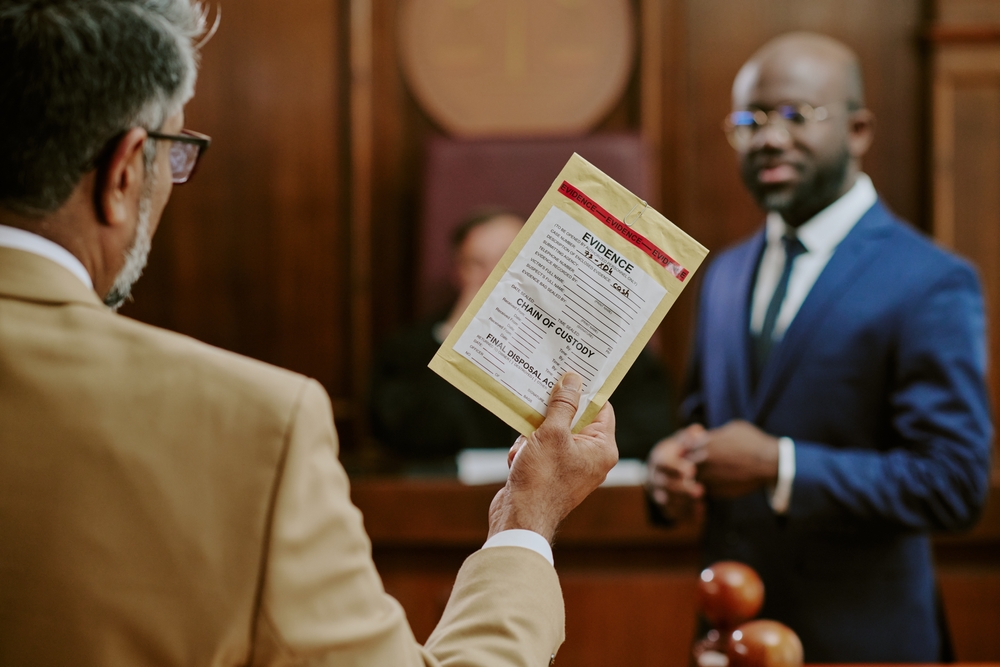
How an Experienced Attorney Uses Evidence to Build a Strong Personal Injury Lawsuit
An experienced attorney knows how to organize evidence into a clear and persuasive case. They also understand what additional documentation may strengthen your claim.
Conducting Independent Investigations
Attorneys often collect evidence beyond what appears in a police report.
They may interview witnesses, review surveillance footage, inspect the accident scene, and obtain records that support your case.
Working With Expert Witnesses
Some cases require specialized knowledge.
Medical experts, accident reconstruction specialists, engineers, and financial professionals can explain technical issues that help establish liability or calculate damages.
Negotiating With Insurance Companies
Insurance companies review evidence carefully before making a settlement offer.
A personal injury attorney presents documentation that supports your injuries, financial losses, and other damages while negotiating for fair compensation.
Preparing for Trial if Necessary
Many claims settle before trial, but attorneys prepare every case as though it could appear before a judge or jury.
Strong preparation often strengthens settlement negotiations long before a trial begins.
Common Mistakes That Weaken a Personal Injury Lawsuit
Some mistakes are easy to avoid but can still affect the outcome of a claim.
These include:
- Waiting too long to seek medical care
- Missing follow-up appointments
- Posting about the accident on social media
- Accepting a settlement before understanding the full extent of your injuries
- Losing important documents or receipts
- Failing to preserve photos, videos, or other evidence
Avoiding these mistakes helps keep your personal injury case evidence as strong as possible.
What Compensation Can Strong Evidence Help You Recover?
Strong evidence supports both liability and damages. The more clearly you document your losses, the easier it becomes to explain the compensation you’re requesting.
| Type of Compensation | How Evidence Supports the Claim |
| Medical Expenses | Medical records, bills, and treatment plans document the cost of care. |
| Lost Wages | Pay stubs, tax records, and employer documentation show lost income. |
| Future Medical Costs | Physician reports and expert testimony explain expected future treatment. |
| Pain and Suffering | Medical records, pain journals, photographs, and witness testimony help demonstrate the impact on daily life. |
| Emotional Distress | Mental health evaluations, counseling records, and personal journals support emotional damages. |
| Property Damage | Repair estimates, invoices, and photographs document damage to vehicles or other property. |
| Loss of Future Earning Capacity | Employment records and vocational or financial experts help estimate long-term financial losses. |
Build a Strong Personal Injury Lawsuit With the Right Evidence
A successful personal injury lawsuit starts with strong evidence. Medical records, photographs, witness statements, financial documents, and other records all help establish liability and support the compensation you seek.
For personal injury law firms, helping more injury victims often begins with better online visibility. LeadOrigin helps law firms connect with qualified clients through SEO, website optimization, paid advertising, and content marketing tailored to the legal industry.
Looking for a marketing partner who understands law firm marketing? Contact LeadOrigin today to learn how our team can help your firm reach more people who need legal representation.
Frequently Asked Questions
What is the strongest evidence in a personal injury lawsuit?
Medical records are often the strongest evidence because they connect your injuries to the accident, document your treatment, and explain how the injury has affected your life. Other important evidence includes photographs, witness statements, police reports, and financial records.
How much evidence do I need to win a personal injury lawsuit?
There isn’t a specific amount of evidence required. The goal is to present enough reliable evidence to prove negligence, demonstrate your damages, and support your version of events.
Can I still file a personal injury lawsuit without witnesses?
Yes. Witnesses can strengthen a case, but they’re not always required. Medical records, photographs, surveillance footage, police reports, and other evidence for a personal injury claim may still provide strong support.
Should I keep all receipts after an accident?
Yes. Save receipts for medical treatment, prescriptions, transportation, medical equipment, repair costs, and any other expenses related to the accident. These records help document your financial losses.
When should I contact a personal injury attorney?
It’s often helpful to contact a personal injury attorney as soon as possible after an accident. Early legal guidance can help preserve evidence, protect your rights, and strengthen your personal injury lawsuit from the beginning.