Owning a property means repairs are inevitable. The good news is that many expensive repairs can be avoided with regular preventative maintenance.
Preventative maintenance helps property owners catch small problems before they turn into expensive repairs, keeping buildings safer, more efficient, and easier to manage.
Following a building maintenance checklist can make it easier to stay on top of routine tasks and avoid costly surprises. This guide explains how preventive building maintenance works, what it should include, and how it can help reduce long-term property maintenance costs.
How Preventative Maintenance Reduces Property Maintenance Costs
Preventative maintenance is all about fixing small problems before they turn into expensive ones. Regular inspections and routine servicing help property owners avoid unexpected repairs and keep buildings running smoothly.
Prevents Small Issues from Becoming Major Repairs
A loose roof shingle or a small plumbing leak may not seem urgent, but ignoring it can lead to much bigger problems. Catching issues early usually means quicker and less expensive repairs.
Extends the Lifespan of Building Systems
Routine maintenance helps major systems last longer.
This includes:
- HVAC systems
- Roofing
- Plumbing
- Electrical systems
- Water heaters
Replacing these systems is expensive, so keeping them in good condition helps reduce long-term costs.
Reduces Emergency Repair Expenses
Emergency repairs often cost more because they happen without warning and usually need immediate attention.
Regular maintenance lowers the chances of sudden breakdowns, helping you avoid costly repairs and unexpected disruptions.
Common Areas That Need Preventative Maintenance
Some parts of a property need more attention than others. Checking these areas regularly can prevent many common repair issues.
| Area | What to Check |
| Roofing | Missing shingles, leaks, clogged gutters |
| HVAC | Air filters, coils, system performance |
| Plumbing | Leaks, drains, water pressure |
| Electrical | Wiring, outlets, breaker panels |
| Exterior | Siding, windows, doors, walkways |
| Landscaping | Trees, drainage, irrigation |
The Financial Benefits of Preventative Building Maintenance
Preventative maintenance takes planning, but it often costs much less than emergency repairs.
Lower Annual Repair Costs
Small repairs are usually less expensive than replacing damaged equipment or fixing major problems.
Improved Energy Efficiency
Well-maintained HVAC systems and building equipment often use less energy, helping reduce utility bills.
Reduced Insurance Claims
Keeping your property in good condition can reduce the risk of damage that leads to insurance claims.
Higher Property Value
A well-maintained property is more attractive to buyers, tenants, and investors.
Longer Asset Lifespan
Regular maintenance helps equipment and building systems last longer, delaying costly replacements.
Better Budget Forecasting
Routine maintenance makes expenses more predictable, making it easier to budget throughout the year.
Preventative Maintenance for Commercial Property Maintenance
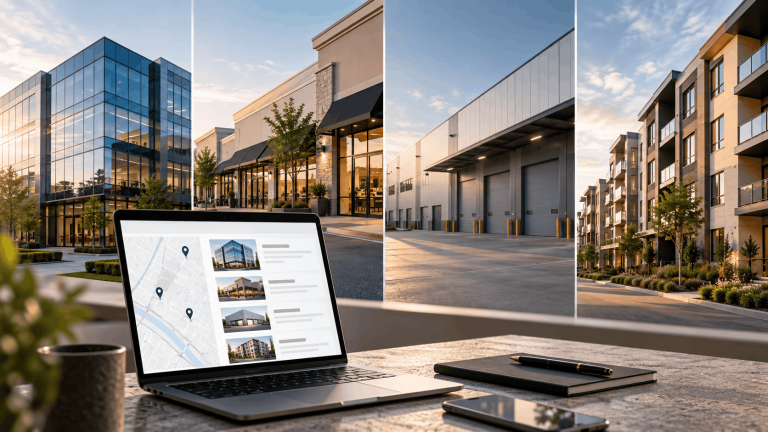
Every property has different maintenance needs, but the goal is the same: keep the building safe, functional, and in good condition. A regular maintenance plan helps reduce disruptions while protecting the property’s value.
Office Buildings
Office buildings benefit from regular HVAC servicing, lighting inspections, elevator maintenance, and common area upkeep. Keeping these systems running smoothly creates a better experience for tenants and visitors.
Retail Centers
Retail properties need to stay clean, safe, and welcoming. Routine maintenance should include parking lots, sidewalks, storefronts, lighting, restrooms, and landscaping.
Warehouses
Warehouses rely on equipment and building systems that see daily wear and tear. Regular roof inspections, loading dock maintenance, lighting checks, and HVAC servicing can help prevent costly downtime.
Industrial Facilities
Industrial properties often have more complex equipment and safety requirements. Preventative maintenance helps keep machinery operating efficiently while reducing safety risks and unexpected breakdowns.
Multi-Family Properties
Apartment buildings require ongoing attention to both private units and shared spaces. Common maintenance tasks include plumbing checks, HVAC servicing, exterior inspections, landscaping, and common area repairs.
Building a Preventative Maintenance Schedule
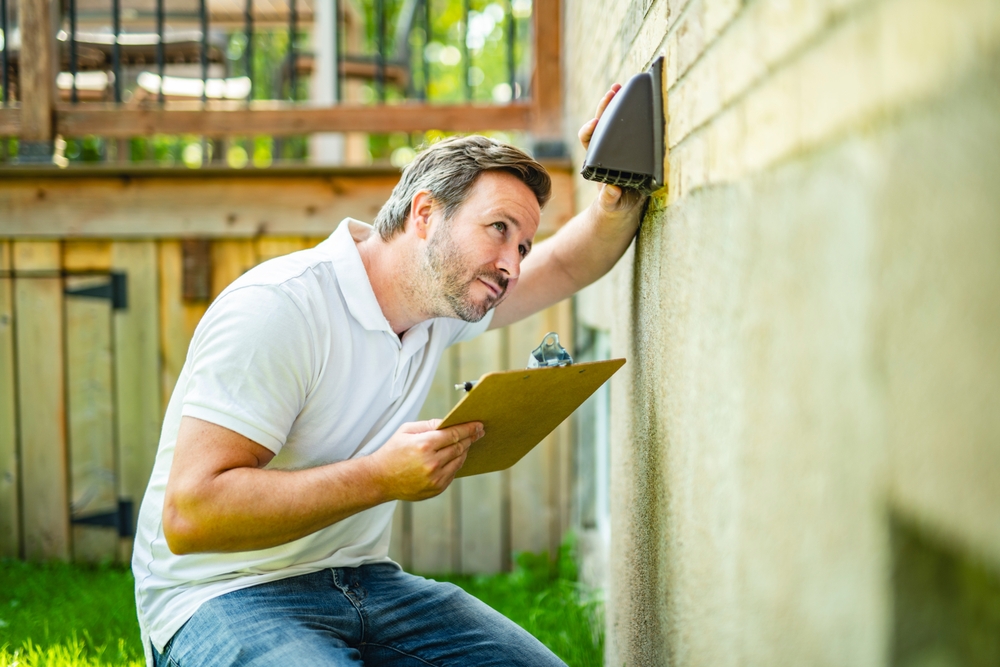
A maintenance schedule makes it easier to stay organized and catch small issues before they become bigger problems. Not every task needs to happen every week, so breaking maintenance into a schedule can save both time and money.
Daily Maintenance Tasks
These are quick checks that help identify problems early.
Examples include:
- Walk common areas
- Check lighting
- Remove safety hazards
- Respond to maintenance requests
Weekly Maintenance Tasks
Set aside time each week for routine upkeep.
This may include:
- Inspect landscaping
- Test exterior lighting
- Check for plumbing leaks
- Clean common areas
Monthly Maintenance Tasks
Monthly inspections help keep major systems in good working order.
Common tasks include:
- Replace HVAC filters
- Inspect fire safety equipment
- Check doors and locks
- Test backup lighting
Quarterly Maintenance Tasks
Every few months, inspect larger building systems.
Focus on:
- Roofing
- Plumbing systems
- Electrical panels
- HVAC performance
- Exterior walls and windows
Seasonal Maintenance Tasks
Changing seasons often bring new maintenance needs.
Spring and summer are good times to inspect landscaping, irrigation systems, and exterior paint. Before colder weather arrives, check heating systems, gutters, and weather seals around windows and doors.
Annual Building Inspections
Schedule a thorough inspection at least once a year.
Review the roof, foundation, HVAC system, plumbing, electrical components, and other major building systems. A yearly inspection can uncover issues that aren’t always obvious during routine maintenance.
Essential Preventative Maintenance Checklist for Property Owners
A simple checklist makes it easier to stay on top of regular maintenance.
| Area | Maintenance Task |
| Roof | Inspect for leaks and damaged shingles |
| HVAC | Replace filters and schedule servicing |
| Plumbing | Check for leaks and test water pressure |
| Electrical | Inspect outlets, wiring, and panels |
| Gutters | Remove leaves and debris |
| Exterior | Check siding, doors, windows, and walkways |
| Landscaping | Trim trees and maintain drainage |
| Safety Equipment | Test smoke detectors and fire extinguishers |
Signs You’re Falling Behind on Property Maintenance
It’s easy to postpone small repairs, especially when nothing seems urgent. Over time, though, those small issues can become much more expensive.
Some warning signs include:
- Frequent emergency repairs
- Rising maintenance costs
- Tenant complaints
- Water stains or leaks
- HVAC problems
- Cracks in walls or pavement
- Poor curb appeal
If you notice several of these issues, it may be time to review your maintenance schedule and catch up on overdue work.
Mistakes Property Owners Make with Preventative Maintenance
A few common mistakes can lead to expensive repairs that could have been avoided.
Waiting Until Equipment Fails
Replacing equipment after it breaks is almost always more expensive than maintaining it regularly.
Ignoring Small Repairs
Small leaks, loose shingles, or cracked caulking may seem minor, but they often lead to much larger problems if they’re ignored.
Skipping Routine Inspections
Problems that aren’t inspected usually aren’t discovered until they’ve already caused damage.
Regular inspections help catch issues while they’re still manageable.
Using Unqualified Contractors
Choosing the cheapest contractor isn’t always the best decision. Experienced professionals often complete repairs correctly the first time, helping prevent repeat problems.
Not Keeping Maintenance Records
Maintenance records make it easier to track repairs, monitor equipment, and plan future maintenance.
Good documentation can also be valuable for insurance claims and future property sales.
Delaying Seasonal Maintenance
Seasonal tasks are easy to put off, but waiting too long can increase the risk of weather-related damage and unexpected repairs.
When to Hire Professional Property Maintenance Services
Some maintenance tasks are easy to handle on your own, but others are best left to professionals. Hiring experienced property maintenance services can save time, improve safety, and help prevent costly mistakes.
It may be time to bring in a professional if:
- Repairs keep happening more often
- Building systems need specialized servicing
- You manage multiple properties
- You don’t have the time to keep up with maintenance
- Inspections reveal larger issues that need expert attention
A reliable maintenance team can also help you stay on schedule, making it easier to avoid unexpected breakdowns.
How to Choose the Right Property Maintenance Company
Not all maintenance companies offer the same level of service, so it’s worth doing a little research before making a decision.
Look for a company that has:
- Experience with properties like yours
- Licensed and insured technicians
- Clear communication
- Transparent pricing
- Positive customer reviews
- Preventative maintenance programs
- Fast response times for urgent repairs
Asking for references and reviewing the company’s maintenance process can also help you feel more confident in your decision.
Why Investing in Preventative Maintenance Pays Off
It’s easy to think of maintenance as another expense, but it’s really an investment in your property. Regular preventative maintenance helps protect your building, reduce repair costs, and keep tenants and occupants happy.
Over time, it can help you:
- Spend less on major repairs
- Extend the life of building systems
- Improve energy efficiency
- Maintain property value
- Plan maintenance costs more accurately
If you own or manage commercial properties, staying visible online is just as important as maintaining the building itself. Property owners often search online when looking for reliable maintenance providers and property management companies.
LeadOrigin helps property management and commercial service businesses grow through SEO, content marketing, paid advertising, and website optimization. A stronger online presence makes it easier for potential customers to find your business when they need your services most.
Want to generate more qualified leads for your property maintenance or property management business? Contact LeadOrigin to learn how digital marketing can help you grow.
Frequently Asked Questions
What is preventative maintenance?
Preventative maintenance is the routine inspection, servicing, and repair of a property to prevent small issues from becoming larger and more expensive problems. It helps keep building systems running efficiently while reducing unexpected repairs.
How often should preventative maintenance be performed?
It depends on the property and the system being maintained. Some tasks should be completed daily or weekly, while others are performed monthly, seasonally, or annually as part of a regular maintenance schedule.
How does preventative maintenance save money?
Preventative maintenance helps identify problems early, reducing the need for expensive emergency repairs. It also extends the lifespan of building systems, improves energy efficiency, and helps property owners plan maintenance costs more effectively.
What is included in a preventative maintenance program?
A preventative maintenance program typically includes routine inspections, HVAC servicing, plumbing and electrical checks, roof inspections, gutter cleaning, landscaping, safety equipment testing, and scheduled repairs based on the property’s needs.
Is preventative maintenance worth it for commercial properties?
Yes. Regular commercial property maintenance helps reduce downtime, lower repair costs, improve tenant satisfaction, and protect the long-term value of the property. It also makes budgeting more predictable by reducing unexpected maintenance expenses.