
Keyword Research for PPC is an essential process that guides advertisers in discovering relevant keywords to target for their pay-per-click advertising campaigns.
It’s not just about finding any keywords; it’s about finding the right keywords that potential customers use to search for similar products or services.
This guide goes into what PPC keyword research involves, its significance, key considerations for an optimal PPC strategy, and the differences between PPC and SEO keyword research.
What is PPC keyword research?

Are you wondering how to do keyword research for PPC? PPC keyword research is the foundation of any successful pay-per-click advertising campaign. It involves identifying and analyzing search terms that users enter into search engines when looking for information, products, or services.
The goal is to uncover relevant keywords that can be targeted to drive qualified traffic to a website or landing page. Effective PPC keyword research helps advertisers understand the market’s search behavior and discover competitive keywords that can yield significant returns.
Why does PPC keyword research matter?
PPC keyword research is crucial because it directly influences the click-through rate (CTR), quality score, and cost per conversion of your ads. By selecting the most relevant and strategic keywords, advertisers can ensure their ads appear to the right audience, enhancing the likelihood of clicks and conversions.
Additionally, understanding keyword competition and costs allows for better budget management and ROI optimization. In essence, thorough keyword research for Google PPC lays the groundwork for a successful PPC campaign by aligning ad content with the searchers’ intent.
Key Considerations for a Killer PPC Strategy
Developing a powerful PPC strategy requires more than just selecting random keywords. It demands a deep dive into search intent, search volume, and cost per click (CPC), among other factors.
Here’s what you need to know about these crucial considerations.
Search Intent
Search intent, or user intent, is the underlying purpose behind every search query. Understanding search intent is fundamental in choosing keywords that align with what the searcher is looking for.
There are typically four types of search intent: informational, navigational, transactional, and commercial investigation. By targeting keywords that match the user’s intent, advertisers can create more relevant and compelling ad copy, leading to higher conversion rates.
Search Volume
Search volume refers to the number of searches that a particular keyword receives within a given timeframe. High search volume keywords indicate strong interest or demand but often come with high competition and higher CPCs.
On the other hand, low search volume keywords might not drive significant traffic but can be more targeted and less competitive. Balancing between high and low search volume keywords based on budget and competition is a vital strategy in PPC campaigns.
CPC
The cost per click (CPC) is the amount an advertiser pays each time a user clicks on their PPC ad. CPC varies greatly based on the keyword’s competition level and search volume. Keywords with high commercial intent usually have higher CPCs due to their potential for conversion. A successful PPC strategy involves selecting keywords that not only fit the budget but also have a reasonable CPC in relation to their potential return on investment (ROI).
PPC vs. SEO Keyword Research
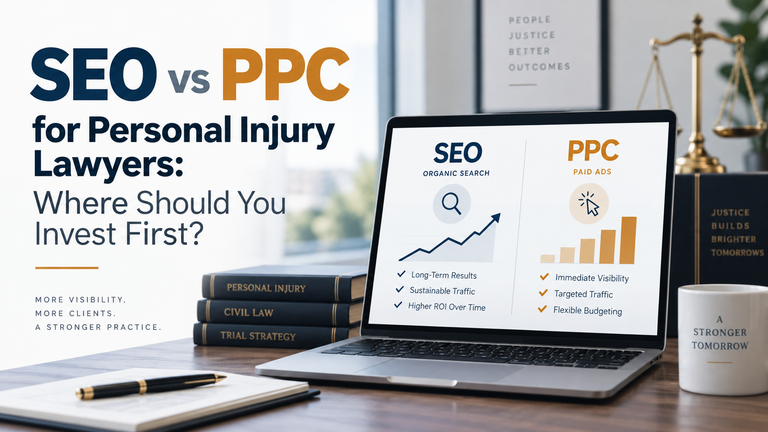
While both PPC and SEO keyword research for PPC campaigns aim to understand and target user search queries, they differ in their approach and emphasis. PPC keyword research often focuses on finding high-intent keywords that can drive immediate conversions and sales, considering factors like CPC and competition.
On the other hand, SEO keyword research tends to prioritize a broader range of keywords, including those relevant for generating organic traffic over time, focusing more on keyword relevance and search volume. Both strategies are integral to an overall digital marketing strategy but require different considerations and tactics to be effective.
How to Do PPC Keyword Research
How to do keyword research for PPC? Mastering PPC keyword research is a progressive journey that unfolds in several strategic steps. This process is critical for creating PPC campaigns that effectively attract your target audience and drive conversions. Each step is crucial in developing a strong foundation for your PPC efforts, from brainstorming initial ideas to monitoring and updating your campaigns.
Let’s unpack these steps to guide you through the process.
Start With a Brainstorm Session
Initiating your PPC keyword research with a brainstorming session is crucial. Think about your business, your products or services, and the possible search terms your potential customers might use. It’s helpful to consider the language and phrases your audience might use, not just industry-specific terminology. This initial list of keywords is a starting block for more in-depth research and refinement.
Dive Into Keyword Research
Once you have your initial list, dig deeper with keyword research to expand it. Utilize keyword research tools for PPC to discover related terms, variations, and phrases that you might not have considered. This step reveals the broader landscape of how people search for products or services in your niche, shedding light on opportunities that align with your business goals and user intent.
Examine Competitors’ Keywords
Investigating the keywords your competitors are targeting can provide insights into gaps in your own keyword list or highlight areas of high competition. By analyzing competitor keywords, you can identify potentially lucrative keywords you might have overlooked and adjust your strategy to effectively target these terms, balancing between competitive edges and niche opportunities.
Refine Your Keyword List
After broadening your keyword horizon, it’s time to refine your list. This involves evaluating the relevance, search volume, and competitive nature of each keyword. The goal is to prioritize keywords that balance high potential traffic and achievable competition levels, ensuring they align with your campaign goals and budget.
Organize Keywords Into Groups
Creating groups of related keywords can significantly increase the effectiveness of your PPC campaigns. Grouping similar keywords helps in tailoring ad copy and landing pages to specific searches, leading to higher ad relevance and potentially better campaign performance. Well-organized keyword groups enable more targeted campaigns, improving the user experience and conversion rates.
Adjust Keyword Matching Options and Negative Keywords
Adjusting keyword matching options allows you to control how closely a user’s search query needs to match your keyword for your ad to appear. Incorporating negative keywords is also crucial to exclude irrelevant traffic and ensure your budget is spent on keywords most likely to convert. This balance minimizes wasted spend and focuses your efforts on high-intent audiences.
Export Your Campaign
After thorough research and organization, export your PPC keyword campaign to your chosen advertising platform. This step transitions your keyword research into actionable campaigns ready to be launched.
Continuously Monitor and Update
The world of PPC is dynamic, making regular monitoring and updating necessary. Analyze the performance of your keywords and campaigns, replacing underperforming keywords and refining your strategy based on the latest data and trends. Keeping your keyword lists and campaigns fresh ensures ongoing relevance and efficiency in reaching your desired audience.
Best PPC Keyword Research Tools
Choosing the right tools can significantly enhance the efficiency and effectiveness of your PPC keyword research. Various platforms offer unique insights and data to refine your keyword strategy.
Let’s explore some of the top tools available.
Ahrefs
Ahrefs is a comprehensive SEO tool that excels in keyword research. It offers deep insights into keyword metrics, such as search volume, keyword difficulty, and click data. Ahrefs also allows users to conduct competitor analysis to uncover the keywords competitors are ranking for, making it an invaluable resource for identifying high-potential keywords and understanding market dynamics.
SEMRUSH

SEMRUSH is another powerful tool that offers extensive features beyond keyword research, including competitive intelligence and site audits. Its keyword magic tool provides access to a massive database of over 20 billion keywords, along with detailed information on competition, trend data, and CPC. SEMRUSH’s ability to offer strategic insights makes it a favorite among PPC professionals and marketers.
Google Keyword Planner
Google Keyword Planner is a free tool designed specifically for advertisers running campaigns on Google Ads. It helps identify keywords related to your business and provides forecasts and historical data on search volume, competition, and suggested bids. Integrating with Google Ads offers convenience and direct relevance for PPC campaign planning.
Keywords Everywhere
Keywords Everywhere is a browser extension that shows search volume, CPC, and competition data directly in the search results on Google, YouTube, Amazon, and other platforms. It’s a handy tool for quick keyword insights during searches, making the research process more efficient and integrated into daily browsing activities.
Each of these tools offers unique strengths and capabilities for PPC keyword research. Depending on your specific needs, budget, and the scale of your campaigns, selecting one or combining several of these tools can provide a solid foundation for your PPC keyword research efforts.
PPC Keyword Research FAQs

When venturing into the realms of Pay-Per-Click (PPC) advertising, numerous questions can arise, particularly regarding how it compares to Search Engine Optimization (SEO), its cost-efficiency, and the nuances of executing it effectively. Furthermore, identifying potent PPC keywords is crucial for the success of your campaigns.
Let’s delve into some commonly asked questions to unveil the intricacies of PPC keyword research.
Does PPC Affect SEO?
PPC does not directly impact your website’s SEO rankings. However, it complements SEO in digital marketing by increasing visibility and drawing traffic to your site more quickly. While SEO takes time to build organic search visibility, PPC can provide immediate results by placing your ads at the top of search engine results pages (SERPs). Additionally, insights from PPC campaigns, such as keyword effectiveness, can inform and refine your SEO strategies.
Is PPC Cheaper Than SEO?
The cost-effectiveness of PPC versus SEO depends on many factors, including the competitiveness of your industry and keywords. Generally, SEO is viewed as a long-term investment that can yield sustainable traffic without ongoing costs per click. In contrast, PPC requires payment for each click, but it can immediately boost traffic and lead generation. In short, SEO is typically more cost-efficient over time, while PPC offers a quicker return on investment.
Is PPC Easier Than SEO?
“Ease” is subjective and varies based on one’s expertise and resources. PPC can be perceived as easier due to its immediacy and straightforwardness in terms of paying for visibility. In contrast, SEO involves a myriad of factors, including content quality, backlinks, and technical optimization, requiring ongoing efforts. However, mastering PPC campaigns also demands deep understanding and continuous optimization to maximize ROI, displaying its own complexities.
How Do I Find Good PPC Keywords?
Finding effective PPC keywords involves several strategies:
- Use Keyword Research Tools: Leverage tools like Google Keyword Planner, SEMRUSH, or Ahrefs to discover keywords related to your business with substantial search volumes and attainable competition.
- Analyze Your Competitors: Investigate which keywords your competitors target for their PPC campaigns to identify potentially lucrative opportunities.
- Consider Your Audience: Reflect on the language and search queries your target audience might use. Understanding user intent is crucial.
- Test and Refine: Start with a broad list, then refine it based on the performance of your campaigns. Continuously test different keywords to find what works best.
Keyword Research Tools For PPC
Navigating keyword research for google PPC and understanding its relationship with SEO is fundamental for the success of any digital marketing campaign. While both PPC and SEO offer unique advantages and challenges, strategically aligning them can result in a robust online presence that drives both immediate and long-term business growth. Consulting with a professional digital marketing agency can be a game-changer if you find these processes daunting or wish to maximize your campaigns’ effectiveness. For businesses in and around Massachusetts, Lead Origin– a premier digital marketing agency in Boston, offers expert guidance and uses the best keyword research tools for PPC, which are tailored to your unique goals, ensuring your PPC and SEO efforts are not just aligned but thriving.