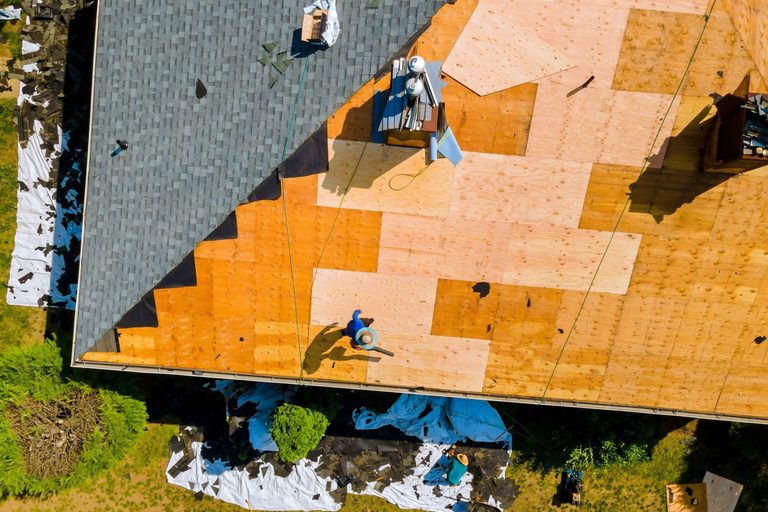
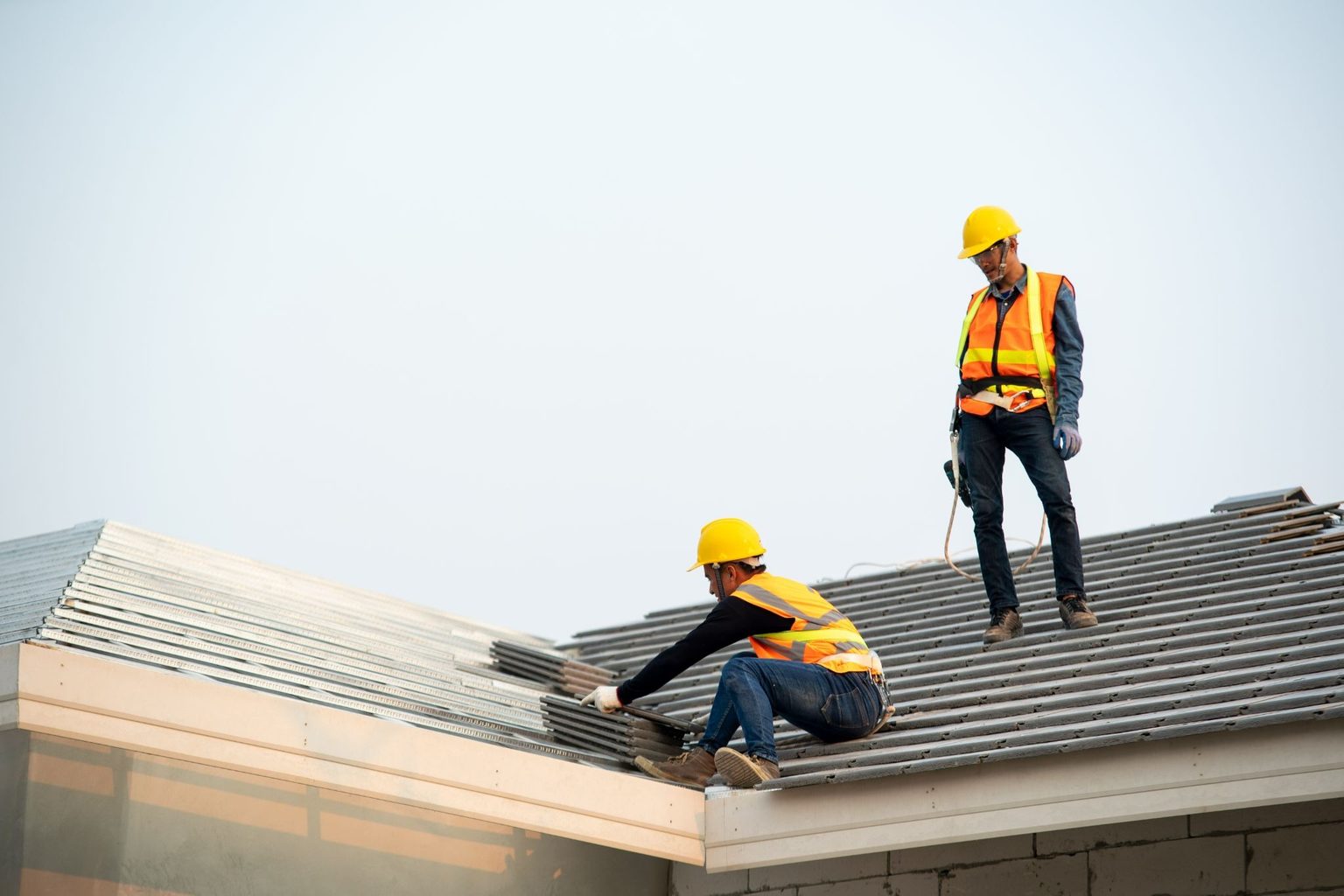
Storm season can quickly change what homeowners are searching for and how soon they need a roofer. A strong roofing marketing strategy helps contractors prepare for that demand, reach affected homeowners, and turn storm-related searches into inspections and roofing jobs. The key is having roofing advertising, local SEO, paid search, content, and follow-up ready before the next major storm arrives.
Here are 13 roofing marketing ideas companies can use before, during, and after storm damage season.
Why Roofing Marketing Matters During Storm Damage Season
Storms can create a sudden increase in demand for roof inspections, repairs, and replacements.
Roofing companies that already have their marketing in place are in a much better position to respond when those searches start.
How Storms Change Homeowner Search Behavior
Before a storm, a homeowner may search for general roof maintenance or signs of an aging roof. After hail, high winds, or severe weather, those searches can become much more urgent.
People may start looking for:
- Storm damage roof repair
- Hail damage roofer
- Roof inspection after storm
- Emergency roof repair
- Wind damage roof repair
- Storm damage roofing company
- Roof replacement after hail
These searches often come from homeowners with a specific problem they want someone to inspect.
Roofing lead generation during storm season should reflect that urgency without making the messaging overly aggressive.
The Importance of Preparing Your Roofing Marketing Strategy Before Storm Season
Waiting until a major storm hits can leave the marketing team scrambling.
Landing pages may need to be built. Ad campaigns may still need approval. Tracking might be incomplete. The website may not clearly explain storm damage services.
Preparing ahead gives roofing companies time to get those pieces ready.
Then, when demand increases, the company can focus on responding to homeowners rather than trying to build an entire storm damage marketing strategy overnight.
A good place to start is with the pages those homeowners will land on.
1. Create Storm Damage Landing Pages for Roofing Lead Generation
Someone searching for storm damage roofing probably does not want to dig through a general roofing website to find relevant information.
Give them a page built around the problem they are dealing with.
Roofing Landing Pages to Consider
Depending on the company’s services and market, useful pages might include:
- Storm damage roof repair
- Hail damage roof repair
- Wind damage roof repair
- Emergency roofing
- Storm damage roof inspection
- Roof replacement after storm damage
Each page can speak directly to a different need while guiding the homeowner toward the right next step.
What a High-Converting Roofing Landing Page Should Include
Keep the page focused and easy to scan.
Useful elements may include:
- Clear storm damage headline
- Types of damage handled
- Service areas
- Inspection information
- Customer reviews
- Project photos
- Relevant credentials
- Warranty information
- Phone number
- Simple inspection request form
- Clear call to action
A homeowner should be able to tell quickly what the company does, where it works, and how to request help.
Once those pages are ready, local search can help homeowners find them.
Read more: Landing Pages vs. Websites: What Converts Better for Lead Gen?
2. Strengthen Local SEO as Part of Your Roofing Marketing Strategy
Storm damage is local.
One neighborhood may be hit hard while another area a few miles away sees little damage.
Local SEO can help roofing companies focus their visibility on the places where they actually provide service.
Optimize Your Google Business Profile
Keep the company’s Google Business Profile accurate and current.
Check:
- Business name
- Phone number
- Website
- Hours
- Service areas
- Roofing services
- Photos
Continue earning genuine customer reviews and responding to feedback.
After a storm, the profile may be one of the first places a homeowner looks when comparing local roofers.
Target Local Storm Damage Roofing Keywords
Combine roofing services with local intent.
Examples might include:
- Storm damage roofer near me
- Hail damage roof repair in [city]
- Storm damage roof inspection in [city]
- Wind damage roofing contractor in [city]
- Emergency roof repair in [city]
The keywords should reflect the services the company actually provides and the areas it genuinely serves.
Build Location-Specific Roofing Content
Location pages can help roofing companies explain their services in individual cities or service areas.
Keep the content useful.
Include information about the roofing services available in that area, common local roofing concerns, service availability, and ways to request an inspection.
Local SEO can capture homeowners looking for a nearby contractor, while broader roofing SEO can reach people researching the damage itself.
Read more: Why Local SEO Is Critical for Service-Based Businesses
3. Use Roofing SEO to Capture Organic Storm Damage Leads
Not every homeowner clicks an ad.
Some will start with an organic search because they are trying to understand what happened to their roof.
Roofing digital marketing can reach those people before they have chosen a contractor.
Target High-Intent Roofing Keywords
Focus on terms that signal a real roofing need.
That might include:
- Signs of hail damage on roof
- Roof damage after storm
- Storm damaged shingles
- Wind damage roof repair
- Roof inspection after hail
- Does hail damage require roof replacement?
These searches can bring homeowners into the website while they are actively evaluating a problem.
Publish Helpful Storm Damage Content
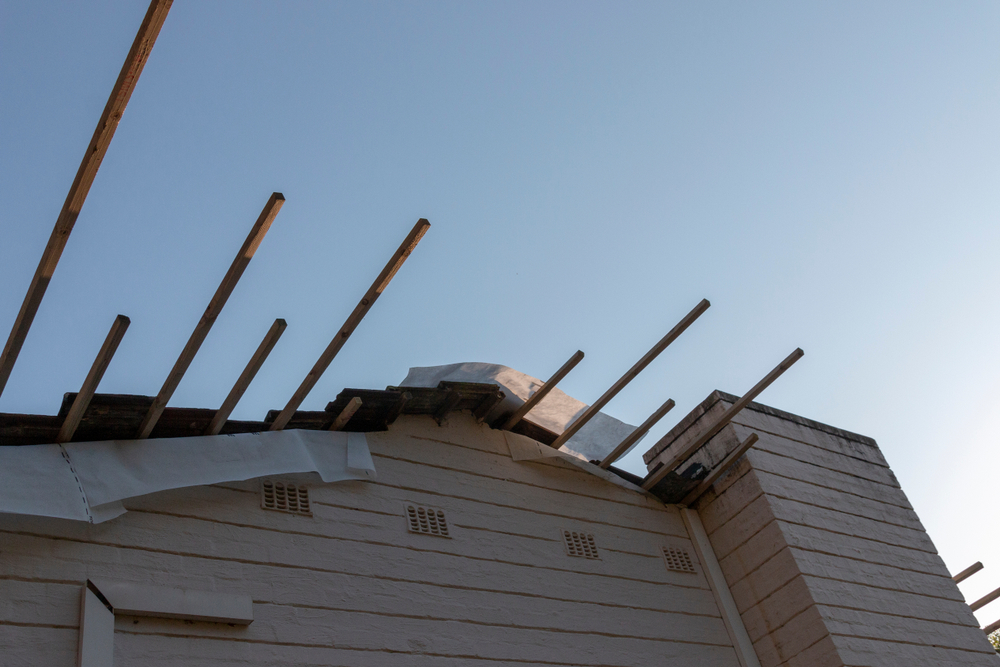
Answer the questions homeowners are likely to have.
Useful topics could include:
- How to check a roof after a storm
- Signs of hail damage
- What wind damage looks like
- When storm damage requires roof replacement
- What to do if a roof starts leaking after a storm
- How soon to schedule a roof inspection
Keep the content practical and avoid using fear to push homeowners into unnecessary work.
Add Internal Links to Roofing Service Pages
Educational content should give readers somewhere useful to go next.
An article about hail damage can link to the company’s storm damage inspection page. A guide about wind damage can point readers toward repair services.
This creates a natural path from research to contacting the roofing company.
For homeowners who are already ready to hire someone, paid search can shorten that path even further.
4. Run Google Ads for Storm Damage Roofing Leads
Google Ads can help roofing companies reach people searching for help immediately after severe weather.
The key is keeping the campaign focused on relevant searches, locations, and services.
Target High-Intent Roofing Advertising Keywords
Paid search keywords may include terms such as:
- Storm damage roofing company
- Hail damage roofer near me
- Emergency roof repair
- Storm damage roof inspection
- Wind damage roofing contractor
- Roof replacement after hail
Use negative keywords to filter searches that do not match the campaign.
This can help keep roofing advertising spend focused on homeowners who are more likely to need professional service.
Use Location Targeting Carefully
A storm may affect only part of a roofing company’s overall service area.
Adjust targeting based on where the damage occurred and where crews can realistically take jobs.
Broadening the campaign too far can bring in inquiries the company cannot efficiently serve.
Build Dedicated PPC Landing Pages
Send storm-related ads to storm-related pages.
Someone clicking an ad for hail damage inspection should land on a page that immediately talks about hail damage inspections.
Matching the keyword, ad, and landing page can create a clearer experience and make it easier for the homeowner to take the next step.
Google Ads are one paid option. Local Services Ads can provide another way to reach nearby homeowners.
5. Use Local Services Ads for Roofing Marketing
Eligible roofing contractors can use Google Local Services Ads as another part of their roofing marketing strategy.
Keep business information, services, hours, and service areas accurate. Make sure someone is available to respond when leads come in.
Then track what happens after each inquiry.
A campaign may generate plenty of storm damage roofing leads, but the more useful question is how many become inspections, estimates, and sold roofing jobs.
Paid search captures people actively looking for help. Social media can reach homeowners who may have damage but have not started searching yet.
6. Use Social Media for Storm Damage Marketing
After a major storm, homeowners may be talking about damage across local social media pages and community groups.
Roofing companies can use their own social channels to share useful information and show what they are seeing in the area.
Publish Educational Storm Damage Posts
Keep posts simple and helpful.
Topics could include:
- Signs of hail damage
- What to check after high winds
- What to do if the roof is leaking
- When to schedule an inspection
- How to temporarily protect a damaged area
- Questions to ask a roofing contractor
Useful information can build familiarity without making every post feel like an ad.
Use Before-and-After Roofing Project Content
Real project photos can show homeowners what storm damage looks like and how repairs or replacements are handled.
Photos might show damaged shingles, missing roofing materials, flashing damage, or completed work.
Use customer and property images only with appropriate permission.
Run Geo-Targeted Social Advertising
Social ads can focus on neighborhoods or areas affected by severe weather, subject to the targeting options available on the platform.
The message should stay helpful.
A simple invitation to schedule an inspection can work better than dramatic messaging that makes homeowners feel pressured. For existing contacts, email and SMS offer another way to share timely information.
Read more: How to Master Instagram Ad Targeting: A Guide

7. Use Email and SMS for Roofing Lead Generation
Past customers and existing leads already know the roofing company.
After severe weather, a short message can remind them what to look for and how to request help.
Storm Follow-Up Campaign Ideas
Messages might include:
- “Was your roof affected by last night’s storm?”
- Signs of hail damage to check for
- How to spot missing shingles
- What to do if a leak appears
- How to schedule a storm damage inspection
- Service availability updates
Keep the message short and useful.
Avoid overwhelming customers with repeated storm promotions.
Strong outreach can generate attention, but homeowners are still likely to check the company’s reputation before booking.
8. Build an Online Reputation Before Storm Season
Reviews are much easier to build gradually than all at once after a storm.
A roofing company with plenty of recent customer feedback already has useful trust signals in place when demand increases.
Generate More Google Reviews
Make review requests part of the normal customer follow-up process.
After a successful roofing job, send customers an easy way to leave honest feedback.
A steady flow of genuine reviews can give future customers a better idea of what working with the company is like.
Highlight Reviews Related to Storm Damage Roofing
If customers specifically mention hail damage, storm repairs, inspections, communication, or emergency service, those reviews may be especially relevant during storm season.
Feature genuine testimonials naturally on related website pages where appropriate.
Visual content can add another layer of reassurance.
9. Create Storm Damage Roofing Videos
Some roofing problems are easier to explain when homeowners can actually see them.
Short videos can show examples of hail damage, lifted shingles, missing materials, leaks, or other storm-related issues.
Roofers can also answer common questions on camera.
Topics might include:
- What hail damage looks like
- How wind can damage shingles
- What happens during a roof inspection
- Repair vs replacement after a storm
- What homeowners should do after severe weather
Keep videos simple and useful rather than turning every one into a sales pitch.
Optimize Roofing Videos for Local Search
Use clear titles and descriptions that explain what the video covers.
When relevant, mention the actual service area or storm event naturally.
Videos can be shared on the company’s website, social channels, Google Business Profile where supported, and other relevant platforms.
People who watch but do not contact the company immediately can still be reached again later.
10. Use Roofing Remarketing Campaigns
Roof replacement and major storm repairs can take time to decide.
A homeowner may visit the website after a storm, read about hail damage, and leave without requesting an inspection.
Remarketing can keep the roofing company visible while that person continues researching.
Ads can highlight:
- Customer reviews
- Inspection services
- Recent projects
- Financing options
- Warranty information
- Educational storm damage content
Keep remarketing relevant to what the homeowner originally viewed.
Digital campaigns can generate plenty of opportunities, but local professional relationships can create another source of storm damage roofing leads.
11. Build Referral Partnerships for Storm Damage Roofing Leads
Roofing companies often work around other local businesses serving the same homeowners.
Potential referral relationships may include contractors, property managers, real estate professionals, restoration companies, and other relevant local businesses.
The goal should be a genuine professional relationship rather than simply asking everyone for leads.
Clear communication and reliable service make those partnerships much easier to maintain.
No matter how someone finds the company, the website still needs to turn interest into action.
12. Improve Your Roofing Website’s Conversion Rate
Storm season can increase website traffic quickly.
Make sure the site is ready for it.
A homeowner should not have to click through several pages to figure out how to request help.
Make It Easy to Request a Roof Inspection
Give visitors a clear next step.
That could be:
- Request a roof inspection
- Schedule an estimate
- Call for storm damage service
- Request a callback
Keep forms simple, especially for mobile visitors.
The company can collect additional information once contact has been made.
Add Trust Signals
Help homeowners understand who they are considering hiring.
Useful trust signals may include:
- Customer reviews
- Licences
- Insurance information
- Manufacturer certifications
- Warranties
- Years in business
- Local project photos
- Service areas
- Clear contact information
Keep these details easy to find rather than hiding them at the bottom of the site.
Optimize the Website for Mobile Users
Many homeowners will search for roofing help from a phone, especially immediately after a storm.
Pages should load quickly, text should be easy to read, and buttons should be easy to tap. Phone numbers and inspection requests should also be simple to access. Once the website and campaigns are running, tracking shows which efforts are actually paying off.
13. Track Your Roofing Marketing Campaign Performance
Storm season can produce a lot of activity, which can make weak campaigns look stronger than they really are.
Do not judge performance by clicks and leads alone.
Roofing Marketing Metrics to Monitor
Useful roofing marketing metrics may include:
- Website traffic
- Calls
- Form submissions
- Cost per lead
- Qualified lead rate
- Inspection requests
- Appointment rate
- Estimate rate
- Close rate
- Cost per sold job
- Revenue by campaign
- Conversion rate by channel
These numbers help connect roofing digital marketing activity with actual business results.
Track Which Roofing Marketing Channels Generate Actual Jobs
A social campaign may generate lots of clicks while paid search produces fewer leads but more sold roofs.
SEO may take longer to build but continue generating opportunities well after the storm has passed.
Follow each lead far enough to know what happened.
The goal is to understand which campaigns bring in actual roofing revenue, not simply which dashboard has the biggest numbers.
Good tracking can also make common storm-season mistakes easier to spot.
Common Roofing Marketing Mistakes During Storm Season
High demand can tempt roofing companies to move quickly without paying enough attention to the details.
Common mistakes include:
- Waiting until after the storm to prepare campaigns
- Using overly broad geographic targeting
- Sending every ad to the homepage
- Using aggressive or fear-based messaging
- Ignoring negative keywords
- Failing to answer leads quickly
- Advertising services the company cannot currently support
- Neglecting mobile website performance
- Tracking leads without tracking sold jobs
- Running the same message in every market
- Letting reviews and business information become outdated
Storm damage marketing works better when the company already has the basics in place.
That means preparation should start well before severe weather shows up in the forecast.
How to Build a Roofing Marketing Plan Before the Next Storm
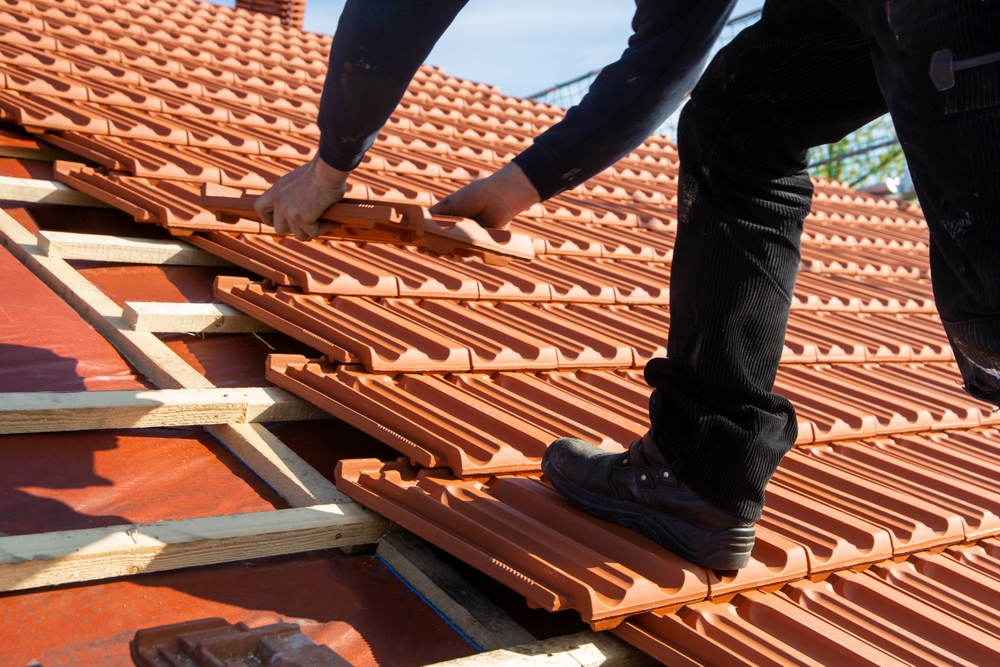
Storm-season roofing company marketing can be broken into three stages: preparation, immediate response, and follow-up.
Each stage has a different job.
Before Storm Season
Get the foundation ready.
Roofing companies can:
- Build storm damage landing pages
- Prepare paid search campaigns
- Strengthen local SEO
- Update Google Business Profile
- Improve website conversion paths
- Build customer reviews
- Prepare email and SMS templates
- Create educational content
- Set up call and form tracking
Having these pieces ready makes it much easier to respond when demand changes.
Immediately After a Storm
Once severe weather affects the service area, focus on relevance and response.
Update geographic targeting, activate appropriate campaigns, share useful storm information, contact existing customers when appropriate, and make sure the team can handle incoming calls and inspection requests.
Keep messaging factual and helpful.
Homeowners may already be dealing with enough stress.
After the Initial Demand Slows Down
Some homeowners will act immediately. Others may wait weeks or months.
Keep useful content available, continue remarketing where appropriate, follow up with existing leads, publish completed projects, request customer reviews, and review campaign performance.
This is also a good time to identify what worked and what should change before the next storm.
Turn Storm Damage Demand Into Long-Term Roofing Growth
Storm season can create a short-term jump in roofing demand, but good roofing marketing should keep working after the weather clears.
The strongest approach connects storm damage campaigns with local SEO, roofing advertising, content, reviews, remarketing, lead tracking, and ongoing roofing lead generation. That gives roofing companies ways to reach homeowners during the immediate rush while continuing to build local visibility for future work.
LeadOrigin helps roofing companies connect roofing digital marketing with the leads, inspections, and jobs those campaigns generate. Want to be ready before the next storm hits? Contact our team here at LeadOrigin to build a roofing marketing strategy that can turn local demand into qualified opportunities and long-term growth.
Frequently Asked Questions
What is the best roofing marketing strategy during storm season?
A strong storm-season roofing marketing strategy combines local SEO, Google Ads, Local Services Ads where available, storm damage landing pages, social media, reviews, remarketing, and fast lead follow-up. The right mix depends on the roofing company’s market, services, budget, and ability to handle new jobs.
How do roofing companies generate storm damage leads?
Roofing companies can generate storm damage roofing leads through paid search, local SEO, Local Services Ads, Google Business Profile, social media, email, SMS, referrals, educational content, and remarketing. Campaigns should focus on affected service areas and homeowners actively looking for inspections, repairs, or replacements.
When should roofing companies start marketing for storm season?
Roofing companies should prepare before storm season begins. Landing pages, SEO content, ad campaigns, tracking, review strategies, and customer communication can all be set up ahead of time so campaigns are ready when severe weather affects the service area.
How can roofing companies stand out from competitors after a storm?
Roofing companies can differentiate themselves with clear communication, fast response times, genuine customer reviews, useful storm damage information, real project examples, relevant credentials, and a simple inspection process. Helpful messaging can also build trust when homeowners are dealing with a stressful situation.
How much should roofing companies spend on storm damage marketing?
There is no universal storm damage marketing budget. Roofing companies should base spending on local competition, lead costs, average project value, close rates, profit margins, available crews, and cost per sold job. Campaigns should be adjusted based on qualified leads and revenue rather than traffic or lead volume alone.