
Influencer content in e-commerce growth helps brands reach new customers, build trust, and turn product recommendations into sales. Through creator reviews, product demonstrations, and social media videos, influencer marketing for e-commerce gives shoppers a chance to see products in action before buying. But getting results takes a little planning beyond sending free products to creators and hoping for the best.
Here’s how influencer content works, where to use it, and how to build a strategy that supports actual business growth.
What Is Influencer Content in E-Commerce?
Influencer content refers to photos, videos, reviews, tutorials, and other promotional materials created by social media personalities or content creators to introduce products to their audiences. Brands can use this content to increase awareness, demonstrate product benefits, and encourage purchases.
The content may appear on an influencer’s social media account, a brand’s own channels, or in paid advertising, depending on the collaboration agreement.

How Influencer Content Differs From Traditional E-Commerce Advertising
Traditional e-commerce advertising typically features brand-produced visuals and messaging. Influencer content presents products through a creator’s perspective, often using a conversational tone and familiar social media formats.
A skincare brand, for example, might run a polished product advertisement alongside a creator’s morning skincare routine. Both promote the same product, but they give shoppers different ways to understand its benefits.
The Difference Between Influencer-Generated Content and User-Generated Content
Influencer-generated content comes from creators who collaborate with brands, often through paid partnerships, gifted products, or affiliate arrangements. User-generated content (UGC) generally comes from customers sharing their own experiences, although some brands also commission UGC-style content.
The distinction is important because not every creator has an established audience. Some produce content primarily for brands to publish, while influencers may provide both creative assets and access to their followers.
Why Consumers Trust Influencer Recommendations
People often find recommendations useful when they come from creators whose interests, experiences, or expertise they relate to.
Seeing someone use a product can also answer practical questions that product descriptions may leave unanswered. However, trust depends on transparency and credibility. Clearly disclosed partnerships and realistic product experiences are important for maintaining that relationship.
Why Influencer Content Is Important for E-Commerce Growth
E-commerce brands need ways to introduce products to potential customers and give shoppers enough information to make purchasing decisions. Influencer content for e-commerce brands can support both goals while creating useful marketing assets.
Increasing Brand Awareness and Product Visibility
Influencers introduce products to audiences that may not already follow the brand. A creator with an engaged audience in a relevant niche can help a product reach shoppers who are likely to be interested in it.
Audience relevance often matters more than follower count alone.
Building Customer Trust Through Authentic Content
Creator content can show how a product looks, feels, or performs in everyday situations. This gives potential customers additional context beyond polished product photography.
Credible recommendations work better when creators can share genuine experiences rather than simply repeat advertising claims.
Driving More Traffic to E-Commerce Websites
Influencer posts can direct interested shoppers to online stores through profile links, Stories, product tags, affiliate links, or promotional codes.
The easier it is for someone to move from the content to the relevant product page, the fewer unnecessary steps stand between discovery and purchase.
Improving Product Discovery and Purchase Decisions
A product demonstration can help customers understand sizing, application, features, or practical benefits before buying.
For products that need explanation, seeing someone use them may be particularly valuable during the consideration stage.
Supporting Customer Engagement and Brand Loyalty
Influencer collaborations can encourage conversations, questions, and continued interest around a product.
Longer-term creator relationships may also help customers become familiar with the brand over time, especially when the content remains useful and relevant.
How Influencer Content Drives E-Commerce Sales and Conversions
Influencer content can contribute to sales by helping shoppers understand products and feel comfortable making a purchase. The strongest opportunities often come from connecting useful creator content with a clear shopping experience.
Creating Social Proof Through Product Reviews and Testimonials
Reviews and testimonials show potential buyers how other people have experienced a product.
A creator discussing what they liked, how they used the item, and who might benefit from it can provide context that helps shoppers evaluate their options. Honest limitations can make the review feel more credible too.
Demonstrating Product Benefits Through Real-Life Experiences
A fitness creator showing workout equipment in use or a beauty creator demonstrating an application technique can make product benefits easier to understand.
These examples help shoppers picture how an item might fit into their own routines.
Encouraging Purchases With Influencer Recommendations
Recommendations can motivate interested customers to take the next step, particularly when the creator provides a clear product link or relevant offer.
Discount codes and affiliate links can also make purchases easier to track, although not every influenced sale will happen through those links.
Using Influencer Content on Product Pages and Landing Pages
Creator videos and testimonials can remain useful after the original social media post has been published.
With the appropriate permissions, brands can feature influencer content on product pages and landing pages to answer common questions and give shoppers another perspective before checkout.
Turning Social Media Engagement Into E-Commerce Sales
Likes and comments are useful engagement signals, but they don’t automatically translate into revenue.
Brands need relevant landing pages, working links, clear product information, and a convenient checkout process to turn social interest into completed purchases.
Read more: 10 Benefits of Influencer Marketing
Types of Influencer Content That Help E-Commerce Brands Grow
Different formats serve different purposes. The right choice depends on the product, target audience, and stage of the buying journey.
Product Reviews and Unboxing Videos
Reviews help shoppers evaluate product features, while unboxing videos show packaging, presentation, and first impressions.
These formats can be particularly useful for products customers want to examine closely before purchasing.
Influencer-Generated Short-Form Videos
Short-form videos can introduce products quickly through demonstrations, relatable scenarios, or concise explanations.
They also give brands flexible creative assets for social platforms and, with appropriate rights, paid advertising.
Social Media Posts and Stories
Feed posts can provide lasting product exposure, while Stories are useful for timely promotions, product announcements, and direct shopping links.
Brands can use both formats to support different campaign goals.
Product Tutorials and Demonstrations
Tutorials show customers how to use a product properly and what to expect.
For products involving multiple steps, demonstrations can reduce confusion and help potential buyers understand their value.
Lifestyle and Product-in-Use Content
Lifestyle content shows products in realistic settings, such as clothing worn during a normal day or home accessories used in an actual living space.
This helps customers imagine how the product could fit into their lives.
Live Shopping and Shoppable Influencer Content
Live shopping allows creators to demonstrate products and respond to audience questions in real time.
Shoppable posts can also connect content directly to product listings where supported by the platform, making the path to purchase shorter.
Influencer Testimonials and Customer Success Stories
Testimonials and success stories can highlight specific customer experiences or outcomes.
Brands should ensure that claims are accurate, appropriately disclosed, and representative rather than presenting unusual experiences as guaranteed results.
How to Build an Effective E-Commerce Influencer Marketing Strategy
An effective e-commerce influencer marketing strategy starts with clear goals and the right creator partnerships. Choosing someone based only on follower count can leave brands with plenty of impressions but little understanding of what the campaign accomplished.
Define Your E-Commerce Marketing Goals
Decide what you want the campaign to achieve before contacting creators. Goals may include introducing a product, increasing qualified website traffic, generating sales, or producing content for future advertising.
Clear objectives make it easier to choose creators and measure results.
Identify Your Target Audience and Preferred Platforms
Consider who buys your products, what interests them, and where they spend time online.
A creator with a smaller but relevant audience may be a stronger fit than someone with a large following that has little connection to your product category.
Choose the Right Influencers for Your E-Commerce Brand
Review audience demographics, engagement quality, previous collaborations, content style, and how naturally the creator discusses products.
Look beyond polished profiles. Consistent audience interaction and genuine relevance can tell you a lot about whether the partnership makes sense.
Develop Clear Influencer Content Guidelines
Provide product information, campaign objectives, required disclosures, key messages, deadlines, and any claims the creator must avoid.
Leave room for the creator’s own voice. A collaboration loses much of its appeal when every sentence sounds like it came directly from the brand’s advertising department.
Select the Right Influencer Content Formats
Choose formats based on the campaign objective. Tutorials may work well for products requiring explanation, while short-form videos can support discovery.
Product reviews, Stories, and testimonials can serve different purposes throughout the campaign.
Repurpose Influencer Content Across Marketing Channels
With the appropriate usage rights, influencer-generated content can support paid social ads, product pages, emails, and landing pages.
Agree on licensing, duration, permitted channels, and any editing rights before reusing creator assets.
Track Campaign Performance and Optimise Results
Use tracking links, promotional codes, analytics, and platform reporting to evaluate performance.
Review which creators, messages, and formats contribute to useful business outcomes, then apply those findings to future collaborations.
How to Use Influencer-Generated Content Across E-Commerce Marketing Channels
One of the practical advantages of influencer content is that it can support several marketing channels after its initial publication.
Influencer Content for Social Media Advertising
Brands can use licensed creator videos and images in paid social campaigns to test different product messages and visual approaches.
Depending on the platform and permissions, partnership advertising formats may also allow ads to appear in association with the creator’s identity.
Influencer Videos for E-Commerce Product Pages
Product pages can feature creator demonstrations that show how an item works, fits, or looks in everyday use.
These videos can complement product descriptions and photography, especially when customers have practical questions before purchasing.
Creator Testimonials for Landing Pages
Relevant testimonials can support campaign landing pages by giving visitors an additional perspective on the advertised product.
Place them near the information they help explain rather than adding them simply for decoration.
Influencer Content in Email Marketing Campaigns
Creator images, videos, and testimonials can give promotional emails a fresh angle.
For example, an email introducing a product might feature a short creator demonstration alongside a link to the relevant product page.
Influencer Content for Retargeting Campaigns
Retargeting campaigns can use creator reviews or demonstrations to address questions that interested shoppers may still have.
Someone who has already viewed a product may benefit from seeing it used rather than receiving another nearly identical product advertisement.
Shoppable Influencer Content for Social Commerce
Where supported, product tags and shopping features can help customers move from creator content to product information or checkout.
Brands should make sure linked products, pricing, and availability remain accurate.
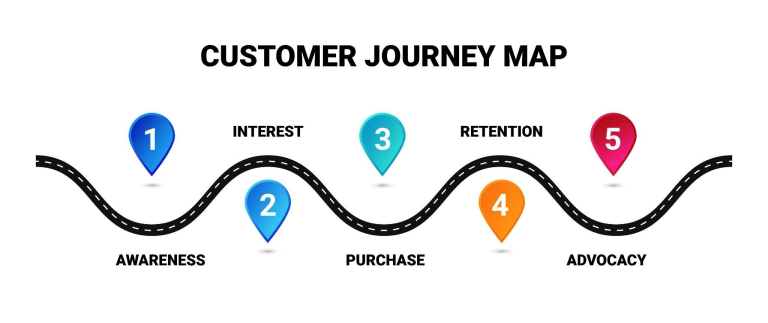
The Role of Influencer Content in the E-Commerce Customer Journey
Influencer content can support customers at several stages, from first discovering a product to recommending it to someone else.
Awareness Stage: Introducing Products to New Audiences
Creators can introduce a brand to relevant audiences through entertaining, educational, or product-focused content.
The immediate goal is often to generate interest rather than demand an instant purchase.
Consideration Stage: Building Trust Through Reviews and Demonstrations
Once shoppers are interested, reviews and tutorials can help them evaluate the product.
This is where practical details, realistic experiences, and clear explanations become particularly valuable.
Conversion Stage: Encouraging Customers to Complete Purchases
Product links, creator recommendations, promotional offers, and helpful testimonials can encourage interested shoppers to buy.
The content should connect to a convenient shopping experience.
Retention Stage: Strengthening Customer Relationships
After a purchase, tutorials and product tips can help customers get greater value from what they bought.
Continued creator collaborations can also keep the brand relevant between purchases.
Advocacy Stage: Turning Customers Into Brand Supporters
Satisfied customers may eventually share their own experiences, reviews, and recommendations.
Brands can encourage this participation through customer engagement and appropriate community initiatives without pressuring people to provide positive feedback.
How to Measure Influencer Marketing ROI for E-Commerce Brands
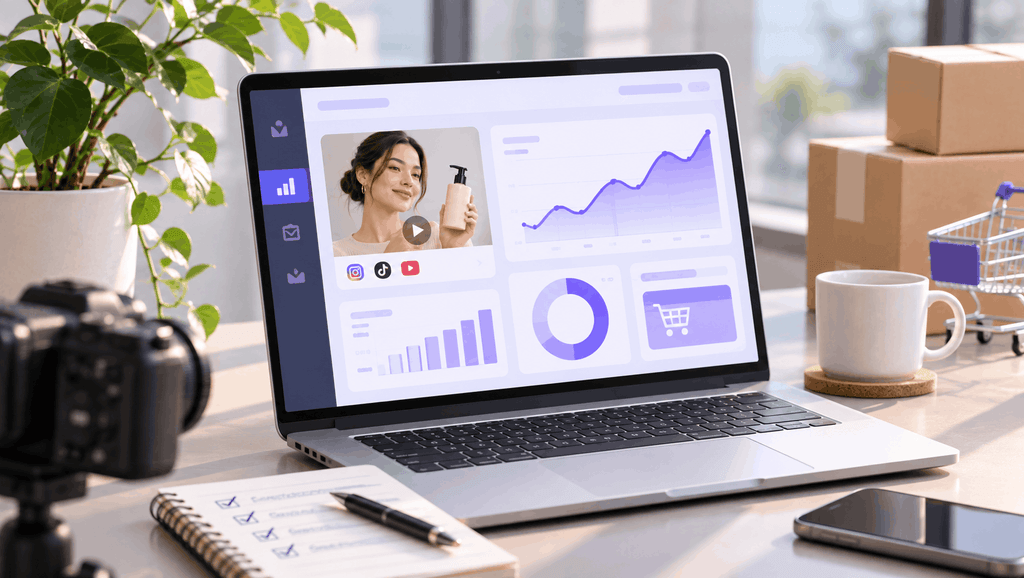
Measuring influencer marketing ROI requires looking beyond follower counts and likes. The goal is to understand what the campaign contributed and whether the investment supported your business objectives.
Engagement Rate and Audience Reach
Reach shows how many people encountered the content, while engagement helps indicate audience interaction.
Comments, shares, saves, and other interactions can provide useful context, but they should be interpreted alongside the campaign’s goals.
Website Traffic and Referral Sources
Use tagged links and analytics to track visits generated by influencer campaigns.
Review traffic quality as well as volume. A smaller number of engaged visitors may be more valuable than a large audience that leaves immediately.
Conversion Rate and Sales Attribution
Track purchases, conversion rates, and revenue associated with influencer traffic.
Attribution can be imperfect because customers may discover a product through a creator and purchase later through another channel. Promotional codes and tracking links help, but they won’t capture every influenced sale.
Customer Acquisition Cost (CAC)
Customer acquisition cost compares the amount spent acquiring customers with the number of new customers gained.
For influencer campaigns, include relevant creator fees, production expenses, and paid distribution costs when calculating campaign-level acquisition efficiency.
Return on Investment (ROI) and Return on Ad Spend (ROAS)
ROI evaluates the return relative to campaign investment, while ROAS compares attributed advertising revenue with advertising spend.
For influencer campaigns, calculate these metrics consistently and distinguish creator fees from paid media costs where necessary. A campaign may also produce reusable creative assets whose value extends beyond the initial promotion.
Influencer Content Performance Across Marketing Channels
Compare how the same creator assets perform on social media, product pages, emails, and paid campaigns.
A video that generates modest engagement organically may still perform well as an advertisement or help shoppers understand a product on its landing page.
Read more: Influencer Marketing ROI: How to Measure & Maximize Performance
Common Challenges of Influencer Marketing for E-Commerce Brands
Influencer marketing can create valuable opportunities, but it also introduces challenges that brands should plan for.
Common issues include:
- Finding creators whose audiences genuinely match the target market
- Maintaining authentic messaging while meeting brand requirements
- Managing deadlines, approvals, and content deliverables
- Tracking sales when customers interact with several marketing channels
- Securing appropriate content usage and advertising rights
- Keeping creator claims and sponsorship disclosures compliant
- Evaluating performance beyond vanity metrics
Clear agreements, realistic expectations, and consistent reporting can make these challenges easier to manage. Brands should also review creator partnerships regularly rather than assuming every collaboration will perform the same way.
The Future of Influencer Content in E-Commerce Marketing
Influencer marketing continues to develop alongside changes in social platforms, content production, and online shopping behaviour.
The Growth of Short-Form Video and Social Commerce
Short-form videos and shopping features can help customers discover products and move toward purchasing within familiar social experiences.
Brands will need content that communicates useful product information quickly without sacrificing accuracy.
The Increasing Role of Micro-Influencers and Niche Creators
Smaller creators can offer access to highly specific communities and interests.
For e-commerce brands, audience relevance and engagement quality may be stronger selection criteria than follower count alone.
AI-Powered Influencer Content Creation and Optimisation
AI tools can assist with editing, captions, content variations, and campaign analysis.
However, brands should be careful about using AI to alter creator appearances, experiences, or endorsements without appropriate consent. Authenticity remains an important part of the relationship between creators and audiences.
The Rise of Performance-Driven Influencer Marketing
Brands are increasingly able to connect creator activity with measurable outcomes through affiliate links, promotional codes, partnership ads, and analytics.
This can help teams evaluate collaborations based on business results alongside reach and engagement.
Integrating Influencer Content Into Omnichannel E-Commerce Strategies
Influencer content can become a recurring part of social advertising, product pages, email marketing, and customer engagement rather than remaining limited to one-off sponsored posts.
The opportunity is to create a connected experience where creator content supports customers throughout the buying journey.
LeadOrigin helps e-commerce brands connect influencer content with broader digital marketing strategies, from campaign planning and creative development to paid advertising and performance optimization. The goal is to make creator partnerships useful across the customer journey while keeping marketing decisions tied to measurable business objectives.
Ready to turn creator content into a stronger part of your e-commerce marketing strategy? Contact LeadOrigin to discuss how influencer content can support your next campaign.
Frequently Asked Questions
What Is Influencer Content in E-Commerce?
Influencer content in e-commerce includes product reviews, demonstrations, videos, testimonials, and social media posts created by influencers or content creators to promote online products. Brands can use this content to increase awareness, support purchase decisions, and encourage sales.
How Does Influencer Content Help E-Commerce Brands Grow?
Influencer content helps e-commerce brands reach relevant audiences, build trust through product experiences, generate website traffic, and support purchasing decisions. It can also provide reusable marketing assets for product pages, social media advertising, and email campaigns when the brand has appropriate usage rights.
What Types of Influencer Content Generate the Most E-Commerce Sales?
Product demonstrations, credible reviews, tutorials, and creator recommendations can help drive e-commerce sales because they show how products work and address customer questions. Performance varies by product, audience, platform, and campaign, so brands should test formats and measure actual conversions.
How Can Small E-Commerce Businesses Benefit From Influencer Marketing?
Small e-commerce businesses can work with niche creators or micro-influencers to reach relevant audiences without necessarily pursuing expensive celebrity partnerships. They can also use licensed creator content across their own marketing channels to get additional value from each collaboration.
How Do You Choose the Right Influencers for an E-Commerce Brand?
Choose influencers based on audience relevance, engagement quality, content style, credibility, and experience with similar products. Review previous collaborations, assess audience demographics, and confirm that the creator can meet your campaign goals, content requirements, and disclosure obligations.