
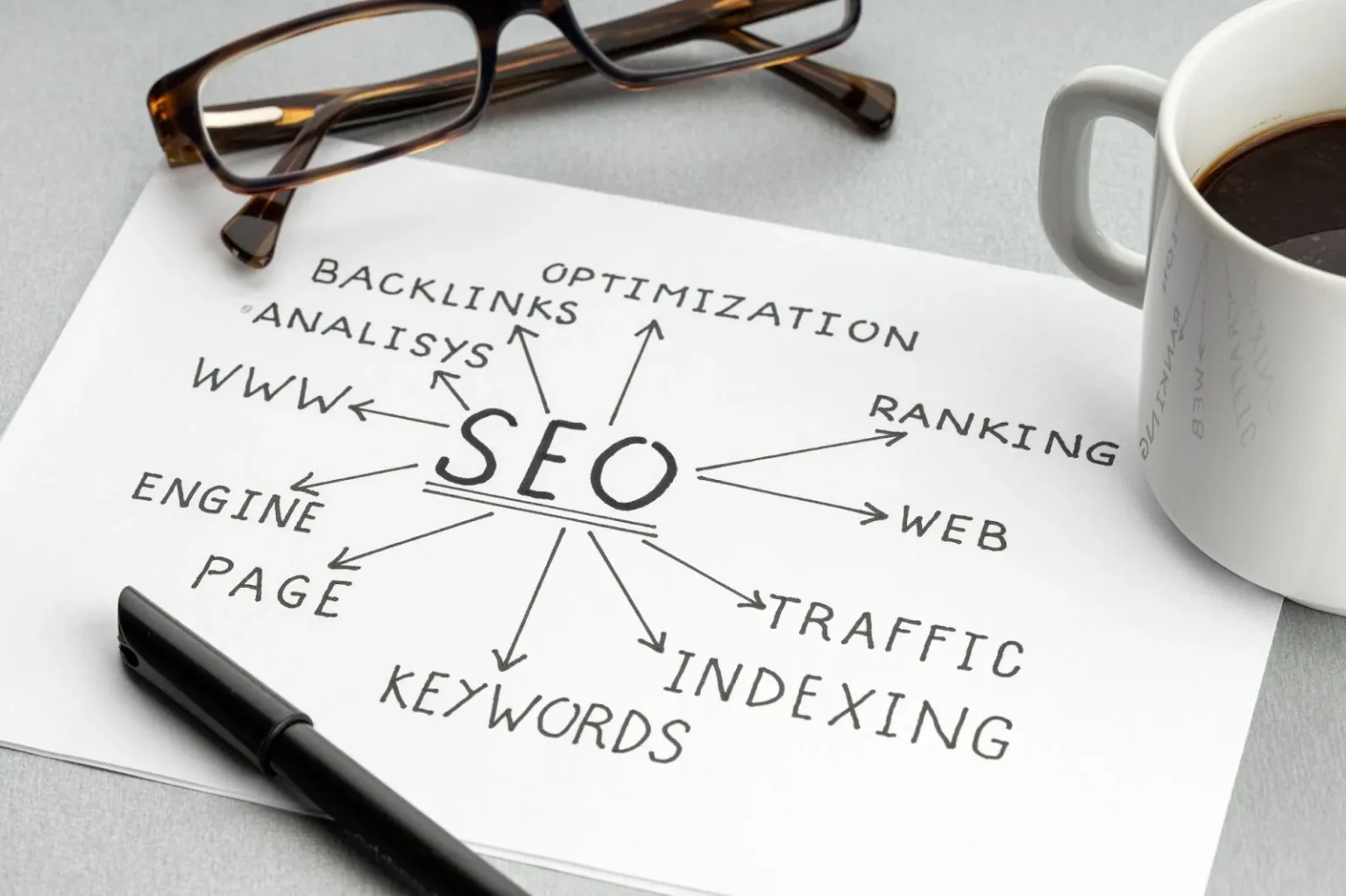
Search engine optimization changes constantly, but the myths around it stick like glue. Some of these myths come from old strategies that once worked but have long since faded out. Others come from so-called “SEO gurus” who recycle half-truths as advice. When these happen, businesses could end up wasting time, hurting their rankings, or missing out on growth opportunities.
If you’ve ever wondered which SEO tips are worth following and which are better left behind, this guide will clear it up. We’ll go through the biggest SEO myths debunked in 2025 so you can keep your strategy sharp.
Why SEO Myths Are So Dangerous for Your Website
Can SEO myths truly hurt your numbers? Unfortunately, SEO myths aren’t just harmless misunderstandings anymore, because they can derail your strategy and create long-term problems for your site.
How Misinformation Leads to Bad SEO Strategies
Following the wrong advice often means putting energy into things that don’t move the needle. For example, chasing keyword density numbers instead of focusing on user intent wastes effort that could go into better content.
The Role of Outdated Advice in Lower Rankings
A common SEO myth is that what worked five years ago still works today. Search engines evolve fast, and advice from 2018 might actually hurt your site in 2025.
Why Blindly Following “SEO Gurus” Can Backfire
Not every confident voice online has data to support it. Trustworthy claims are essential for avoiding penalties or losing rankings.
The Most Common SEO Myths Debunked
It’s easy to fall for search engine optimization myths because they sound logical. Let’s look at the most common ones and why they don’t hold up.
“Keyword Stuffing Boosts Rankings”
Over-optimization hurts more than it helps. Loading a page with the same keyword over and over used to trick search engines. Today, it signals spam. Content should read naturally and prioritize user experience.
“Link Building is Dead”
Don’t listen to any guru who says link building is outdated. Links are still one of Google’s strongest ranking signals. Quality backlinks from trusted sites matter more than ever.
“Publishing More Pages Always Means Better Rankings”
Quality beats quantity, even in SEO. More content doesn’t guarantee success. A smaller number of well-researched, high-value pages often performs better than a site filled with thin or duplicate content.
“You Can ‘Set and Forget’ SEO”
SEO isn’t a one-time project, so don’t treat it like one. Algorithms, competitors, and user behavior keep changing. Regular updates and audits are necessary to stay competitive.

Local SEO Myths That Cost Businesses Customers
Local SEO myths often keep small businesses from competing effectively in their own neighborhoods.
“Local SEO is Only for Brick-and-Mortar Stores”
Are you a service business? Don’t think local SEO serves you as much as it serves brick-and-mortar stores. Service-based businesses, from plumbers to consultants, can also benefit from local SEO. Showing up in local searches means more visibility to customers nearby.
“Google Business Profile Doesn’t Affect Rankings”
Your Google Business Profile influences local rankings. Optimizing it can help your business outperform competitors in map results.
“Reviews Don’t Impact SEO” – The Overlooked Ranking Factor
Many people think reviews are solely about reputation, so they often end up being an overlooked ranking factor. Positive reviews send strong trust signals to search engines, which can help your visibility.
Technical SEO Myths That Hold Back Your Site’s Performance
Technical SEO myths can be the most challenging to identify, but they often have the greatest impact on performance.
“Page Speed Doesn’t Affect Rankings”
Your site may be visually appealing, but if it takes forever to load, visitors will likely leave quickly. Page speed impacts both user experience and search engine rankings. A slow site means higher bounce rates and fewer conversions.
“Mobile Optimization Can Wait”
Ignoring mobile-first indexing is a mistake. Google now indexes mobile versions of websites first. If your mobile site isn’t optimized, your rankings can take a hit.
“HTTPS is Optional”
Security is actually an SEO requirement. In fact, HTTPS is a confirmed ranking factor, and sites without it look untrustworthy to users.
Content SEO Myths That Mislead Marketers
Content myths spread quickly because the field of content marketing is constantly evolving. Here are common content SEO myths that often mislead marketers.
“Short Content Always Performs Better”
Short posts can work for certain searches, but long-form, in-depth content often ranks higher. It provides context and answers multiple user questions at once.
“Duplicate Content Always Gets You Penalized”
It might seem like it, but duplicate content doesn’t trigger automatic penalties. Search engines usually pick the version they believe is most relevant. The real issue is wasted opportunity when multiple pages compete for the same keyword.
“Meta Descriptions Don’t Matter Anymore”
Don’t forget your meta descriptions. Meta descriptions may not directly affect rankings, but they influence clicks. A well-written description improves visibility in search results and boosts engagement.
How to Avoid Falling for SEO Myths in 2025
So now that you know which SEO “tips” are actually myths, what can you do about it? SEO myths 2025 will keep popping up, but you don’t have to fall for them.
Check Advice Against Google’s Official Guidelines
Google publishes documentation that explains what matters most in search. Cross-checking advice against these guidelines helps separate fact from fiction.
Follow Reputable SEO Studies and Data-Driven Insights
Trust research from reputable SEO companies that run tests and analyze results. These studies reveal what’s actually working today.
Regularly Audit and Update Your SEO Strategy
Even the best strategy needs fine-tuning. Regular audits catch problems early and keep your site aligned with current best practices.

FAQs on SEO Myths
SEO can be confusing, so we’ve answered a few common questions.
- Do SEO myths really hurt rankings?
Yes, following incorrect advice can waste time, mislead your strategy, and harm your performance.
- What’s the biggest SEO myth in 2025?
One of the biggest is the belief that keyword stuffing still works. Search engines now prioritize context and intent over repetition.
- How do I know if advice is an SEO myth?
Check if the source cites data or Google’s guidelines. If it’s vague or overly simplified, it’s probably a myth.
- Are local SEO myths different from general ones?
Yes, local SEO myths focus on business visibility in maps and location-based searches. Ignoring these can result in lost local traffic and customers.
Building a Smarter SEO Strategy with LeadOrigin
SEO myths can hinder even the most successful businesses. The good news is that with the right partner, you can avoid falling into traps and focus on strategies that actually work.
To ensure your campaigns don’t fall prey to false SEO strategies, partner with a leader in the SEO industry, such as LeadOrigin. We help small and medium-sized businesses across Houston, Dallas, Austin, and Silicon Valley cut through search engine optimization myths and build SEO strategies that drive actual results. As an SEO agency and industry leader in web design and development, we deliver websites built to perform and campaigns that support your growth.
Visit us at any of our offices at 2100 W Loop S #1400, Houston, TX 77027, and 228 Hamilton Ave. Suite 325, Palo Alto, CA 94301. If you’re ready to stop chasing SEO myths and start building a strategy that lasts, connect with us today.