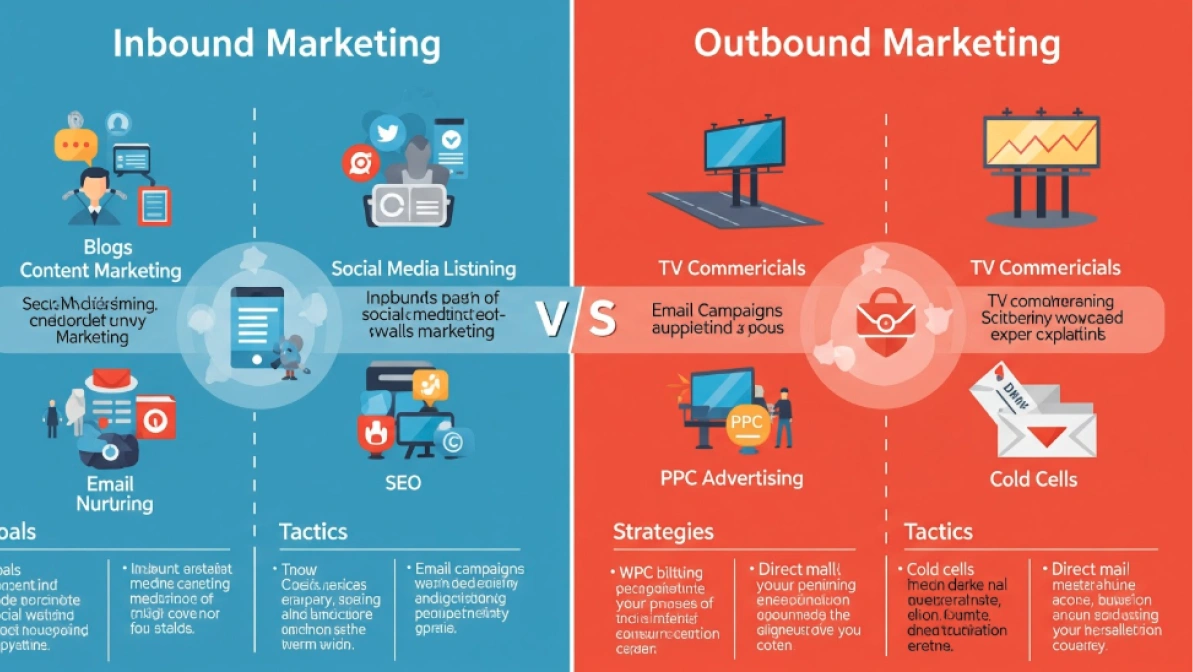
Marketing comes in many forms, but the two broad categories most businesses use are inbound and outbound. These approaches are different in how they attract customers and guide people through the buyer journey. Some companies lean heavily into creating content that draws attention organically, while others prefer direct outreach that sparks quicker interactions.
Both methods can work well—it all depends on your goals, audience, and resources. In this article, we’ll explore inbound vs outbound marketing, explain the difference between inbound and outbound marketing, provide examples of each, and help you decide how to use them in your growth strategy.
What Is Inbound Marketing?
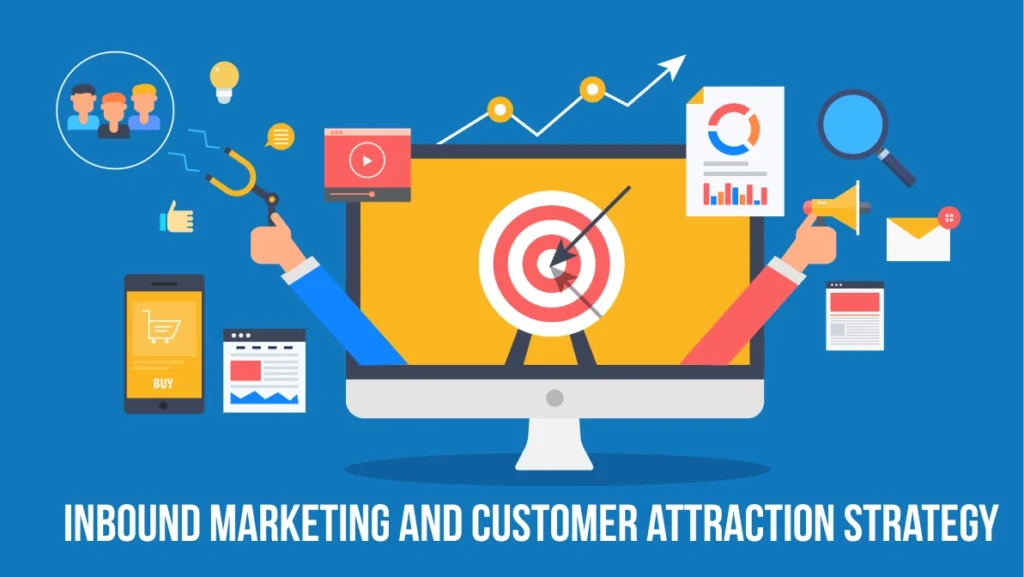
Inbound marketing is a strategy built around attracting potential customers by creating useful, relevant content that helps them solve a problem or learn something new. Rather than pushing your message in front of strangers, inbound invites people in when they’re ready and looking for information.
As one of the most effective digital marketing types, inbound works particularly well for companies that want to build lasting relationships with their audience. People engage with your brand because they find value in what you’re sharing—not because you interrupted them with an ad or a cold email.
Common Inbound Tactics
Here are some of the most effective inbound marketing strategies used today:
- Content marketing
Think blogs, videos, tutorials, or downloadable guides. These resources answer questions your audience is already asking. When done right, content marketing helps people find you and trust you before they ever speak to a salesperson.
- SEO and organic search
Search engine optimization is all about helping your content show up when someone types a relevant question or problem into Google. When your site ranks well, you attract people who are already interested in what you offer.
- Email nurturing
Once someone expresses interest, email lets you continue the conversation. This might look like sending useful tips, product updates, or personalized offers over time.
- Social media engagement
Sharing posts, commenting, replying to messages, and joining conversations all help build a community around your brand. Social platforms are a natural place to connect with people who like your content.
- Webinars and lead magnets
Offering something of value, like a free webinar, checklist, or industry report, in exchange for an email address is a great way to grow your list and start building relationships with people genuinely interested in your brand.
What Is Outbound Marketing?

Outbound marketing takes a more direct approach. Instead of waiting for someone to find your brand, you reach out to them first. This method is often used to introduce your business to new audiences or generate fast awareness.
Outbound works well when you’re launching something new, entering a competitive space, or simply want more control over who sees your message and when.
Common Outbound Tactics
Let’s take a look at several classic and modern outbound marketing examples:
- Cold calling and cold emailing
These are classic outbound techniques. Sales reps reach out to potential customers with tailored messages, hoping to spark interest or set up a conversation.
- Direct mail
Sending printed materials like brochures, postcards, or catalogs gives your brand a physical presence. It can feel more personal, especially when done creatively.
- Paid advertising
From Google Ads and social media campaigns to TV spots and print ads, paid media puts your message in front of a larger audience. It’s useful for brand exposure and quick results.
- Trade shows and events
These in-person experiences allow you to meet prospects, show off your product, and build real-time connections. They’re also a good space for networking and gathering leads.
- Purchased email lists
Buying access to a targeted list lets you send marketing messages to a wider pool of potential customers. While this tactic can be risky if overused, it can work with the right message and targeting.
Differences Between Inbound and Outbound Marketing
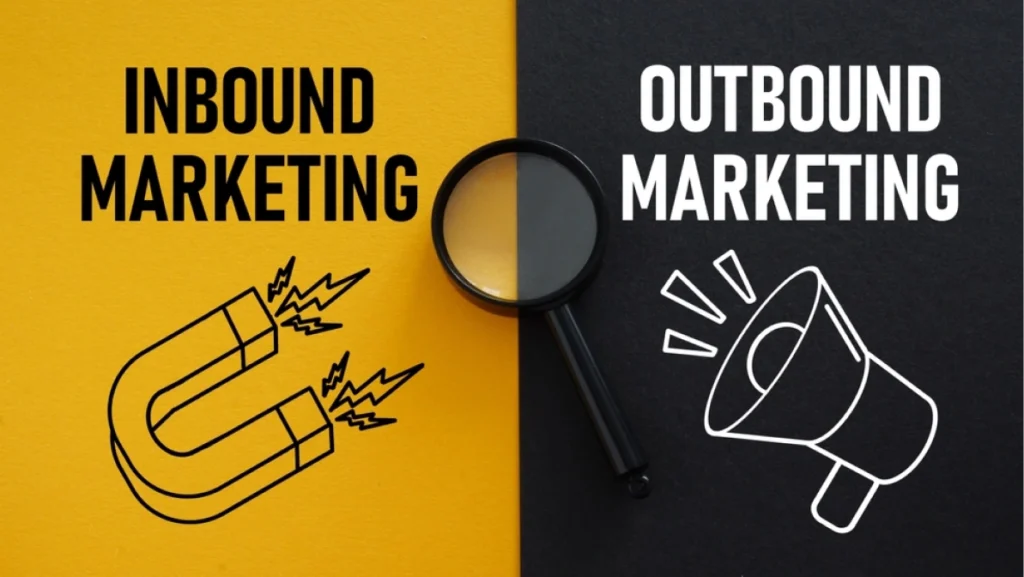
Although both approaches are designed to generate leads and grow your business, they function very differently in how they engage with potential customers. Below is a breakdown of the inbound vs outbound marketing comparison across several important areas.
Approach
Inbound marketing focuses on creating value and pulling in prospects who are already interested. Outbound marketing focuses on pushing your message out to people who may not know your brand yet.
Cost
Inbound often has lower upfront costs, especially if you already have content or a marketing team. Outbound tends to require more immediate spending, particularly for ads, mailing, or event sponsorship.
Targeting
Inbound targets people based on their intent, behaviors, or searches. Outbound targets based on demographics, industry, or a purchased list, regardless of current interest.
ROI Timeline
Inbound marketing delivers returns over time. As your content and authority grow, so do your results. Outbound marketing is built for quicker wins, providing faster but less sustainable spikes in traffic or leads.
Customer Interaction
Inbound leads tend to be more engaged because they found you by choice. Outbound leads may be less familiar with your brand, which can lead to lower engagement unless your message is highly relevant.
Pros and Cons of Inbound Marketing
Inbound marketing has become more popular in recent years, and for good reason. Still, like any method, it has its trade-offs.
Pros
Inbound marketing builds long-term relationships by earning trust through valuable content. It brings in high-quality leads, improves search rankings, and supports consistent brand visibility.
Cons
Inbound takes time to work. You’ll need a steady stream of content and a strong SEO strategy before seeing results. If your business needs fast leads, inbound alone might not be enough.
Pros and Cons of Outbound Marketing
Outbound is often viewed as more traditional, but it still plays an important role in modern marketing strategies.
Pros
Outbound marketing gets your message in front of a large audience quickly. It’s useful when launching a product, entering new markets, or filling a short-term pipeline.
Cons
Outbound can be costly and often yields lower engagement. If your targeting or messaging isn’t sharp, it’s easy to get ignored or marked as spam. Overuse can also lead to poor brand perception.
When to Use Inbound, Outbound, or Both
There’s no rule that says you can only use one. In fact, many businesses see better results when they blend the two, depending on their goals and stage of growth.
Inbound
Go with inbound if you’re focused on building long-term authority, educating your audience, and converting leads who are already showing interest. This is a great fit for B2B companies with longer sales cycles or consultative offerings.
Outbound
Choose outbound if you need to get in front of people quickly. Outbound works well for product launches, special offers, and campaigns where awareness is the primary goal.
Hybrid Approach
For most companies, a mix of inbound and outbound works best. You can run paid ads to promote your blog content or follow up with inbound leads using direct outreach. Combining push vs pull marketing tactics creates more touchpoints and helps guide prospects through the journey from awareness to action.
Finding the Right Strategy for Your Business
Understanding inbound vs outbound marketing helps you make better decisions about where to focus your time, budget, and creative efforts. Both approaches offer value. It’s just a matter of how and when you use them. The right mix of inbound vs outbound lead generation depends on your goals, your audience, and how quickly you need to see results.
LeadOrigin partners with brands to create tailored strategies that align with specific goals and audiences. Some businesses focus on content-driven growth, others prioritize targeted outreach, and many benefit from a combination of both. Our team brings the experience and tools needed to build a marketing plan that delivers measurable results.
We proudly serve businesses from our offices in Houston, TX (2100 W Loop S #1400) and Palo Alto, CA (228 Hamilton Ave Suite 325). If you’re ready to explore the best marketing strategies for B2B growth, get in touch with us and let’s talk about how inbound and outbound can work together for your brand.