

People spend so much time browsing on their phones that a website really only gets a few seconds to make a good impression. Ever tapped on a site that took too long to load or felt impossible to navigate? Most of us back out right away. A smooth mobile experience can make or break that first click, which is why mobile first web design has become the smarter way to build modern websites.
Instead of squeezing a desktop layout onto a tiny screen, the mobile first approach starts with the device people actually use the most and scales up from there. Everything feels cleaner, faster, and easier to tap through because the design is built with real user habits in mind.
If you’ve ever wondered what mobile first design really means or how it helps your website perform better, this guide walks you through the basics and shows how brands use it to create sites people genuinely enjoy exploring.
What Is Mobile First Web Design?
Mobile first design starts by creating the simplest, most essential version of your website for mobile users. Since smaller screens have limitations, this method forces you to focus on content clarity, navigation, and user experience before adding more complex elements for tablets and desktops.
Definition and Core Principles
Mobile first web design means designing for the smallest screen before expanding to larger ones. The goal is to build a website that is clean, fast, and easy to use on mobile while maintaining strong functionality as the layout adjusts for bigger devices. Content hierarchy, loading efficiency, and thumb-friendly controls are core principles of this approach.
Why Mobile First Matters in Today’s Digital Landscape
Most online traffic comes from mobile devices, which means your visitors often see the mobile version before anything else. A mobile first website creates a strong first impression, reduces bounce rates, and improves usability. When your design starts with mobile users in mind, your site becomes more inclusive, user-friendly, and performance driven across every screen.
Mobile First vs. Responsive Web Design
Mobile first and responsive web design often get mixed up, but they serve different purposes. Knowing how they relate helps you build a stronger user experience.
Understanding the Difference
Responsive design adjusts layouts automatically as screens get larger or smaller. Mobile first design is a philosophy that guides how you structure the site, starting with mobile needs first. You can have a responsive site without a mobile first mindset, but the reverse isn’t true.
Why a Mobile First Approach Enhances Responsiveness
A mobile first approach naturally leads to better responsiveness because it requires simplicity and clarity from the start. As you scale a mobile layout upward, the design expands gracefully instead of struggling to shrink large desktop elements down. This creates smoother transitions and a more polished experience on all devices.
Key Principles of Mobile First Responsive Design
Mobile first and responsive web design work together to create a website that feels consistent wherever it’s viewed. To do this well, several principles help guide the process.
Prioritize Content Hierarchy
On mobile, space is limited, so content needs to be arranged in a clear order of importance. Your main message, calls to action, and essential features must be easy to see and understand. Strong hierarchy ensures users don’t miss key information.
Optimize Navigation and Layout
Menus should be simple, intuitive, and easy to tap. Cluttered navigation slows users down, so keeping navigation clean improves engagement. Layout choices, like collapsible menus and touch-friendly buttons, help mobile users browse effortlessly.
Focus on Speed and Performance
Mobile users expect sites to load quickly. Mobile first responsive design encourages lighter assets, efficient coding practices, and optimized images. Faster load times lead to better SEO, higher conversions, and a smoother overall experience.
Ensure Readability and Accessibility
Text should be easy to read without zooming, colors should be high contrast, and buttons should be large enough to tap comfortably. Mobile first website design supports accessibility by making sure content is clear for users of all abilities.
Best Practices for Mobile First Website Design
Building a great mobile first website starts with simple, practical decisions that make the experience easier for real users.
Start with Mobile Wireframes
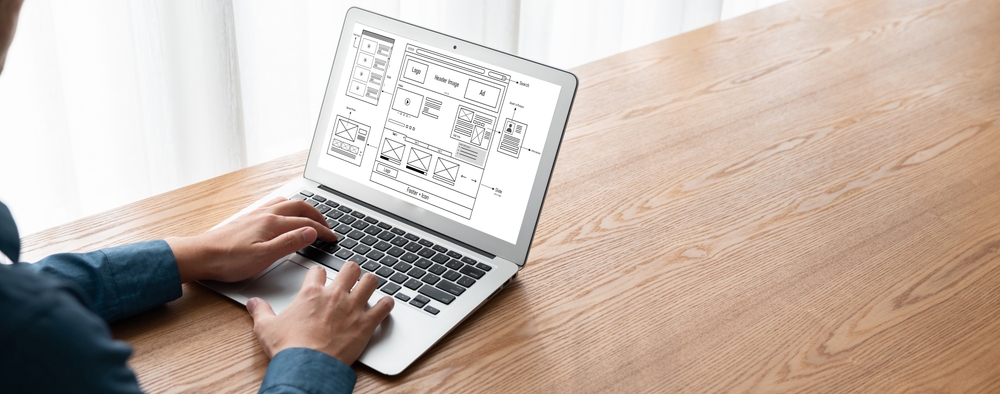
It helps to sketch out your mobile layout before anything else. This gives you a clear picture of what users will see first, what content matters most, and how they’ll move around your site. Wireframes act like a roadmap, keeping everything organized before you add visuals or interactions.
Progressive Enhancement for Larger Screens
Once your mobile version feels right, you can start adding touches for tablets and desktops. This might mean introducing wider layouts, extra content sections, or light animations. Enhancing the design for bigger screens keeps the experience consistent while giving users more to enjoy as the space allows.
Test Across Devices and Viewports
No two screens behave exactly the same, so testing is a big part of getting mobile first design right. Checking your site on different phones, tablets, and browsers helps you spot small issues like spacing, alignment, or button size. The more real-world testing you do, the smoother and more reliable your website becomes.
Common Mistakes to Avoid in Mobile First Responsive Web Design
It’s easy for businesses to run into problems without even realizing it. A site might look great on a laptop but feel cluttered or slow on a phone. This usually happens when important mobile details get overlooked. Large images that take forever to load, menus that are too small to tap, or layouts designed only with desktop users in mind can all frustrate mobile visitors.
A solid mobile first approach helps prevent these issues by focusing on clarity, speed, and simplicity right from the start. When your design is lightweight and user-friendly on a small screen, everything else naturally falls into place as the layout scales up.

How Mobile First Website Design Boosts SEO and Conversions
A mobile friendly website plays a big role in how well you show up on search engines and how effectively you turn visitors into customers. Search engines like Google now evaluate your mobile layout first, so sites that load quickly and feel easy to use naturally earn more visibility. When pages open fast, buttons are simple to tap, and text is comfortable to read, visitors stay longer and interact with your content instead of leaving right away.
This higher engagement sends strong signals to search engines, which helps improve your rankings over time. It also creates more chances for conversions. Clean layouts, clear calls to action, and smooth checkout or inquiry flows make it easier for people to take the next step. Mobile first design supports this by keeping the experience focused and streamlined.
This results in a website that performs well in search results and guides visitors from interest to action with less friction, giving your business a stronger presence in today’s mobile-first world.
Building a Website That Works Everywhere
A mobile first mindset helps brands create websites that feel modern, fast, and intuitive. When you build from the smallest screen up, your design becomes stronger, your visitors stay engaged, and your message becomes clearer across all devices.
LeadOrigin brings this approach to life for growing businesses. As a digital marketing agency based in Houston, Texas, LeadOrigin creates powerful digital experiences through expert mobile first web design and development. Our team supports small and medium-sized businesses with solutions that balance creativity and performance, serving clients from Houston, TX at 2100 W Loop S #1400 to Palo Alto, CA, at 228 Hamilton Ave Suite 325.
Visit LeadOrigin today to explore how mobile first responsive design can help your business create a website that’s fast, intuitive, and built to convert.