
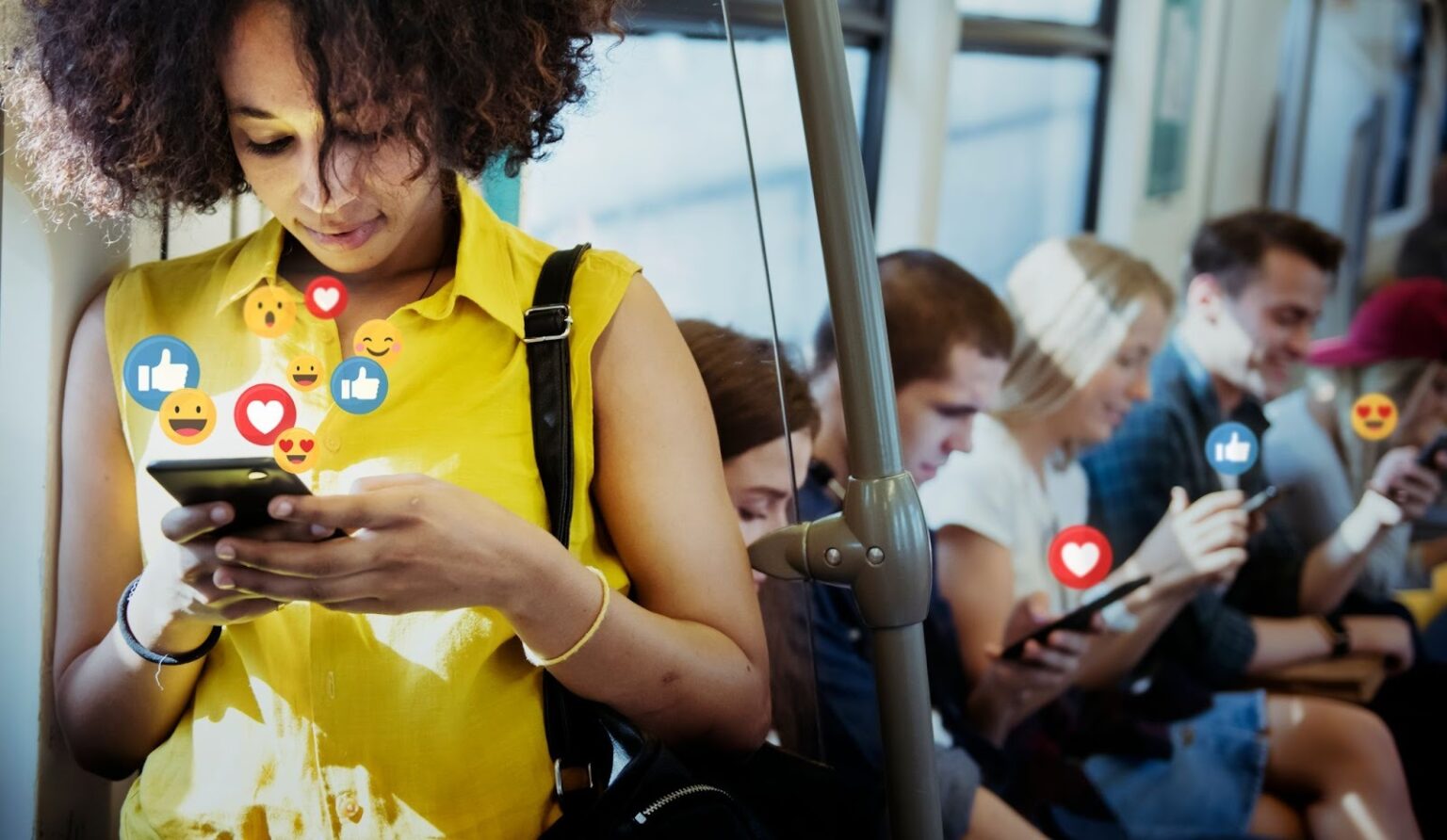
Social media and SEO are often treated as separate strategies, but in practice, they influence each other far more than most businesses realize. When content gets shared, discussed, and engaged with across social platforms, it sends signals that shape visibility, credibility, and traffic patterns online.
Understanding social signals SEO helps businesses see how activity beyond their website supports stronger search performance and long-term brand growth. In this article, we share how these social signals help support your SEO and visibility online.
Introduction to Social Signals and SEO
Social signals refer to the engagement a piece of content receives across social media platforms. While they are not traditional ranking factors like backlinks or keywords, they play a meaningful role in how content gains traction and visibility online.
Types of Social Signals
Social signals include likes, shares, comments, reposts, saves, mentions, and profile engagement. Each action shows that real users find the content relevant enough to interact with it, which helps extend reach and exposure.
Major Platforms That Generate Social Signals
Platforms such as Facebook, Instagram, LinkedIn, X, and even YouTube generate social signals that influence how content spreads. Each platform serves a different audience and content format, but all contribute to broader visibility and discovery.
Do Social Signals Directly Impact SEO Rankings?
There is often confusion around whether social signals directly affect rankings. The answer is nuanced.
Google’s Official Stance on Social Signals
Google has stated that social signals are not direct ranking factors. Search algorithms do not count likes or shares the same way they count links or page structure. That said, this does not mean social activity has no SEO value.
The Direct SEO Benefits of Social Signals
While social signals may not directly move rankings, they create conditions that support SEO. Increased exposure leads to more traffic, brand searches, and content discovery, all of which strengthen overall search performance over time.
This is how social signals and SEO work together in practice.

How Social Signals Boost Brand Visibility
Strong social activity puts content in front of more people, faster.
Expanding Organic Reach Through Sharing
When content is shared organically, it reaches audiences beyond a brand’s immediate followers. That increased reach often leads to secondary sharing, website visits, and mentions across other platforms.
Building Brand Authority and Trust
Consistent engagement signals relevance. When users see a brand’s content frequently shared and discussed, it builds familiarity and trust, which influences click behavior in search results.
This is a key way how social signals support SEO without being a technical ranking factor.
Social Signals and Link Building Opportunities
Social media often acts as the discovery channel for link opportunities.
How Social Sharing Attracts Backlinks
Content that gains traction on social platforms is more likely to be seen by bloggers, journalists, and industry publishers. Many backlinks start with social exposure rather than direct outreach.
Relationship Between Engagement and Earned Media
High engagement increases the chance that content earns coverage naturally. Over time, these earned mentions contribute to authority and domain strength, which directly supports SEO.
Impact of Social Signals on Website Traffic
Traffic patterns are one of the clearest connections between social and search performance.
Referral Traffic from Social Media
Social platforms drive referral traffic that introduces new users to a website. These visits increase brand exposure and can lead to repeat visits through search later on.
Improving User Engagement Metrics
Visitors who arrive through social channels often spend time engaging with content. Strong engagement metrics such as time on page and lower bounce rates send positive quality signals to search engines.
This reinforces how social signals impact SEO indirectly through user behavior.

Best Practices to Improve Social Signals for SEO
Improving social signals does not require chasing viral trends or posting nonstop. It starts with being intentional about what you share, how you share it, and how you show up for your audience over time.
Creating Share-Worthy Content
People share content when it feels useful, relatable, or worth saving for later. Articles that answer common questions, explain complex topics clearly, or offer practical tips tend to travel further on social platforms. Visual elements such as simple graphics, short videos, or quick summaries also help content stand out in busy feeds. When content feels genuinely helpful, sharing becomes a natural next step.
Optimizing Content for Social Sharing
Even strong content needs the right presentation. Clear, descriptive headlines give users a reason to click, while eye-catching visuals help stop the scroll. Short summaries or preview text make it easier for readers to understand the value of a post before engaging. Behind the scenes, making sure links display clean previews when shared helps increase click-through rates and improves overall visibility.
Consistent Posting and Community Engagement
Consistency builds recognition and trust. Posting regularly keeps a brand visible without overwhelming followers. Engagement matters just as much as frequency. Responding to comments, acknowledging messages, and participating in conversations signals that a brand is active and attentive. Over time, this steady interaction supports ongoing engagement rather than short-lived spikes, which strengthens social signals and reinforces long-term SEO support.
Measuring the Impact of Social Signals
Social signals can be measured through engagement metrics, referral traffic, brand mentions, and assisted conversions. Tracking how social-driven traffic behaves on-site helps identify which platforms and content types support long-term growth.
Common Myths About Social Signals and SEO
Social signals and SEO often get misunderstood, which leads to unrealistic expectations. One of the most common myths is that a surge of likes or shares will instantly push a page to the top of search results. Social engagement does not work like a switch that flips rankings overnight. Search engines look at patterns over time, not one-off bursts of attention.
Another misconception is that only viral content matters. While viral moments can bring short-term visibility, they rarely create lasting SEO value on their own. What supports long-term performance is consistent sharing, steady engagement, and repeated exposure across platforms. When content regularly earns interaction, it reinforces brand recognition, drives ongoing traffic, and creates more opportunities for links and mentions.
Social signals support SEO best when they are part of a broader, consistent strategy rather than a chase for quick wins.
Integrating Social Media and SEO Strategies
Social media and SEO perform best when planned together. Keyword-informed content performs better socially, while social feedback reveals what topics resonate most with audiences. Aligning both strategies ensures content serves multiple goals at once.
Turning Social Signals Into Long-Term SEO Value
Social signals play a supporting role in modern SEO by increasing visibility, traffic, and credibility over time. Businesses that treat social media as part of their broader digital strategy gain stronger momentum across channels.
LeadOrigin helps small and mid-sized businesses connect web design, content, and digital strategy into one cohesive system. As an industry leader in web design and development, our team supports businesses across Austin, Dallas, and Houston, TX, from offices at 2100 W Loop S #1400, Houston, TX 77027 and 228 Hamilton Ave Suite 325, Palo Alto, CA 94301.
Is your company looking to strengthen visibility and performance? You can explore LeadOrigin’s work through our main site, learn more about our digital marketing agency in Houston, Texas, or start a conversation through our contact page to align SEO and social strategy for sustainable growth.