
Scaling high-ticket surgical volume requires more than generating website traffic. Successful practices use plastic surgery marketing systems that attract qualified patients, improve consultation conversion rates, and track revenue across every campaign channel.
High-value procedures such as facelifts, rhinoplasty, breast augmentation, and body contouring involve longer decision cycles and larger financial commitments. This guide explains how practices use Plastic surgery digital marketing, conversion-focused websites, and patient nurturing systems to increase surgical bookings predictably.
Why High-Ticket Plastic Surgery Requires a Stronger Marketing Strategy
High-ticket procedures require precision marketing because patients spend more time researching providers, pricing, safety, and outcomes before scheduling surgery. Practices that scale surgical volume consistently invest in trust-building, lead qualification, and high-intent patient acquisition.
Surgical Patients Have a Longer Decision-Making Process
Patients researching procedures priced between $8,000 and $30,000+ compare multiple surgeons before booking consultations. Strong nurturing campaigns help practices stay visible throughout the entire evaluation process.
High-Ticket Procedures Require High-Intent Leads
Low-cost leads rarely convert into premium surgical cases because serious patients search with clear procedural intent. Effective Plastic surgery marketing strategies focus on attracting users actively researching surgery timelines, recovery expectations, and surgeon expertise.
Trust and Authority Matter More Than Discounts
Most cosmetic surgery patients prioritize safety, credentials, and outcomes over promotional pricing. Practices that publish educational content, testimonials, and detailed procedure information typically convert better than clinics focused on discounts.
The Main Challenges Plastic Surgery Practices Face When Scaling Surgical Volume
Many practices struggle to scale because lead generation alone does not guarantee booked surgeries. Growth depends on lead quality, follow-up systems, and accurate revenue tracking.
Inconsistent Lead Quality
Broad advertising campaigns often generate inquiries from patients who are not financially or medically qualified. Procedure-focused targeting improves consultation quality and reduces wasted coordinator time.
Weak Online Visibility for High-Value Procedures
Many practices rank poorly for competitive procedure keywords in local markets. Weak visibility limits consultation opportunities for profitable procedures such as mommy makeovers, deep plane facelifts, and revision rhinoplasty.
Poor Follow-Up After Patient Inquiries
Patients frequently contact multiple practices before making a decision. Delayed responses and inconsistent communication reduce consultation booking rates significantly.
Lack of Revenue Tracking
Practices often track lead volume instead of actual surgical revenue. Measuring booked procedures by marketing source provides clearer insight into campaign profitability.
How Plastic Surgery Marketing Helps Attract Qualified Surgical Patients
Strategic patient acquisition focuses on matching procedures with high-intent audiences. Effective campaigns prioritize education, trust, and local visibility.
Build Campaigns Around High-Ticket Procedures
Separate campaigns for procedures such as breast augmentation, tummy tuck surgery, and facelift surgery improve message relevance. Dedicated procedure campaigns also improve ad performance and landing page conversion rates.
Target Patients Based on Search Intent
Patients searching “best facelift surgeon near me” demonstrate stronger buying intent than general cosmetic interest audiences. High-intent keyword targeting improves consultation quality and lowers wasted ad spend.
Use Local SEO to Capture Patients in the Practice’s Market
Local SEO improves visibility in geographic searches tied to surgical procedures. Practices that optimize Google Business Profiles, local service pages, and city-based keywords generate stronger consultation pipelines.
Create Educational Content That Builds Confidence
Patients convert more often when they understand recovery timelines, candidacy requirements, and expected outcomes. Educational blogs, videos, and FAQs position surgeons as trusted authorities instead of aggressive advertisers.
Plastic Surgery Digital Marketing Channels That Drive Surgical Growth
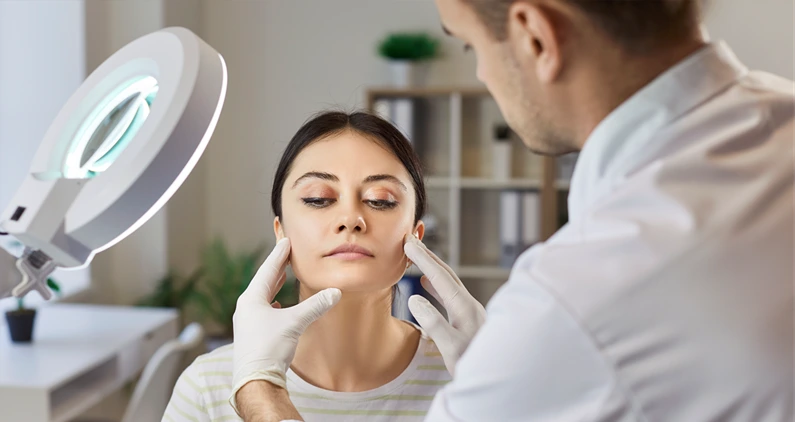
Multi-channel marketing creates consistent patient acquisition opportunities across search, social, email, and retargeting platforms. High-growth practices combine short-term lead generation with long-term visibility strategies.
SEO for Long-Term Procedure Visibility
SEO helps practices rank organically for valuable procedure searches over time. Strong organic visibility lowers dependence on paid advertising while improving consultation consistency.
Key SEO priorities include:
- Procedure-specific service pages
- Local keyword targeting
- Before-and-after optimization
- FAQ schema implementation
- Technical website performance
- Mobile-first design
Google Ads for High-Intent Consultation Requests
Google Ads target users actively searching for cosmetic procedures in real time. Procedure-specific campaigns typically outperform generalized cosmetic advertising campaigns.
High-performing ad campaigns often include:
| Campaign Element | Purpose |
| Procedure keywords | Capture high-intent traffic |
| Location targeting | Improve local relevance |
| Consultation CTAs | Increase lead conversion |
| Landing page matching | Improve quality scores |
| Call tracking | Measure booked consultations |
Plastic Surgery Social Media Marketing for Awareness and Trust
Plastic surgery social media marketing helps practices build familiarity before consultations occur. Platforms such as Instagram, TikTok, Facebook, and YouTube strengthen patient confidence through visual proof and educational content.
Effective social media content includes:
- Recovery timelines
- Surgeon Q&A videos
- Before-and-after transformations
- Procedure education
- Patient testimonials
- Consultation walkthroughs
Retargeting to Re-Engage Interested Patients
Most surgical patients do not convert during their first website visit. Retargeting campaigns keep practices visible while patients continue researching providers.
Email and SMS Nurture Campaigns
Automated follow-up sequences improve consultation booking rates substantially. Educational reminders and financing information help maintain patient engagement during long decision cycles.
Mid-sized and enterprise practices often partner with LeadOrigin to manage integrated automation systems that connect ads, CRM follow-up, and conversion tracking into a single workflow.
What High-Converting Plastic Surgery Landing Pages Should Include
Procedure-specific landing pages improve consultation conversion rates because they answer patient concerns immediately. High-performing pages reduce confusion and increase trust signals.
Procedure-Specific Messaging
Landing pages should focus on one procedure instead of combining multiple services together. Focused messaging improves clarity and strengthens conversion performance.
Surgeon Credentials and Trust Signals
Patients evaluating surgery providers want evidence of experience and specialization. Board certifications, awards, media appearances, and memberships help reinforce credibility.
Before-and-After Galleries
Visual proof strongly influences consultation decisions for cosmetic surgery patients. High-quality galleries help patients understand realistic outcomes and surgical consistency.
Clear Candidate Information
Patients want immediate confirmation about candidacy requirements and recovery expectations. Clear eligibility information helps filter unqualified inquiries while improving lead quality.
Recovery, Pricing, and Financing Information
Transparent pricing guidance improves trust and reduces uncertainty during the research phase. Financing details also help patients evaluate affordability earlier in the decision process.
Strong Consultation CTAs
Every landing page should include highly visible consultation booking options. Simple forms, click-to-call buttons, and financing applications improve conversion opportunities.
How Practices Convert More Leads Into Consultations
Lead generation alone does not create surgical growth. Practices must optimize communication speed, follow-up structure, and patient coordination processes.
Respond Quickly to Every Inquiry
Practices responding within 5 to 10 minutes typically achieve stronger booking rates than slower competitors. Fast response times create momentum while patient interest remains high.
Train the Front Desk and Patient Coordinators
Patient coordinators directly influence consultation conversion rates. Strong communication training improves patient confidence and increases appointment completion rates.
Use a Structured Follow-Up Process
Consistent follow-up sequences reduce lead loss dramatically. Automated reminders, educational emails, and personalized outreach help move undecided patients toward consultation bookings.
Pre-Qualify Patients Without Creating Friction
Simple qualification questions help practices prioritize serious surgical candidates. Effective qualification processes avoid creating unnecessary barriers that reduce inquiry conversions.
How Practices Increase Consultation-to-Surgery Conversion Rates
Consultation quality directly impacts surgical revenue growth. Practices that improve patient experience and financial transparency close more procedures consistently.
Improve the Consultation Experience
High-performing consultations focus on education, personalization, and realistic expectations. Patients convert more often when surgeons communicate clearly and confidently.
Address Cost and Financing Clearly
Patients hesitate when pricing discussions feel unclear or delayed. Transparent financing conversations help reduce objections during the decision-making process.
Follow Up With Patients Who Do Not Book Immediately
Many patients need additional time before scheduling surgery. Follow-up systems help practices stay top-of-mind without appearing overly aggressive.
Use Reviews and Testimonials to Reduce Hesitation
Reviews reinforce trust during final decision stages. Detailed testimonials addressing recovery, communication, and outcomes help reduce patient uncertainty.
Why Tracking Surgical Revenue Is Critical
Revenue tracking helps practices identify profitable procedures and effective marketing channels. Accurate data improves budgeting, staffing, and long-term growth decisions.
Track Leads by Source
Every inquiry should connect back to its original marketing source. Source tracking reveals which campaigns generate actual surgical revenue instead of low-quality leads.
Measure Consultation Booking Rates
Booking rates help identify weaknesses in response systems and coordinator performance. Practices with low booking rates often need communication process improvements.
Measure Cost Per Surgery
Cost per surgery provides more meaningful insight than cost per lead. High-performing campaigns may generate fewer leads while producing significantly higher revenue.
Identify the Highest-ROI Procedures
Certain procedures produce stronger profit margins and higher lifetime patient value. Data analysis helps practices prioritize scalable surgical categories.
When to Work With a Plastic Surgery Marketing Agency or Consultant

Many practices reach growth plateaus because internal teams lack specialized cosmetic surgery expertise. External specialists help improve performance across SEO, advertising, conversion optimization, and analytics.
When the Practice Wants Predictable Growth
Predictable growth requires structured systems instead of inconsistent marketing experiments. A specialized Plastic surgery marketing agency can develop scalable acquisition frameworks based on procedure profitability.
When Campaigns Are Producing Leads But Not Surgeries
Lead quantity alone does not guarantee revenue growth. A qualified Plastic surgery marketing consultant can identify breakdowns in targeting, follow-up, or consultation conversion.
When the Practice Needs Procedure-Specific Strategy
Different procedures require different patient acquisition approaches. Rhinoplasty campaigns, facelift campaigns, and body contouring campaigns perform best with specialized messaging.
When the Practice Wants to Scale Without Wasting Budget
Scaling inefficient campaigns increases wasted advertising spend quickly. Specialized cosmetic surgery marketers improve efficiency through conversion tracking and audience refinement.
Common Mistakes That Limit Plastic Surgery Practice Growth
Many practices lose revenue because of weak positioning, poor tracking, and generic advertising strategies. Avoiding these mistakes improves both consultation volume and surgical conversions.
Running Generic Campaigns for Every Procedure
Procedure-specific marketing consistently outperforms generalized cosmetic messaging. Patients searching for facelift surgery expect highly targeted information.
Focusing on Cheap Leads Instead of Qualified Patients
Low-cost leads frequently produce low consultation quality. High-ticket surgery growth depends more on intent and financial readiness than lead quantity.
Sending Paid Traffic to Weak Website Pages
Poor landing page experiences waste advertising budgets quickly. Slow-loading pages and vague messaging reduce consultation conversions significantly.
Ignoring Follow-Up
Many practices lose surgical opportunities because inquiries receive inconsistent communication. Structured follow-up systems increase conversion rates substantially.
Not Tracking Revenue Back to Marketing Channels
Revenue attribution reveals which campaigns actually produce surgeries. Practices operating without attribution data often overspend on underperforming channels.
FAQs About Plastic Surgery Marketing and Surgical Volume Growth
What Is Plastic Surgery Marketing?
Plastic surgery marketing refers to the strategies used to attract cosmetic surgery patients through SEO, paid advertising, social media, email campaigns, and conversion optimization. Effective campaigns focus on patient education, trust building, and consultation generation.
How Can Plastic Surgery Practices Get More High-Ticket Surgery Patients?
Practices attract more premium surgical patients through high-intent SEO, Google Ads, strong consultation processes, and authority-focused branding. Conversion-focused websites and patient nurturing systems also improve surgical booking rates.
What Are the Best Plastic Surgery Marketing Strategies?
The best Plastic surgery marketing strategies combine local SEO, paid search campaigns, retargeting, reputation management, and educational content. Multi-channel campaigns consistently outperform single-channel approaches.
Is Plastic Surgery Social Media Marketing Effective?
Yes, Plastic surgery social media marketing is highly effective for awareness, patient education, and trust development. Before-and-after galleries, surgeon videos, and patient testimonials perform particularly well.
Should a Practice Hire a Plastic Surgery Marketing Agency?
Practices should hire a specialized agency when they need scalable growth, better lead quality, and improved conversion tracking. Specialized agencies understand procedure economics, compliance considerations, and cosmetic patient behavior.
Frequently Asked Questions About High-Ticket Surgical Growth
How Long Does It Take SEO to Increase Plastic Surgery Consultations?
Most practices see measurable SEO improvements within 4 to 9 months, depending on competition and website authority. Competitive procedures in large metro markets may require longer timelines.
What Is a Good Consultation Conversion Rate for Plastic Surgeons?
Many successful practices achieve consultation booking rates between 20% and 40% from qualified inquiries. Conversion performance depends heavily on lead quality and follow-up speed.
Why Do Some Plastic Surgery Ads Generate Poor Leads?
Poor targeting, weak landing pages, and broad messaging often attract low-intent users. High-performing campaigns focus on procedure-specific intent and local search behavior.
How Important Are Before-and-After Photos for Conversion?
Before-and-after galleries strongly influence patient trust and consultation decisions. Patients use visual proof to evaluate consistency, aesthetic style, and expected outcomes.
What Is the Fastest Way to Scale Surgical Revenue?
Combining SEO, paid ads, consultation optimization, and automated follow-up creates the fastest sustainable growth path. Practices partnering with LeadOrigin often improve marketing visibility and surgical revenue tracking simultaneously.
Building a Scalable Plastic Surgery Growth Engine

Scaling surgical volume requires more than increasing ad spend. Practices that consistently grow combine advanced Plastic surgery digital marketing, conversion-focused websites, patient nurturing systems, and accurate revenue tracking into one integrated strategy.
The most successful cosmetic surgery brands treat marketing as a measurable growth system instead of a disconnected advertising expense. Practices working with LeadOrigin can build scalable acquisition strategies that improve qualified consultations, increase surgical bookings, and maximize long-term ROI. Contact us today!