Most business owners approach commercial construction only once or twice in the life of their company, which means they are navigating unfamiliar territory with significant money and their business’s future both at stake. Understanding the key realities of starting a commercial construction project before signing any contracts gives owners a genuine advantage over going in unprepared.
Insurance Considerations Before Breaking Ground
Insurance coverage is easy to overlook amid design and contractor decisions, but gaps here can create significant owner liability if something goes wrong.
Builder’s Risk Insurance
Builder’s risk insurance covers the building itself during construction against fire, weather damage, and other covered perils, and owners should confirm who is responsible for securing this coverage and that the coverage amount reflects the project’s actual value.
Verifying Contractor and Subcontractor Coverage
Owners should independently verify that the contractor and key subcontractors carry adequate liability insurance and workers’ compensation coverage, rather than simply accepting a contractor’s verbal assurance, since inadequate coverage can leave the owner financially exposed if an accident occurs on site.
Realistic Budgeting Goes Beyond Construction Costs
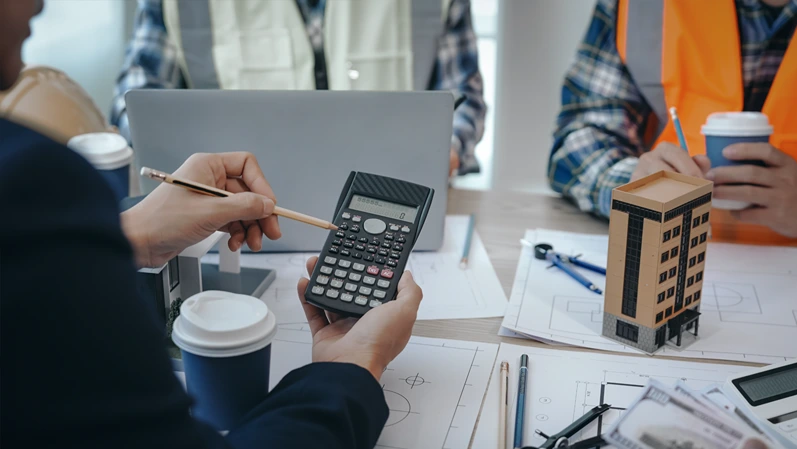
The number a contractor quotes for construction is rarely the full financial picture an owner needs to plan around.
Soft Costs Add Up Significantly
Architectural and engineering fees, permit costs, financing charges, and furniture or equipment costs all sit outside the core construction budget but represent real expenses that owners need to plan for from the very beginning, not discover partway through the project.
Building in Genuine Contingency
A budget without meaningful contingency for the unexpected is a budget likely to fail, and owners should plan for contingency covering both construction surprises and the near-universal tendency for a project to include at least some owner-driven changes once the space starts taking real shape.
Reviewing Contracts Carefully Before Signing
The construction contract itself establishes the ground rules for the entire relationship, and rushing through this document is a common, costly mistake.
Understanding Payment and Change Order Terms
Owners should understand exactly how payment draws work, what documentation is required to release funds, and how change orders get priced and approved, since ambiguity in these terms is a common source of dispute once construction is underway and money is already committed to the project.
Having Legal Counsel Review Before Signing
Having an attorney experienced in construction contracts review the agreement before signing is a modest upfront cost that can prevent significant complications later, particularly around indemnification, dispute resolution, and termination provisions that owners without construction experience may not fully appreciate on first read.
Choosing the Right Delivery Method Matters
How a project is structured, whether traditional design-bid-build or a design-build approach, shapes both the timeline and how much day-to-day coordination falls on the owner.
Matching Delivery Method to Owner Priorities
Owners who most value speed and a single point of contact often prefer design-build, while owners who want maximum independent design oversight before committing to construction pricing often prefer the traditional model, and understanding this tradeoff early helps avoid choosing a structure that does not fit actual priorities.
The Cost of Choosing the Wrong Structure
Selecting a delivery method mismatched to a project’s actual needs, such as choosing traditional delivery for a project where speed is the absolute top priority, can create frustration throughout construction that a better-matched initial choice would have avoided entirely.
Aligning the Timeline With Business Operations
A construction timeline does not exist in isolation from the rest of a business’s operations, and planning around that overlap matters more than owners often initially expect.
Planning Around Seasonal Business Cycles
Businesses with pronounced seasonal patterns should consider how a construction timeline interacts with their busiest and slowest periods, since opening a new location or completing a renovation right before a critical seasonal window carries very different risk than a timeline with more buffer built in.
Communicating Timeline Uncertainty to Stakeholders
Owners often need to communicate construction timelines to employees, customers, investors, or landlords, and building in realistic uncertainty rather than overpromising a specific date protects those relationships if the schedule shifts, which it very well may given everything construction is exposed to along the way.
Site Selection Carries Long-Term Consequences
The physical site a business chooses shapes construction cost, timeline, and the ultimate success of the finished space in ways that are difficult to reverse once construction begins.
Zoning and Permitted Use Verification
Confirming a site allows the intended business use, or that a variance is realistically obtainable, needs to happen before significant design investment, since discovering a zoning obstacle after design work is complete can be a costly and sometimes fatal setback for a project.
Soil, Utility, and Site Condition Due Diligence
Investigating soil conditions, utility access, and any existing environmental concerns before finalizing a site purchase or lease protects owners from expensive surprises that only become apparent once construction and excavation are already underway.
Permitting Takes Longer Than Most Owners Expect
First-time commercial builders are consistently surprised by how much of the overall project timeline permitting actually consumes.
Building Realistic Timeline Expectations
Permitting review can take anywhere from a few weeks to several months depending on jurisdiction and project complexity, and owners who build unrealistic, overly optimistic permitting timelines into their planning are setting themselves up for frustration once reality does not match their expectations.
Engaging the Building Department Early
Pre-application meetings and early engagement with the local building department can surface potential issues while there is still flexibility to address them, rather than discovering a significant obstacle only after formal submission.
Selecting the Right Contractor Is the Single Biggest Decision
More than any other single choice, the contractor an owner selects determines how smoothly the entire project unfolds from groundbreaking to final walkthrough.
Evaluating Experience With Similar Projects
Owners should specifically evaluate a contractor’s experience with projects of similar scope, complexity, and industry, since general commercial experience does not always translate directly to the specific challenges a particular project type presents.
Checking References and Financial Stability
Speaking directly with references from recently completed projects, and confirming a contractor’s financial stability and appropriate bonding, protects owners from the significant risk and disruption of a contractor who cannot see a project through to completion.
Understanding Your Role Throughout Construction
Owners who assume construction is entirely the contractor’s responsibility, requiring no ongoing owner involvement, are often unpleasantly surprised by how much attention a project actually needs.
Staying Engaged Without Micromanaging
Regular attendance at progress meetings, timely responses to decisions the project team needs from the owner, and periodic site visits keep a project moving smoothly, without requiring the owner to manage day-to-day construction details that are properly the contractor’s responsibility.
Making Decisions Promptly
Delayed owner decisions on outstanding questions or change order approvals are a common, avoidable source of schedule delay, and owners who understand this dynamic build faster decision-making into their own availability throughout the project.
Planning for the Transition to Occupancy
The period between substantial construction completion and actually operating in the new space involves its own set of considerations many owners overlook.
Furniture, Fixtures, and Equipment Timing
Ordering furniture, equipment, and any specialized fixtures with enough lead time to arrive as construction nears completion prevents a finished, move-in-ready building from sitting empty while waiting on items that should have been ordered months earlier.
Staff Training on New Building Systems
Ensuring staff understand how to operate new building systems, from security to specialized equipment, before opening day prevents avoidable confusion and inefficiency during a business’s first days of actually operating in the new space. Owners eager to start generating revenue from their new commercial space benefit from this kind of proactive transition planning rather than treating occupancy as an afterthought.
Why Working With the Right Contractor From the Start Matters

The relationship an owner builds with their contractor from the very first conversation shapes the entire experience that follows.
Evaluating How Contractors Communicate Early On
How a contractor communicates during initial proposal conversations, whether they ask thoughtful questions about the business’s actual needs or simply pitch a generic package, is a strong early signal of how that relationship will likely unfold once real construction decisions and challenges arise. Contractors who prioritize building trust with prospective clients online before a project even begins tend to carry that same transparency through the entire construction relationship.
Looking for Genuine Educational Content
Contractors who invest in genuinely educational content, explaining process, cost drivers, and realistic timelines rather than only showcasing finished project photos, signal a level of transparency that tends to carry through into how they manage an actual project relationship. Firms building this reputation while generating qualified commercial construction leads consistently attract owners who value this kind of substantive communication over flashy marketing alone.
Frequently Asked Questions About Starting a Commercial Construction Project
What is the biggest mistake first-time commercial construction owners make?
Underestimating soft costs and permitting timelines is one of the most common mistakes, since owners often budget and plan around construction costs alone without accounting for the full scope of expenses and time involved.
How early should I start planning before I want my space open?
Given permitting, design, and construction timelines combined, most commercial projects benefit from starting the planning process six months to over a year before the desired opening date, depending on project size and complexity.
Do I need to hire an architect before talking to a contractor?
Not necessarily. Design-build contractors can manage both design and construction under one contract, while a traditional project typically involves hiring an architect first, so the right sequence depends on which delivery method fits your project.
How involved do I need to be once construction actually begins?
While the contractor manages day-to-day construction, owners still need to attend progress meetings, respond promptly to decisions and change orders, and stay engaged enough to catch issues early rather than discovering them only at project completion.
What should I look for when choosing a commercial contractor?
Look for direct experience with similar projects, verifiable references, financial stability, appropriate bonding and insurance, and clear, transparent communication from the very first conversation.
Starting Your Project With Confidence, Not Guesswork
Understanding what starting a commercial construction project actually involves, from realistic budgeting to contractor selection to the often-overlooked transition to occupancy, gives business owners a genuine advantage over navigating the process blind. That preparation pays off at every stage, not just on opening day. Contractors ready to support owners through this entire journey can explore proven marketing strategies for general contractors built around exactly this kind of trustworthy, educational approach.