Few terms in cosmetic surgery generate as much confusion as “mommy makeover.” Marketing language often makes mommy makeover procedures sound like a single, standardized package, when in reality it is a customized combination of individual surgeries built around what pregnancy and childbirth actually changed about a specific patient’s body.
What Mommy Makeover Procedures Actually Include

There is no single, fixed definition of the term, which is exactly where much of the public confusion begins.
The Most Common Procedure Combinations
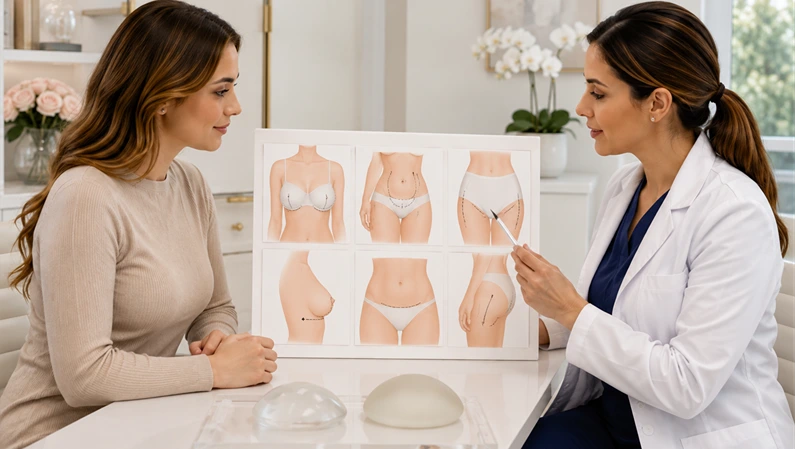
A typical mommy makeover combines a tummy tuck to address abdominal skin and muscle separation, breast surgery, whether augmentation, a lift, or both, to restore volume and position lost during breastfeeding, and often liposuction to refine areas that diet and exercise have not fully addressed. The exact combination is tailored to each patient rather than following a fixed template.
Why the Combination Varies by Patient
Some patients need significant abdominal muscle repair but minimal breast work, while others have the opposite priority. A surgeon evaluates each area individually during consultation rather than assuming every patient needs the identical set of procedures often shown in marketing materials.
Standalone Procedures Versus the Combined Approach
Some patients ultimately decide against combining every procedure into a single surgery, and understanding why helps clarify that combining is a choice rather than a requirement.
When Staging Procedures Makes More Sense
Patients with significant health considerations, higher combined surgery risk, or simply a preference for a shorter individual recovery sometimes choose to stage procedures months apart rather than combining everything at once. This approach extends the total timeline to full results but can reduce the physical demands of any single recovery period.
Weighing Total Cost Against Total Time
Staging procedures separately typically costs more in total, since facility and anesthesia fees apply to each surgery individually, but it spreads the financial and physical demands out over a longer period. Patients should weigh this tradeoff honestly against their own health, schedule, and support system rather than assuming the combined approach is automatically the right choice for everyone.
Separating Marketing Claims From Surgical Reality
A meaningful amount of confusion around this procedure comes directly from how it gets marketed rather than from the surgery itself.
It Is Not a Single Standardized Surgery
Despite the branded, package-like name, a mommy makeover is really several distinct procedures performed together, each with its own technique, incision pattern, and recovery consideration. Patients should think of it as a coordinated surgical plan rather than one uniform operation.
Results Are Not Guaranteed to Look Identical to Before-and-After Photos
Marketing photos showcase real results, but individual anatomy, skin elasticity, and healing response mean outcomes vary meaningfully from patient to patient. A thorough consultation, not a photo gallery, is the most reliable way to understand what realistic results look like for a specific body.
Recovery Realities Patients Should Understand
Because a mommy makeover typically combines multiple procedures, recovery is more involved than any single surgery performed alone.
A Longer, More Structured Recovery Window
Combining procedures means a longer initial recovery period, often several weeks of significant activity restriction, compared to undergoing a single procedure. Patients researching a realistic mommy makeover recovery timeline before scheduling surgery tend to plan their time off work and childcare support far more accurately than those who underestimate the combined recovery demands.
Managing Childcare During Recovery
Because lifting restrictions typically apply for several weeks, and many mommy makeover patients have young children at home, arranging additional support during the initial recovery period is one of the most practical planning steps patients often overlook until surgery is already scheduled.
Anesthesia and Safety Considerations for Longer Surgery
Combining procedures generally means a longer time under anesthesia, which is a legitimate safety consideration worth understanding before committing to the combined approach.
Why Surgery Length Matters
Extended anesthesia time carries incrementally higher risk, which is why reputable surgeons often set a maximum combined surgery duration and will recommend staging procedures if a patient’s full wish list would exceed that safe threshold. This is a clinical safety decision, not a sales limitation, and a surgeon who enforces this boundary is prioritizing patient wellbeing over maximizing a single surgical fee.
Accredited Facilities and Monitoring
Combined procedures should always take place in an accredited surgical facility with appropriate anesthesia monitoring throughout the longer operation. Patients evaluating a practice should confirm facility accreditation directly rather than assuming every office offering the procedure meets the same safety standard.
What the Procedure Costs and Why It Varies
Cost is one of the most common questions patients have, and it depends heavily on exactly which procedures are combined.
Combining Procedures Affects Total Cost
Because facility fees and anesthesia costs are often shared across combined procedures, a mommy makeover is typically less expensive than scheduling each procedure separately at different times. Patients can review a detailed breakdown of what factors into mommy makeover pricing to understand realistic cost ranges before their consultation.
Insurance Coverage Is Generally Not Available
Because these procedures are elective and cosmetic, insurance typically does not cover any part of a mommy makeover, even when abdominal muscle repair addresses a legitimate functional concern like diastasis recti. Patients should plan to budget for the full cost of the procedure through savings or financing options offered by the practice.
Scarring and Long-Term Physical Changes
Combining multiple procedures also means combining the incisions and scarring patterns associated with each one.
What Scarring Typically Looks Like
Tummy tuck incisions, breast surgery incisions, and any liposuction access points all leave some degree of scarring, though placement is carefully planned to fall in less visible areas whenever possible. Patients can review detailed information on what to expect with mommy makeover scarring to set realistic expectations about how scars typically fade over the first year.
Results Are Not Permanent Against Future Changes
Significant future weight gain or additional pregnancies can meaningfully affect mommy makeover results, stretching skin and tissue that has already been surgically tightened. Surgeons generally recommend patients complete their family planning before scheduling surgery to protect the durability of their results.
Choosing a Surgeon for Combined Procedures
Combining multiple surgeries into one session raises the stakes on surgeon selection compared to a single, standalone procedure.
Experience With Combined Surgery Specifically
Performing several procedures in one operation requires careful planning around anesthesia time, blood loss, and incision sequencing that differs from handling each surgery independently. Surgeons with specific experience combining these procedures are generally better equipped to manage that added complexity safely than those who primarily perform single procedures.
Questions Worth Asking During Consultation
Patients should ask directly how many combined procedures a surgeon performs each year, what safety protocols apply to longer combined surgeries, and under what circumstances they would recommend staging procedures separately instead. A surgeon’s willingness to answer these questions thoroughly, rather than defensively, is itself a useful signal of their approach to patient safety.
Physical and Emotional Recovery Support
Recovery from a combined procedure affects more than just the body, and patients benefit from planning for both dimensions.
Building a Support System Before Surgery
Arranging help with children, household tasks, and daily errands before surgery, rather than scrambling afterward, meaningfully reduces stress during the initial recovery weeks. Patients who plan this support in advance consistently report a smoother, less overwhelming recovery experience.
Managing Emotional Ups and Downs During Healing
Swelling, bruising, and a slower-than-expected timeline can be discouraging even when recovery is progressing normally. Patients who understand this emotional pattern in advance, and who have realistic expectations about the multi-month timeline before final results emerge, tend to navigate this period with far less anxiety than those expecting rapid transformation.
Who Actually Makes a Good Candidate
Not every patient who has had children is automatically a good candidate for this combined procedure.
Physical Readiness Matters More Than Timing Alone
Surgeons generally recommend waiting at least six months after childbirth, and longer if breastfeeding, to allow the body to stabilize before evaluating candidacy. Beyond timing, overall health, a stable weight, and realistic expectations all factor into whether combining procedures makes sense for a specific patient.
Being Honest About Motivation
Patients who pursue a mommy makeover to reclaim how their body felt before pregnancy, rather than chasing an unrealistic ideal, tend to report higher satisfaction with their results. A thorough consultation should include an honest conversation about motivation, not just a checklist of procedures.
How Practices Communicate This Procedure Accurately

Given how much confusion surrounds the term, practices that explain the procedure honestly tend to attract more informed, better-prepared patients.
Education Over Marketing Buzzwords
Practices that explain exactly what a mommy makeover involves, rather than relying on the catchy branded name alone, help patients arrive at consultations with realistic questions rather than expectations shaped by marketing. This kind of substantive plastic surgery marketing consistently produces higher-quality consultation requests than generic before-and-after galleries alone.
Building Revenue Through Informed, Committed Patients
Practices that invest in this kind of educational content around combined procedures often see a meaningful impact on adding new surgical revenue each month, since well-informed patients convert to booked surgeries at a noticeably higher rate than those who arrive with mismatched expectations.
Frequently Asked Questions
Is a mommy makeover one surgery or several combined?
It is typically several distinct procedures, most often a tummy tuck, breast surgery, and sometimes liposuction, performed together in a single combined surgical session rather than one standardized operation.
How long is recovery from a mommy makeover?
Most patients need several weeks of significant activity restriction, with a longer initial recovery than any single procedure would require on its own, though timelines vary based on exactly which procedures are combined.
Does insurance cover any part of a mommy makeover?
No. These procedures are considered elective and cosmetic, so insurance typically does not cover any portion of the cost, even when abdominal repair addresses muscle separation.
Will future pregnancies affect mommy makeover results?
Yes. Significant weight changes or additional pregnancies can meaningfully affect results, which is why surgeons generally recommend completing family planning before scheduling the procedure.
How soon after having a baby can I get a mommy makeover?
Most surgeons recommend waiting at least six months after childbirth, and longer if breastfeeding, to allow the body to stabilize before undergoing surgery.
Getting an Honest Picture Before You Commit
A mommy makeover can deliver meaningful, life-changing results, but only when patients understand mommy makeover procedures as a customized combination of individual surgeries rather than a single standardized package. Practices ready to attract patients seeking this level of honest, procedure-specific education can explore generating qualified consultation requests built around exactly this kind of transparent content.