
Plastic surgery marketing works best when clinics build separate strategies for each procedure instead of promoting all services the same way. Facelift marketing, Breast augmentation marketing, and body contouring marketing each attract patients with different concerns, search behaviors, budgets, and decision timelines.
Successful clinics combine SEO, educational content, high-converting landing pages, consultation-focused paid ads, and strong patient trust signals. This guide explains how to improve plastic surgery advertising and cosmetic surgery marketing strategies to attract qualified leads and increase booked consultations.
Why Marketing High-Value Plastic Surgery Services Requires a Different Strategy
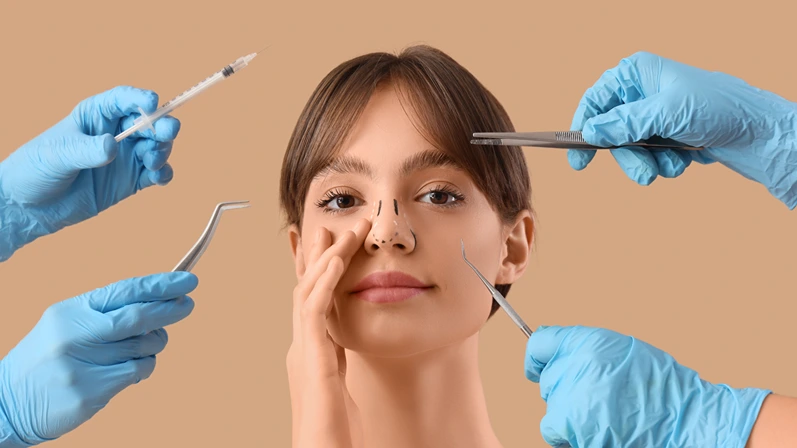
High-ticket cosmetic procedures require trust-focused marketing because patients spend weeks or months researching providers before booking consultations. Clinics that rely on generic messaging often struggle to convert high-intent leads into paying patients.
Key differences in high-value procedure marketing include:
- Longer decision-making timelines
- Higher consultation expectations
- Greater emphasis on surgeon expertise
- Strong demand for visual proof
- Local SEO competition in metro markets
- Higher cost-per-click in paid advertising
| Procedure | Average Patient Research Time | Typical Marketing Focus |
| Facelift | 3 to 6 months | Trust and expertise |
| Breast Augmentation | 2 to 5 months | Education and personalization |
| Body Contouring | 1 to 4 months | Results and transformation |
Clinics that invest in procedure-specific campaigns consistently improve lead quality and consultation conversion rates.
How to Market Facelift Services
What Patients Searching for Facial Rejuvenation Want to See
Patients searching for facelift procedures want proof of natural-looking outcomes and surgeon credibility before requesting consultations. Strong facelift marketing focuses on experience, before-and-after galleries, recovery education, and age-specific messaging.
Why SEO Pages Matter for Facelift-Related Keywords
Dedicated facelift SEO pages help clinics rank for high-intent searches like “deep plane facelift surgeon” and “mini facelift consultation.” Localized pages targeting cities and service areas also improve visibility for nearby patients researching providers.
How Educational Content Builds Trust
Educational blog posts and FAQ pages reduce uncertainty by answering concerns about recovery time, scarring, anesthesia, and expected results. Video consultations, surgeon explainers, and recovery guides also improve engagement and consultation requests.
How to Market Breast Augmentation Services
Why Patient Education and Personalization Matter
Patients researching breast augmentation want customized recommendations instead of generic sales messaging. Effective breast augmentation marketing explains implant types, sizing considerations, placement options, and recovery expectations clearly.
How SEO Content Supports Breast Augmentation Intent
SEO pages targeting searches like “silicone vs saline implants” and “breast augmentation recovery timeline” attract high-intent traffic earlier in the research process. Educational content also improves topical authority and organic rankings for competitive cosmetic keywords.
Why Consultation-Based Decision Making Improves Conversion
Consultation-focused messaging works because breast augmentation patients usually require reassurance before committing to surgery. Clinics should emphasize personalized treatment planning, digital imaging tools, and surgeon communication throughout the marketing funnel.
How to Market Body Contouring Services
What Patients Looking for Body Transformation Solutions Expect
Patients interested in body contouring often want realistic improvement after weight loss, pregnancy, or aging. Strong body contouring marketing highlights candidacy, recovery expectations, and long-term maintenance strategies.
Why Procedure-Specific Pages Improve Rankings
Separate pages for liposuction, tummy tucks, arm lifts, and skin tightening services improve search visibility and user experience. Search engines rank focused pages more effectively because they match specific user intent.
How Before-and-After Content Should Be Used
Before-and-after galleries should demonstrate consistent outcomes without exaggeration or misleading edits. Clinics should also include recovery timelines, disclaimers, and patient education to support informed decisions.
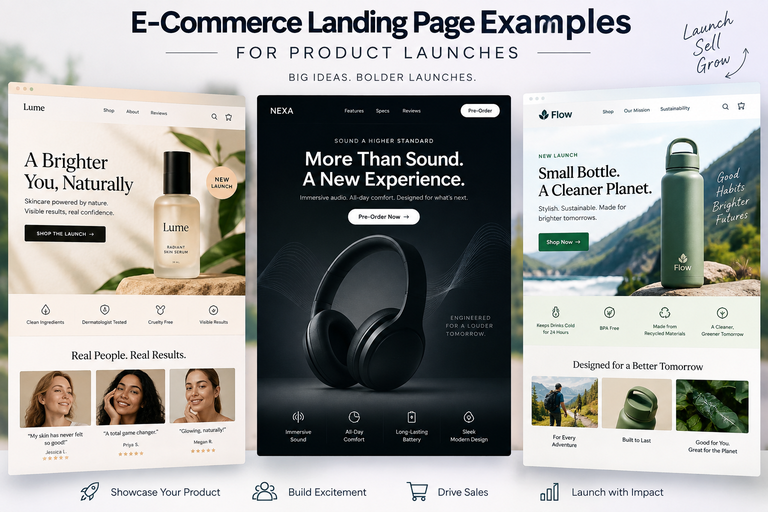
Build Dedicated Landing Pages for Each Procedure
Dedicated landing pages improve conversion rates because patients want procedure-specific details before booking consultations. A single general services page rarely answers enough questions to convert high-intent traffic.
Effective plastic surgery landing pages should include:
- Procedure overview
- Recovery expectations
- Before-and-after galleries
- FAQ sections
- Financing information
- Surgeon credentials
- Consultation forms
- Geographic targeting keywords
| Landing Page Element | Purpose |
| Before-and-after photos | Build trust |
| Consultation CTA | Increase inquiries |
| FAQ section | Reduce hesitation |
| Surgeon bio | Establish authority |
| Recovery timeline | Set expectations |
Clinics that separate landing pages by procedure often see stronger SEO performance and lower bounce rates.
Use SEO to Capture High-Intent Plastic Surgery Searches
SEO remains one of the strongest long-term strategies for plastic surgery marketing because cosmetic patients heavily rely on Google during research. Ranking for transactional keywords increases consultation opportunities without depending entirely on paid advertising.
Important SEO tactics include:
- Procedure-specific keyword targeting
- City-based optimization
- Internal linking strategies
- Structured FAQ content
- Fast-loading mobile pages
- Optimized image galleries
- Google Business Profile management
Examples of high-intent searches include:
- “Facelift surgeon near me”
- “Breast augmentation consultation”
- “Best tummy tuck clinic”
- “Body contouring after weight loss”
Strong SEO campaigns help clinics compete in high-value metropolitan markets where advertising costs continue to rise.
Run Paid Ads for Consultation-Based Lead Generation

Paid advertising helps clinics generate consultations faster than SEO alone when campaigns target high-intent audiences correctly. Successful plastic surgery advertising campaigns focus on consultation bookings instead of broad awareness traffic.
Top-performing paid advertising channels include:
- Google Search Ads
- Meta Ads
- YouTube Ads
- Retargeting campaigns
- Local service campaigns
Important paid ad strategies include:
- Geo-targeted campaigns
- Procedure-specific ad groups
- Landing page matching
- Call tracking
- Retargeting abandoned visitors
- Consultation-first messaging
Clinics should avoid broad cosmetic targeting because high CPC costs can reduce profitability quickly.
Improve Website Conversion for Plastic Surgery Leads
A clinic website should convert visitors into consultations quickly with minimal friction. Poor mobile usability, weak calls to action, and outdated visuals often reduce conversion performance.
High-converting plastic surgery websites typically include:
- Mobile-first design
- Online consultation forms
- Click-to-call buttons
- Fast page speeds
- Trust badges
- Real patient testimonials
- Surgeon credentials
- HIPAA-conscious forms
| Conversion Element | Impact on Leads |
| Fast mobile speed | Higher engagement |
| Short contact forms | More submissions |
| Consultation CTAs | Better conversion |
| Real testimonials | Increased trust |
| Financing options | Reduced hesitation |
Many clinics improve lead conversion significantly after redesigning outdated websites with user-focused layouts and procedure segmentation.
Build Trust With Reviews, Testimonials, and Surgeon Authority
Trust signals directly affect consultation rates because cosmetic patients evaluate reputation carefully before scheduling surgery. Strong surgeon branding also improves conversion across both paid and organic channels.
Important trust-building assets include:
- Google reviews
- Video testimonials
- Board certification details
- Media features
- Professional memberships
- Surgeon educational videos
- Real patient case studies
Clinics should also update review acquisition strategies regularly to maintain fresh social proof. Agencies like LeadOrigin often help practices implement automated review generation systems that improve local SEO visibility and conversion rates.
Use Content Marketing to Answer Patient Questions
Educational content improves search visibility while helping patients feel informed before consultations. Strong cosmetic surgery marketing strategies focus on answering specific concerns instead of publishing generic promotional articles.
High-performing content formats include:
- Procedure FAQs
- Recovery guides
- Cost breakdowns
- Comparison articles
- Video explainers
- Consultation preparation guides
- Financing resources
Examples of strong article topics include:
- “How long does facelift recovery take?”
- “What size implant should I choose?”
- “What is included in body contouring surgery?”
- “How much does liposuction cost in Miami?”
Educational content also supports Google AI Overviews and featured snippets because search engines prioritize concise, informative answers.
Track Marketing Performance by Procedure
Tracking marketing performance by individual procedure helps clinics identify profitable campaigns and optimize budgets effectively. Aggregated reporting often hides weak conversion areas and overspending.
Important KPIs include:
- Cost per consultation
- Cost per booked surgery
- Landing page conversion rate
- Organic traffic growth
- Call tracking data
- Consultation close rates
- Paid ad ROI
| Metric | Why It Matters |
| Cost per lead | Measures efficiency |
| Conversion rate | Identifies weak pages |
| Consultation rate | Tracks lead quality |
| Organic rankings | Measures SEO progress |
| Return on ad spend | Evaluates profitability |
Clinics that monitor performance monthly can adjust campaigns faster and improve long-term profitability.
Common Mistakes in Plastic Surgery Marketing
Many clinics waste marketing budgets because campaigns lack strategic targeting and conversion planning. Poor positioning also weakens trust and lowers lead quality.
Common marketing mistakes include:
- Using generic service pages
- Ignoring local SEO
- Running untargeted paid ads
- Publishing weak educational content
- Using outdated before-and-after galleries
- Neglecting mobile optimization
- Failing to track lead sources
- Overloading pages with technical language
Practices that focus on clarity, trust, and procedure-specific messaging usually outperform competitors using broad cosmetic campaigns.
Marketing Plastic Surgery Services With Trust and Strategy

Effective plastic surgery marketing requires a combination of SEO, conversion optimization, educational content, and consultation-focused advertising. Clinics that personalize campaigns for facelifts, breast augmentation, and body contouring services typically generate stronger lead quality and higher surgical revenue.
The most successful practices build marketing systems that prioritize trust before conversion. Partnering with experienced growth agencies like LeadOrigin can help cosmetic surgery clinics improve visibility, increase consultation bookings, and create sustainable long-term growth. Contact us today!
Frequently Asked Questions About How to Market Facelifts, Breast Augmentation, and Body Contouring Services
What is the best way to market plastic surgery services?
The best way to market plastic surgery services is through a combination of SEO, paid advertising, educational content, patient reviews, and high-converting landing pages. Procedure-specific campaigns generally produce stronger consultation rates than generic cosmetic marketing.
How do I market facelift services online?
The most effective Facelift marketing strategy includes localized SEO, before-and-after galleries, surgeon authority content, and educational recovery resources. Google Ads and retargeting campaigns also help clinics capture high-intent consultation traffic.
How can breast augmentation marketing generate more leads?
Strong Breast augmentation marketing generates more leads by targeting implant-related search intent and emphasizing personalized consultations. Educational content, financing information, and trust-building testimonials also improve conversion rates.
Should each plastic surgery procedure have its own landing page?
Yes, each cosmetic procedure should have its own optimized landing page because focused content aligns better with search intent and patient expectations. Separate pages also improve SEO rankings and consultation conversions.
How important are before-and-after photos in plastic surgery marketing?
Before-and-after photos are extremely important because cosmetic patients rely heavily on visual proof before choosing a provider. High-quality galleries improve trust, engagement, and consultation requests when paired with educational context and realistic expectations.