Sustainability has moved from a marketing talking point to an operational expectation, and facility management is no exception to that shift. More businesses are asking their cleaning providers to reduce chemical use, cut water waste, and choose safer products, which is exactly what green commercial cleaning is designed to deliver across an entire facility.
What Green Commercial Cleaning Actually Means

The term gets used loosely across the cleaning industry, so it helps to define it clearly before evaluating whether it is the right fit for a facility.
Certified, Low-Impact Products
At its core, this approach relies on cleaning products certified by recognized environmental standards bodies, formulated to reduce harsh volatile organic compounds while still meeting the disinfection standards a commercial space requires. Certification matters because it removes the guesswork of trusting a vague label like “eco-friendly” printed on a bottle.
Equipment and Process Changes
Beyond the products themselves, many providers also adopt microfiber cleaning systems that use less water, HEPA-filtered vacuums that trap fine particles instead of recirculating them, and color-coded equipment protocols that prevent cross-contamination without relying on excess chemical use.
Health Benefits for Employees and Clients
The most immediate benefit businesses notice after switching is not environmental at all. It is how people in the building feel day to day.
Better Indoor Air Quality
Traditional cleaning chemicals often off-gas compounds that linger in the air long after a cleaning crew has left the building. Employees with asthma, allergies, or general chemical sensitivity are particularly affected by that lingering exposure, and switching to lower-impact products noticeably reduces those complaints across a workforce.
Reduced Chemical Exposure for Cleaning Staff
The people applying cleaning products every day face the highest cumulative exposure of anyone in a facility. A lower-impact cleaning program protects that workforce directly, reducing the skin and respiratory irritation that comes with repeated exposure to harsh conventional chemicals over months and years on the job.
Fewer Complaints in Shared and Sensitive Spaces
Breakrooms, restrooms, and enclosed meeting rooms tend to trap odors and chemical residue more than open areas. Facilities that make the switch often see a measurable drop in complaints about strong chemical smells lingering after a cleaning visit, particularly from employees with sensitivities that were never formally diagnosed but were quietly affecting their comfort at work. Facility managers who track these complaints often find they drop noticeably within the first month or two of a full transition.
Environmental Impact Businesses Can Point To
Beyond health, the environmental case for this approach is straightforward and measurable, which makes it easier to communicate to stakeholders who want more than a general sustainability claim.
Reduced Water and Chemical Waste
Concentrated, properly dosed cleaning systems cut down on the water and product waste that comes from oversized single-use bottles and imprecise dilution. Over a year, that adds up to a meaningful reduction in both cost and environmental footprint for a facility of any size.
Lower Packaging and Landfill Impact
Many providers now use refillable containers and concentrate systems instead of shipping fully diluted product in disposable plastic bottles, which meaningfully reduces the packaging waste tied to routine facility maintenance.
Business and Brand Benefits of Going Green
Sustainability commitments increasingly influence purchasing decisions, hiring, and even lease negotiations, which means a facility’s cleaning practices can quietly support or undercut a company’s broader brand positioning.
Appeal to Environmentally Conscious Clients
Clients evaluating vendors or partners increasingly ask about sustainability practices as part of their due diligence. A documented, verifiable program gives a business a concrete answer rather than a vague statement about caring about the planet.
A Differentiator in Competitive Bids
When two vendors are otherwise comparable on price and service, a documented sustainability practice can be the tiebreaker that wins a contract, particularly with larger corporate clients and government contracts that increasingly weigh environmental criteria in their vendor selection process.
Supporting Certifications and Building Standards
Facilities pursuing green building certifications often need documented sustainable maintenance practices as part of the requirements. Partnering with a cleaning provider that already operates this way removes a significant hurdle from that certification process. Businesses building this kind of credibility often pair it with strong content writing that communicates these practices clearly to prospective clients and partners.
Why the Shift Is Accelerating Across Industries
Several converging trends are pushing more facilities toward lower-impact cleaning practices faster than at any point in the past decade.
Employee Expectations Are Shifting
Younger employees entering the workforce increasingly factor a company’s environmental practices into where they choose to work. A facility that can point to concrete, documented sustainability practices in something as tangible as its cleaning program has a small but real advantage in a competitive hiring market.
Regulatory Pressure Is Increasing
Some states and municipalities have begun restricting certain harsh chemical ingredients in commercial settings, and more are expected to follow in the coming years as awareness of indoor air quality issues grows. Facilities that adopt lower-impact practices ahead of a mandate avoid the disruption of a forced, last-minute transition later, along with the added cost of scrambling to find compliant products under a deadline.
Supply Chain and Vendor Requirements
Larger corporations are increasingly requiring their vendors and suppliers to document sustainability practices as part of ongoing contracts. A facility that already operates this way is better positioned to win and retain that kind of business without a scramble to update its practices under a deadline.
Addressing the Cost Question Directly
The most common hesitation business owners raise is cost, and it deserves a straight answer rather than a marketing dodge.
The Upfront Cost Myth
Green cleaning products have largely closed the price gap with conventional chemicals over the past decade as demand and manufacturing scale have both increased. In most facilities, the per-unit cost difference is now marginal rather than the significant premium it once was.
Long-Term Savings That Offset Any Premium
Concentrated dosing systems reduce product waste, and safer chemical profiles reduce the risk of surface damage from harsh conventional cleaners. Both of those factors offset any small remaining price difference, often within the first year of a properly managed program.
Choosing a Provider That Delivers on the Green Claim
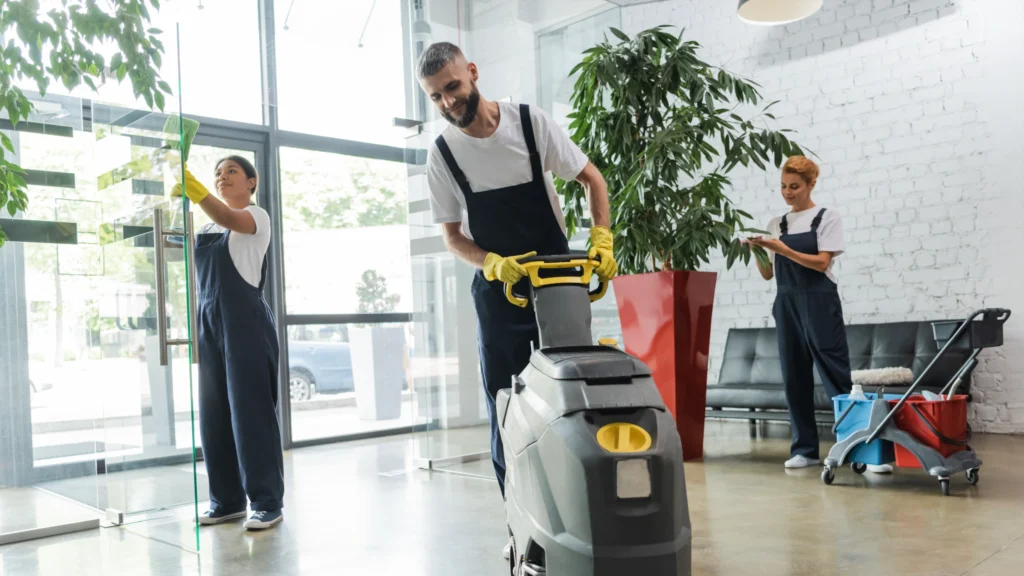
Not every provider that markets itself as green actually follows through with verifiable practices, which makes vetting an important step before signing a contract.
Ask for Specific Certifications
Look for products certified by recognized third-party environmental standards rather than a provider’s own internal claims. A credible partner will have no hesitation sharing documentation for the specific products and equipment they use in your facility.
Review Transparency and Reporting
A strong provider can show exactly what products go into which areas of a facility and why, along with data on water and chemical usage over time. That transparency is often the clearest signal of a program built on substance rather than marketing language. Businesses evaluating vendors this closely often apply the same rigor to their own search engine optimization strategy, expecting the same level of measurable proof from every partner they work with.
Measuring the Impact After the Switch
A credible program does not stop at implementation. Tracking results afterward is what turns a sustainability initiative into a defensible business decision.
Simple Metrics Worth Tracking
Facility managers can track indoor air quality complaints, product usage volumes, and water consumption before and after the transition to build a clear before-and-after picture. Even a simple quarterly comparison gives leadership concrete numbers to point to rather than a general sense that things have improved.
Sharing Results With Stakeholders
Once a few months of data are in hand, sharing that progress with employees, clients, and any relevant certification bodies reinforces the credibility of the program. It also gives a business fresh, factual material to use in marketing and client communications rather than relying on general sustainability language that prospects have grown skeptical of.
Making the Transition Without Disrupting Operations
Businesses considering the switch often worry about disruption more than the practices themselves, but a well-managed transition rarely requires major changes to daily routines.
Starting With a Facility Audit
A thoughtful provider begins with an audit of current products, equipment, and problem areas before recommending changes, rather than applying a blanket switch across every surface and space. That audit also identifies any areas, like certain medical-grade disinfection needs, where a hybrid approach still makes sense.
Phasing In Changes Gradually
Many facilities phase in new products and equipment area by area rather than switching everything at once. That gradual rollout gives facility managers a chance to gather feedback and address any concerns before the full building has transitioned, which reduces the risk of disruption to daily operations.
Communicating the Change Internally
Employees respond better to a new cleaning program when they understand why it is happening. A short internal announcement explaining the health and environmental reasoning behind the switch, paired with the same brand consistency a company applies to its creative and branding work, helps the transition land as a genuine improvement rather than an unexplained change.
Frequently Asked Questions
Is this approach as effective as traditional cleaning?
Yes. Certified green products are formulated to meet the same disinfection and cleaning standards as conventional products, with the difference being reduced chemical harshness and environmental impact rather than reduced performance.
Does green cleaning cost more than traditional commercial cleaning?
The price gap has narrowed significantly in recent years, and concentrated dosing systems often offset any remaining premium through reduced product waste over the course of a contract.
What certifications should businesses look for in a green cleaning provider?
Look for third-party certifications from recognized environmental standards organizations rather than a provider’s own marketing claims, along with documented product lists for transparency.
Can green cleaning help with LEED or other building certifications?
Yes. Many green building certification programs require documented sustainable maintenance practices, and a provider already following these standards simplifies that documentation process considerably.
Will switching to green cleaning disrupt our current cleaning schedule?
A well-planned transition typically happens without disrupting existing schedules, since the change primarily affects the products and equipment used rather than the frequency or scope of service.
Making Sustainability Part of Your Facility Standard
Green commercial cleaning is no longer a niche preference for environmentally minded companies. It is a practical way to protect employee health, meet client expectations, and reduce long-term costs, all while supporting a company’s broader sustainability commitments across every part of the operation. Businesses ready to align their facility practices with the same growth-minded standards they apply elsewhere can talk with LeadOrigin about building a strategy that reflects those values across the board.