
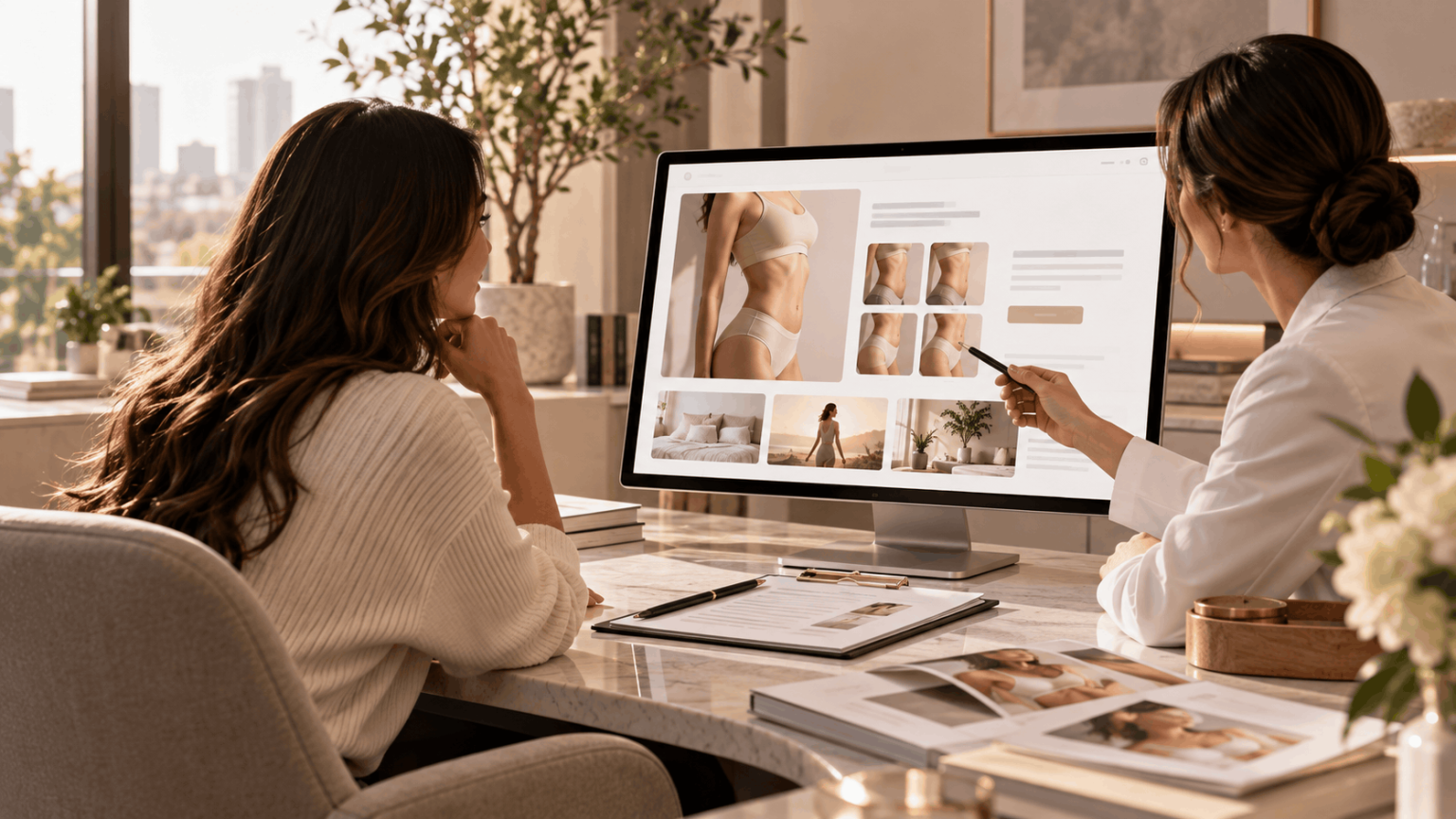
A full consultation calendar means very little if half the appointments are price shoppers, no-shows, or patients who are not candidates. Effective mommy makeover marketing is built to attract the right patient and quietly screen out the wrong one before she ever takes up a surgeon’s time. This guide covers the channels, messaging, and funnel choices that produce consultations worth having.
Why Lead Volume Is the Wrong Goal
Most practices judge their mommy makeover marketing by lead count. That number is easy to inflate and expensive to live with. Every unqualified consultation costs surgeon time, coordinator time, and a slot that a ready patient could have filled.
A mommy makeover is a combined, high-ticket procedure with a long decision cycle. The patient is weighing cost, recovery time with young children at home, and whether now is the right moment. Marketing that promises quick transformations or leans on discounts tends to attract people who are curious rather than committed.
The better target is qualified consultations: patients who understand what the procedure involves, have a realistic sense of the investment, and have a timeline. Fewer leads with a higher show rate and higher booking rate will almost always produce more surgeries than a flood of cold inquiries.
Know the Patient Before You Write a Single Ad
The typical mommy makeover patient is a mother who has finished having children and wants to address changes that diet and exercise have not fixed, usually some combination of loose abdominal skin, separated muscles, and changes in breast volume or position. She has often been thinking about it privately for a long time.
Her concerns are practical as much as aesthetic. Who will care for her kids during recovery? How long before she can lift a toddler again? Is it safe to combine procedures? How much will it really cost once anesthesia and facility fees are included? Can she finance it?
Mommy makeover marketing that answers those questions directly outperforms messaging built on vague promises of confidence. Speak to her real situation, show that your practice understands recovery with a family, and treat her as someone making a careful decision rather than an impulse purchase.

Mommy Makeover Marketing Channels That Attract Ready Patients
Paid Search for Procedure-Ready Searches
Search captures patients who have already named the procedure. Queries like “mommy makeover cost” with a city name, “mommy makeover surgeon near me,” and “tummy tuck and breast lift together” carry strong intent. Tight ad groups, copy that mirrors the search, and a dedicated landing page for each keyword theme keep costs under control.
Negative keywords matter just as much. Terms like “free,” “cheap,” “abroad,” and “payment plans no credit check” can drain a budget with clicks from people unlikely to book. A focused paid search program filters those out from day one.
Paid Social for Consideration-Stage Patients
Where search captures demand, social media builds it. Instagram and Facebook reach mothers who are considering the procedure but have not started searching. Educational content performs well here: a surgeon explaining which procedures are usually combined, a recovery timeline, or a short answer to a common question.
Platform rules shape what you can run. Meta restricts before-and-after imagery and body-focused claims in cosmetic ads, so check current policy before building creative and keep result galleries on your website instead. A specialist paid social ads team will know which formats stay compliant and still perform.
SEO and Procedure Content
Organic search is where patients do their deep research. A strong mommy makeover procedure page, supported by articles on cost, recovery with kids, combining procedures, timing after breastfeeding, and candidacy, captures patients throughout that long research window. Local signals such as a well-maintained Google Business Profile and reviews that name the procedure help you appear when she narrows her search to nearby surgeons.
Email and SMS Nurture
Because the decision often takes months, most leads will not book on first contact. A nurture sequence keeps your practice present without pressure: a recovery planning guide, a financing explainer, a surgeon introduction video, and patient stories spaced over several weeks. Well-planned email marketing turns a cold inquiry into a warm consultation request.
SMS works best for time-sensitive touchpoints such as consultation reminders and confirmation messages. Always collect clear consent before texting, and keep messages short and practical.
Build Qualification Into the Funnel
The most effective way to improve consultation quality is to qualify earlier. A few simple choices at the inquiry stage do most of the work.
Start with the intake form. Ask which procedures she is interested in, her rough timeline, and whether she would like financing information. Keep online forms limited to contact details and general interest, and leave detailed medical history for secure intake after she books. These questions let your coordinator prioritize follow-up and prepare for the call.
Next, be transparent about investment. A realistic price range or a clear explanation of what shapes the total cost will discourage some inquiries, and that is the point. The patients who continue already know roughly what to expect.
Surface financing early. Many strong candidates hesitate because the total feels out of reach. Showing monthly payment options on the procedure page and in follow-up emails moves these patients forward instead of losing them.
Finally, consider a consultation fee credited toward surgery, or a virtual pre-consultation as a first step. Both reduce no-shows and give the surgeon’s time to patients who have committed to the process.
Proof That Earns Trust
A mommy makeover patient is choosing a surgeon for a combined procedure with a real recovery period. She needs evidence, not adjectives.
Before-and-after galleries with a range of body types and procedure combinations answer her biggest question: will this work for someone like me? Get documented consent, show typical results, and add plain disclaimers.
Reviews that mention the procedure by name and describe the recovery support carry more weight than generic praise. Many patients are private about this surgery and will not post unprompted, so a well-timed request after results appear makes a difference. A structured review management system keeps those requests consistent.
Video from the surgeon and, with consent, from past patients shortens the trust gap faster than written content. A short clip on what recovery actually looks like with children at home is more persuasive than any ad headline.
Timing Campaigns Around the Patient’s Calendar
Mothers plan this surgery around family life, and demand tends to follow that rhythm. Many patients look for a recovery window when a partner or relative can help at home, which often means planning around school breaks, holidays, or a stretch of flexible work. Others want to recover before a summer season, a milestone birthday, or a family event.
Use that pattern in your planning. Start educational content and nurture sequences several months before the windows your patients tend to choose, then increase search budgets as those dates approach. Consultation availability matters too. If your surgeon’s calendar is booked out for months, say so on the landing page and invite patients to reserve a consultation early rather than letting them assume you cannot fit them in.
Your own records are the best guide. Look back at when past mommy makeover patients first inquired, when they held their consultation, and when they scheduled surgery. The gaps between those dates show how far ahead each campaign needs to start, and which months deserve the heaviest spend.
Landing Pages That Convert Qualified Visitors
Paid and organic traffic both land somewhere, and that page decides whether interest becomes a consultation. Send mommy makeover traffic to a dedicated page, never the homepage.
The page should open with a headline that matches what she searched, explain which procedures are typically included and how the plan is personalized, and show gallery previews, surgeon credentials, recovery expectations, and financing options. Give her one clear call to action, a short form plus a click-to-call button, and make sure the page loads quickly on a phone, since most of this research happens on mobile. A conversion-focused website design team can build and test these pages as a set.
Measuring Mommy Makeover Marketing by Booked Surgeries
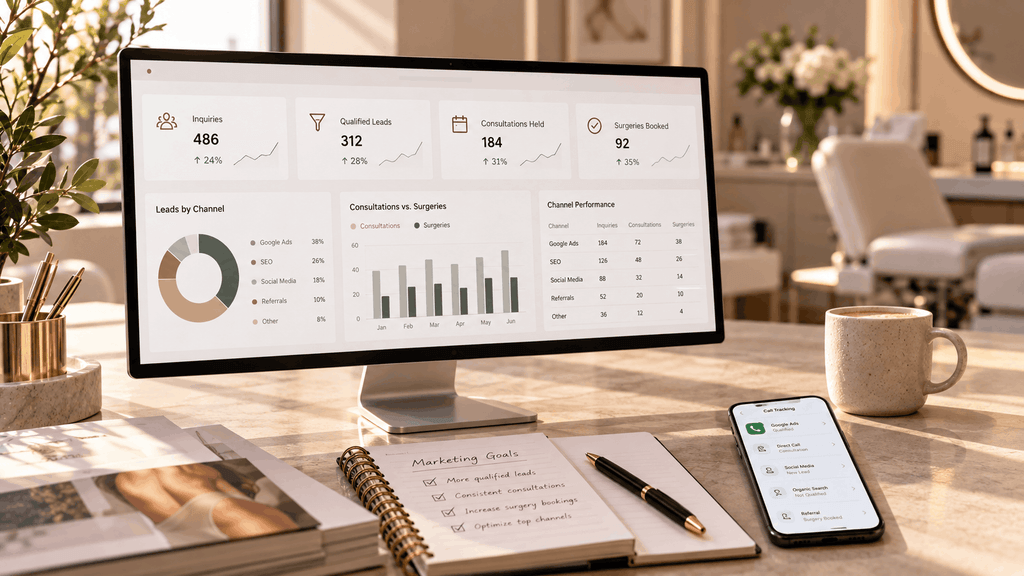
Clicks and form fills are early signals, not results. Track the full path: inquiries, qualified leads, consultations held, and surgeries booked, broken down by channel. Call tracking and a CRM that records the lead source make this possible.
Once the data is in place, patterns appear quickly. One channel may produce fewer leads but a much higher booking rate. One ad theme may drive clicks from patients who never show. Moving budget toward the sources that produce surgeries, not just inquiries, is how mommy makeover marketing becomes more efficient every quarter.
Mommy Makeover Marketing Questions Practices Ask Most
Which channel brings the most qualified mommy makeover leads?
Paid search usually delivers the highest intent because patients are searching the procedure by name. Paid social and SEO build the pipeline for later, while email nurture converts the patients who were not ready on first contact. Most practices see the best results from all four working together.
Should practices advertise mommy makeover prices?
Sharing a realistic range or explaining what drives cost generally improves lead quality. Patients who continue after seeing pricing are better prepared, and coordinators spend less time on inquiries that end at the first price discussion.
How long does it take a mommy makeover lead to book?
It varies widely. Some patients book within weeks, while many take several months to arrange childcare, finances, and time off. That long cycle is why structured follow-up matters as much as the first ad.
Are before-and-after photos allowed in ads?
Rules vary by platform and change often. Meta restricts this imagery in cosmetic ads, and Google reviews landing pages and image content closely. Keep galleries on your website with patient consent and disclaimers, and check each platform’s current policy before launching creative.
How can a practice reduce consultation no-shows?
Qualify earlier with a short intake form, confirm appointments by text and email, and consider a consultation fee that is credited toward surgery. Patients who have shared their timeline and made a small commitment are far more likely to attend.
Turning Interest Into Booked Mommy Makeover Consultations
The practices that grow this service line do not chase more leads. They attract better ones, qualify them early, and follow up with patience. LeadOrigin brings together paid media, SEO, web design, and reputation management as one growth partner, which keeps every channel pointed at the same goal. Contact our team to build a mommy makeover strategy measured by booked surgeries.