
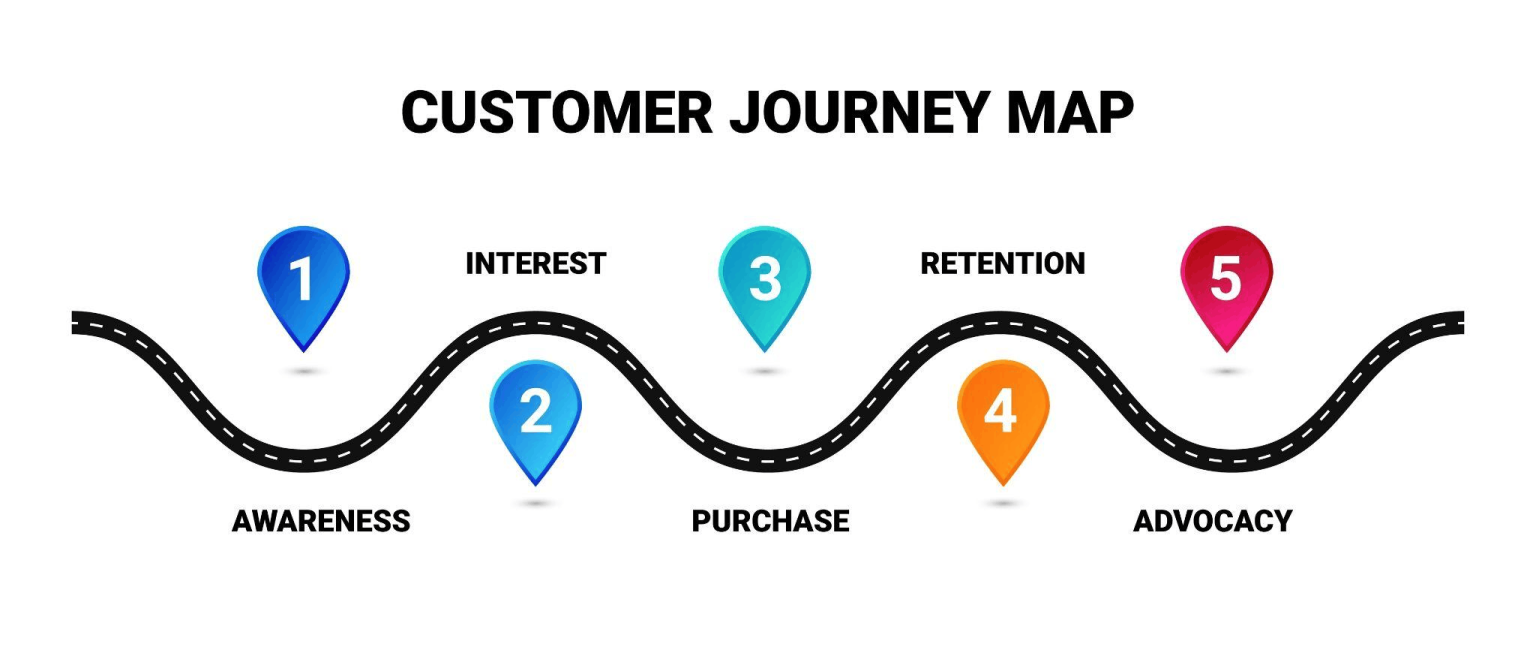
A customer journey map for e-commerce brands shows how shoppers discover products, compare options, make purchases, and interact with a business afterward. It helps you understand the e-commerce customer journey from the customer’s perspective, including the moments that encourage someone to buy and the frustrations that make them leave.
So, how do you turn those interactions into a better shopping experience? Here’s how customer journey mapping works, how to create your own map, and what to improve at every stage.
What Is a Customer Journey Map for E-Commerce Brands?
A customer journey map is a visual representation of the steps customers take when interacting with an online store. It connects customer actions, expectations, emotions, and potential frustrations across different touchpoints, from the first advertisement they see to the support they receive after purchasing.
For e-commerce businesses, the map helps explain how individual interactions contribute to the overall shopping experience.
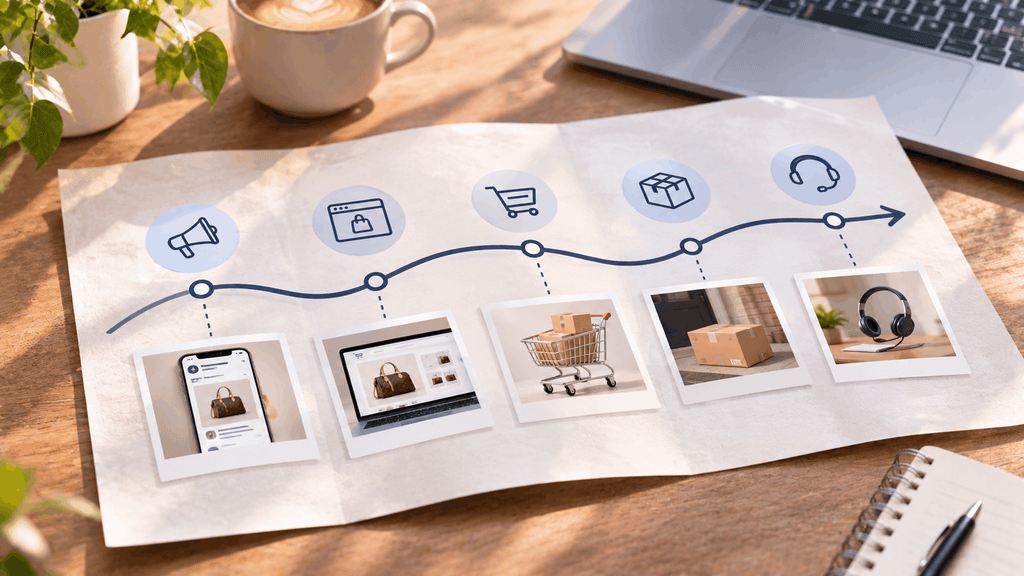
How Does an E-Commerce Customer Journey Map Work?
Customer journey mapping for e-commerce involves identifying the stages shoppers move through, the channels they use, and the decisions they make along the way.
For example, someone might discover a product through Instagram, read reviews on Google, visit the website twice, and finally purchase after receiving an email reminder. Mapping these interactions helps brands understand how customers move between channels and where they may need additional information or support.
Customer Journey Map vs. E-Commerce Conversion Funnel
A customer journey map and an e-commerce conversion funnel are related, but they answer different questions.
The conversion funnel measures how shoppers progress toward a particular action, such as completing a purchase. A journey map provides a broader view of the experience, including what customers are doing, thinking, and feeling throughout the process.
The funnel might show that many shoppers leave during checkout. The journey map helps investigate why, perhaps because shipping costs appear unexpectedly or the payment process feels complicated.
Why Customer Journey Mapping Matters for E-Commerce Brands
Online shoppers rarely follow a perfectly straight path from discovering a product to buying it. They compare prices, read reviews, switch devices, and sometimes leave a cart sitting for days.
Customer journey mapping helps brands understand those behaviors and make better decisions about the e-commerce customer experience.
Understanding Customer Behavior and Purchase Decisions
A journey map reveals what customers need at different points in their shopping experience.
First-time visitors may want to understand the brand, while returning shoppers might be comparing specific products. Recognizing those differences helps businesses provide relevant information rather than treating every visitor the same way.
Identifying Friction Points in the Online Shopping Experience
Small frustrations can interrupt an otherwise promising purchase. Confusing navigation, missing product details, unexpected delivery fees, or limited payment options may cause shoppers to leave.
Mapping the journey helps teams identify where these problems occur and which ones deserve attention first.
Improving E-Commerce Conversion Rates
Understanding why shoppers hesitate gives brands opportunities to improve product pages, checkout processes, and promotional messaging.
Better information and fewer unnecessary steps can make purchasing easier, although improvements should be tested rather than assumed to increase conversions.
Increasing Customer Retention and Lifetime Value
The customer journey continues after checkout. Delivery updates, product support, returns, and follow-up communication all influence the likelihood of another purchase.
A positive post-purchase experience can encourage customers to return and potentially increase their lifetime value.
Creating Consistent Omnichannel Customer Experiences
Customers may interact with a brand through social media, search engines, email, customer service, and its website.
Journey mapping helps businesses connect these interactions so customers receive consistent information and don’t have to start over every time they switch channels.
The 5 Key E-Commerce Customer Journey Stages
The five e-commerce customer journey stages describe how shoppers move from discovering a brand to potentially recommending it to others. Customers may revisit earlier stages or skip certain interactions, but this framework provides a useful starting point.
Stage 1 – Awareness: How Customers Discover E-Commerce Brands
Awareness begins when someone first encounters your brand or product. This might happen through search results, social media, paid advertising, influencer recommendations, or word of mouth.
The goal is to introduce the brand and help potential customers understand what it offers. Clear messaging and relevant content can make that first interaction useful.
Stage 2 – Consideration: How Online Shoppers Evaluate Products
Interested shoppers begin comparing products, reading reviews, checking specifications, and evaluating prices.
Product descriptions, comparison information, FAQs, customer reviews, and clear policies can help them decide if the product meets their needs.
Stage 3 – Conversion: Turning E-Commerce Visitors Into Customers
Conversion happens when a shopper completes a desired action, typically a purchase.
A straightforward checkout, transparent pricing, appropriate payment options, and clear delivery information can reduce uncertainty during this stage.
Stage 4 – Retention: Encouraging Repeat Purchases
After purchasing, customers evaluate the experience based on delivery, product quality, communication, and customer support.
Helpful follow-up emails, responsive service, and relevant product recommendations can encourage future purchases.
Stage 5 – Advocacy: Turning Customers Into Brand Promoters
Satisfied customers may recommend the brand, leave reviews, share products on social media, or refer friends.
Brands can encourage advocacy by delivering a positive experience and making it easy for customers to share honest feedback.
How to Create a Customer Journey Map for E-Commerce Brands
You don’t need a complicated diagram to get started. A useful journey map begins with understanding your customers and documenting how they interact with your store.
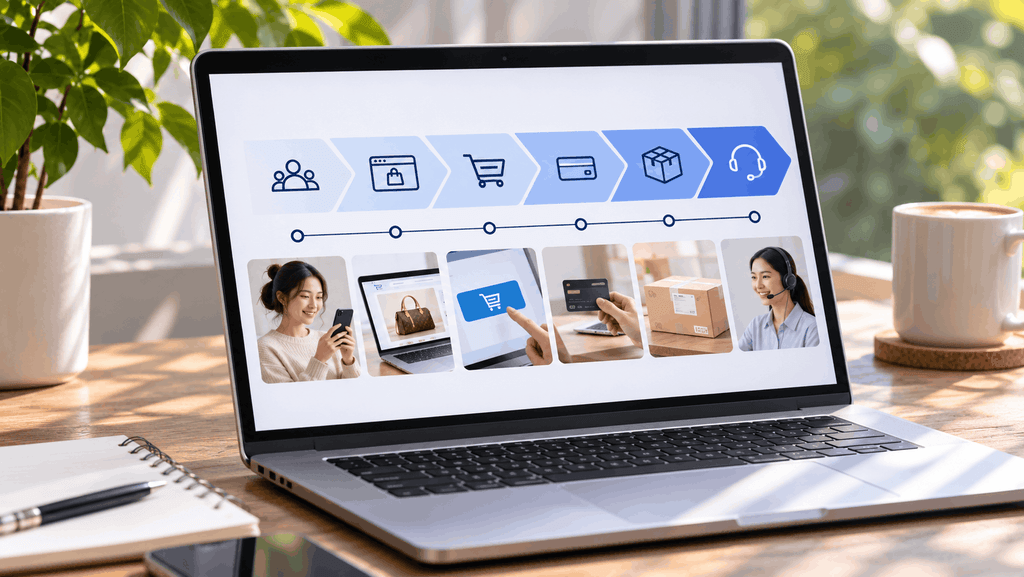
Step 1 – Define Your E-Commerce Customer Personas
Identify the main customer groups your business serves. Consider their needs, shopping habits, motivations, and common concerns.
A first-time skincare buyer may need educational content, while an experienced customer might care primarily about ingredients and price. Different customer groups may require separate journey maps.
Step 2 – Identify the Main Customer Journey Touchpoints
List the places where customers interact with your brand, including search engines, social media, advertisements, product pages, checkout, email, and customer support.
Include post-purchase interactions such as order tracking, returns, and review requests.
Step 3 – Map Customer Actions Across Each Journey Stage
Document what customers do at each stage. How do they discover products? Which pages do they visit? What information do they look for before buying?
Then consider their likely questions, expectations, and frustrations. Use customer feedback and observed behavior to support these assumptions.
Step 4 – Identify Customer Pain Points and Barriers
Look for moments where customers struggle, hesitate, or abandon the process.
Common examples include difficult navigation, unclear sizing information, slow-loading pages, complicated checkout forms, and unexpected shipping charges.
Step 5 – Analyze Customer Behavior Using E-Commerce Analytics
Use website analytics, conversion reports, customer feedback, and behavioral tools to understand how shoppers interact with your store.
Look for patterns such as high exit rates on particular pages, abandoned checkout steps, or repeated customer support questions.
Step 6 – Develop Strategies to Optimize Each Customer Touchpoint
Turn your findings into practical improvements. If customers struggle to compare products, improve product information. If checkout abandonment is high, investigate the payment process and delivery costs.
Prioritize changes based on customer impact and test them where possible.
Step 7 – Monitor and Update Your Customer Journey Map
Customer behavior changes as your products, website, and marketing channels evolve.
Review the map regularly, especially after major website updates, product launches, or changes in customer feedback.
Customer Journey Mapping Examples for E-Commerce Brands
Looking at different industries makes the process easier to understand. These customer journey mapping examples show how shoppers may move through the same five stages while having different needs.
| Journey Stage | Online Fashion Store | Electronics Store | Beauty and Skincare Brand |
| Awareness | Discovers an outfit through Instagram | Finds a product through a Google search | Watches a creator’s skincare routine |
| Consideration | Checks sizing, fabric, and reviews | Compares specifications and warranties | Reviews ingredients and skin compatibility |
| Conversion | Selects size and completes checkout | Confirms features, delivery, and payment | Purchases a recommended product |
| Retention | Receives styling suggestions | Gets setup guides and support | Receives product-use tips |
| Advocacy | Shares an outfit photo or review | Recommends the product | Shares an honest product experience |
Example 1 – Customer Journey Map for an Online Fashion Store
A shopper discovers a dress through a social media post and visits the store to explore available styles. Before buying, they check sizing charts, customer photos, delivery estimates, and return policies.
If sizing information is unclear, they may leave. Adding detailed measurements and realistic product photos can help address that hesitation.
Example 2 – Customer Journey Map for an Electronics E-Commerce Store
Someone searching for new headphones may compare several models before making a decision.
Specifications, compatibility information, product comparisons, warranties, and customer reviews can influence their choice. After purchasing, setup instructions and technical support become important parts of the experience.
Example 3 – Customer Journey Map for a Beauty and Skincare Brand
A customer discovers a skincare product through a creator’s video, then visits the website to learn about ingredients and recommended use.
They may need reassurance about skin compatibility before purchasing. Clear product information, usage instructions, and realistic expectations can help them make an informed decision.
How to Optimize the E-Commerce Customer Journey for More Conversions
Once you’ve mapped the journey, the next step is improving it. E-commerce customer journey optimization involves making individual interactions easier, clearer, and more relevant to shoppers.
Improve Website Navigation and Product Discovery
Customers should be able to find relevant products without digging through confusing menus.
Clear categories, useful filters, accurate search results, and intuitive navigation can make product discovery easier.
Optimize Product Pages for Search Intent and Conversions
Product pages should answer the questions shoppers are likely to ask before buying.
Include accurate descriptions, useful images, specifications, pricing, availability, shipping information, and relevant reviews. The goal is to give customers enough information to make a decision.
Personalize the Online Shopping Experience
Relevant product recommendations and messaging can help customers discover items that match their interests.
Personalization should be based on appropriate data practices and genuine customer needs rather than simply showing people as many recommendations as possible.
Reduce Shopping Cart Abandonment
Review the checkout experience for unnecessary steps and unexpected costs.
Transparent shipping fees, clear delivery estimates, suitable payment methods, and straightforward forms can help reduce friction.
Strengthen Post-Purchase Communication
Customers should know what happens after they place an order.
Order confirmations, tracking updates, delivery information, and accessible customer support can make the experience feel organized and reliable.
Use Retargeting and Email Marketing to Re-Engage Customers
Some shoppers need additional time before purchasing. Relevant email reminders and retargeting campaigns can help them return to products they’ve considered.
Use these channels thoughtfully, respecting customer preferences and applicable consent requirements.
Tools for Creating and Analyzing an E-Commerce Customer Journey Map
Several tools can help businesses understand customer behavior and organize their findings. The right combination depends on your store, available data, and team resources.
Google Analytics 4 for Customer Behavior Analysis
Google Analytics 4 can help businesses analyze website traffic, user engagement, e-commerce events, and purchasing behavior.
Reports and explorations can reveal how visitors move through key actions and where they may leave the purchasing process.
Heatmaps and Session Recording Tools
Heatmaps can show where users click or scroll, while session recordings can help teams observe how visitors interact with website pages.
These tools can be useful for identifying navigation problems and confusing page elements. Configure them with appropriate privacy protections, particularly around personal and payment information.
Customer Relationship Management and Email Marketing Platforms
CRM and email marketing platforms help businesses organize customer interactions and understand engagement across campaigns.
They can also support follow-up communication, segmentation, and customer retention activities.
Customer Journey Mapping and Visualization Tools
Visualization tools such as Miro, Lucidchart, and similar platforms can help teams organize journey stages, touchpoints, customer actions, and improvement opportunities.
Even a well-structured spreadsheet can work for a smaller business. The information and insights matter more than how elaborate the diagram looks.
Key Metrics to Measure E-Commerce Customer Journey Performance
A journey map becomes more useful when you can measure what happens at important touchpoints.
Relevant metrics include conversion rate, cart abandonment rate, checkout completion rate, customer acquisition cost, repeat purchase rate, customer lifetime value, and customer satisfaction.
How to Identify Customer Drop-Off Points
Start by examining where shoppers leave the purchasing process.
For example, a high product-page exit rate may suggest customers aren’t finding the information they need. A high checkout abandonment rate could indicate unexpected fees, payment issues, or other friction.
Use analytics alongside customer feedback to investigate the actual cause before making changes.
How to Measure Improvements in Customer Experience
Compare performance before and after making changes, using consistent reporting periods and relevant customer segments.
Look at both purchasing behavior and experience-related signals, such as customer support inquiries, satisfaction feedback, returns, and repeat purchases. When possible, use controlled testing to determine whether an improvement contributed to better results.
A customer journey map is ultimately a practical tool for understanding what shoppers experience and deciding where your business can improve. LeadOrigin helps e-commerce brands connect customer insights with website optimization, digital advertising, and marketing strategies that support the entire buying journey.
Want to make it easier for customers to discover your products and complete their purchases? Contact LeadOrigin to discuss how your e-commerce marketing and customer experience can work better together.
Frequently Asked Questions
What Is a Customer Journey Map for E-Commerce Brands?
A customer journey map for e-commerce brands is a visual representation of how shoppers interact with an online business, from discovering products to purchasing and post-purchase engagement. It identifies customer actions, touchpoints, expectations, and potential frustrations throughout the experience.
What Are the Five Stages of the E-Commerce Customer Journey?
The five stages of the e-commerce customer journey are awareness, consideration, conversion, retention, and advocacy. These stages describe how customers discover a brand, evaluate products, make purchases, return for future orders, and potentially recommend the business to others.
How Do You Create a Customer Journey Map for an Online Store?
Start by defining customer personas, identifying touchpoints, and documenting customer actions across the buying journey. Use website analytics and customer feedback to identify pain points, develop improvements, and update the map as customer behavior changes.
Why Is Customer Journey Mapping Important for E-Commerce Businesses?
Customer journey mapping helps e-commerce businesses understand shopping behavior, identify friction points, improve conversion opportunities, and strengthen customer retention. It also helps teams create a consistent experience across websites, advertising, email, and customer support.
What Tools Can Help Create an E-Commerce Customer Journey Map?
Google Analytics 4 can help analyze customer behavior, while heatmaps and session recording tools provide additional insights into website interactions. CRM platforms, email marketing tools, and visualization software such as Miro or Lucidchart can help organize touchpoints and create the journey map.