High-ticket cosmetic procedures require a specialized marketing approach focused on trust, education, and long-term lead nurturing. Effective high-ticket procedure marketing helps cosmetic surgery practices attract qualified patients actively researching facelifts, implants, and premium aesthetic treatments.
Strong facelift marketing and breast implant marketing campaigns combine SEO, paid advertising, landing page optimization, and patient trust signals to increase consultation bookings and procedure revenue. This guide explains how practices can improve high-ticket patient acquisition while building a scalable patient conversion strategy for premium cosmetic procedures.
Why High-Ticket Procedure Marketing Requires A Different Strategy
High-value cosmetic procedures involve longer decision timelines, larger financial commitments, and greater emotional consideration. Effective high-ticket procedure marketing focuses on trust, authority, and consistent follow-up rather than fast lead generation alone.
Patients Take Longer To Make A Decision
Patients researching facelifts and implants often spend 3 to 12 months comparing surgeons, recovery timelines, and expected outcomes. Marketing systems must support multiple touchpoints before a consultation is booked.
Trust And Authority Matter More Than Price
Patients selecting cosmetic surgery providers prioritize surgeon expertise, before-and-after results, and reputation over low pricing. Strong credibility signals improve consultation conversion rates for premium procedures.
Not Every Lead Is Ready To Book Immediately
Many cosmetic surgery leads begin as information seekers rather than immediate buyers. A successful patient conversion strategy nurtures leads through educational content, retargeting, and follow-up communication.
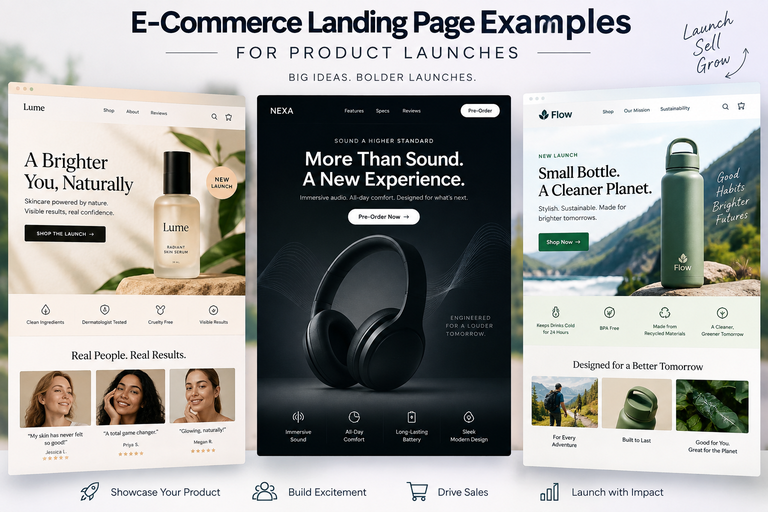
Build Dedicated Landing Pages For Each High-Ticket Procedure
Dedicated landing pages improve conversion rates because patients want procedure-specific information immediately. Focused pages also improve SEO rankings for high-intent cosmetic surgery searches.
Create Separate Pages For Facelifts And Implants
Separate pages help practices target keywords tied directly to patient intent and procedure research. Dedicated pages strengthen both facelift marketing and breast implant marketing performance.
| Procedure Page | Primary Goal | Recommended Content |
| Facelift Landing Page | Consultation bookings | Recovery details, before-and-after photos, FAQs |
| Breast Implant Page | Lead generation | Implant types, sizing guide, outcomes |
| Revision Procedure Page | Trust building | Corrective expertise, patient testimonials |
| Mini Facelift Page | Local SEO visibility | Downtime, pricing expectations, and candidacy |
Include Patient-Focused Content
Landing pages should answer common patient questions within the first few scrolls. Include recovery expectations, candidacy guidelines, financing options, and procedure timelines.
Add Strong Conversion Elements
Every landing page should feature consultation forms, click-to-call buttons, and prominent patient reviews. Strong calls to action improve high-ticket patient acquisition performance across both paid and organic traffic.
Use SEO To Capture High-Intent Cosmetic Surgery Searches
SEO attracts patients actively researching cosmetic procedures in specific geographic markets. High-intent organic traffic often converts better than broad awareness campaigns.
Target Procedure-Specific Keywords
Procedure-focused searches signal strong purchase intent and consultation readiness. Keywords like “deep plane facelift surgeon in Dallas” typically outperform generic cosmetic surgery phrases.
Create Supporting Blog Content
Educational blog content expands topical authority and supports procedure landing pages. Practices should publish content covering recovery timelines, candidacy factors, implant options, and surgical comparisons.
Strengthen Local SEO Visibility
Local SEO helps practices appear in map listings and location-based searches. Optimized Google Business Profiles, location pages, and regional keywords improve consultation opportunities in competitive cities.
Invest In Paid Ads For High-Intent Patient Acquisition
Paid advertising accelerates visibility for cosmetic surgery practices targeting premium procedures. Strong campaign segmentation improves lead quality while lowering wasted ad spend.
Use Google Ads For Patients Actively Searching
Google Ads target patients already researching facelifts and implants with commercial intent. Search campaigns typically produce stronger consultation rates than broad awareness ads.
Use Social Ads For Awareness And Retargeting
Instagram and Facebook ads help practices stay visible during longer decision cycles. Social campaigns work especially well for visual procedures supported by strong before-and-after galleries.
Segment Campaigns By Procedure And Intent
Separate campaigns improve messaging accuracy and audience targeting efficiency. Practices should avoid combining facelift, implant, and body contouring audiences into one generic campaign.
Build Trust With Before-And-After Galleries And Social Proof
Trust signals heavily influence cosmetic surgery consultation decisions. Patients want visual proof, third-party validation, and reassurance before scheduling consultations.
Showcase Realistic Results
Before-and-after galleries should display consistent lighting, multiple angles, and realistic outcomes. An authentic presentation increases patient confidence and reduces skepticism.
Use Patient Testimonials Strategically
Testimonials work best when tied to specific concerns, procedures, or recovery experiences. Video reviews often outperform written reviews for premium cosmetic procedures.
Highlight Surgeon Credentials And Experience
Patients researching cosmetic surgery carefully evaluate the surgeon’s expertise and specialization. Board certifications, years of experience, and procedure volume strengthen credibility significantly.

Create Educational Content That Helps Patients Feel Confident
Educational content reduces uncertainty and improves consultation readiness. Patients who understand procedures beforehand tend to convert at higher rates.
Answer Common Pre-Consultation Questions
Content should explain recovery timelines, pain expectations, scarring concerns, and financing details clearly. Informative answers reduce hesitation during the research phase.
Compare Treatment Options
Patients frequently compare surgical and non-surgical procedures before committing. Comparison content helps practices position procedures honestly while improving topical authority.
| Comparison Topic | Patient Concern Addressed |
| Facelift vs Fillers | Longevity and results |
| Silicone vs Saline Implants | Safety and feel |
| Mini Facelift vs Full Facelift | Downtime and pricing |
| Implants vs Fat Transfer | Natural appearance |
Use Content To Reduce Consultation Friction
Educational resources prepare leads before the consultation even begins. Better-informed patients ask more focused questions and move through consultations faster.
Use Retargeting To Re-Engage Interested Patients
Retargeting keeps practices visible during extended cosmetic surgery decision cycles. Repeated exposure builds familiarity and increases return visits.
Retarget Website Visitors
Website visitors who viewed procedure pages already demonstrated meaningful interest. Retargeting ads help bring these users back to schedule consultations.
Retarget By Procedure Interest
Procedure-specific retargeting improves relevance and engagement rates. A patient researching implants should receive different messaging than someone researching facelifts.
Use Trust-Building Retargeting Content
Retargeting campaigns should emphasize testimonials, surgeon expertise, and patient outcomes instead of aggressive promotions. Trust-focused creative improves long-term conversion performance.
Improve Consultation Conversion With Strong Lead Nurturing
Lead generation alone does not guarantee booked procedures. Strong nurturing systems improve consultation attendance and surgical conversion rates.
Respond Quickly To New Leads
Practices responding within 5 to 15 minutes typically outperform slower competitors significantly. Fast response times increase consultation booking probability dramatically.
Use Email And SMS Follow-Up Sequences
Automated follow-up keeps practices connected with undecided leads consistently. Email and SMS sequences should provide educational content, FAQs, and consultation reminders.
Train The Front Desk Or Sales Team
Front desk teams heavily influence the patient experience before consultations occur. Staff training should focus on empathy, confidence-building, and objection handling.
LeadOrigin helps cosmetic surgery practices improve lead nurturing workflows through conversion-focused marketing systems designed for premium patient acquisition.
Position The Practice Around Premium Patient Experience
Luxury cosmetic procedures require premium branding and patient experience alignment. High-end positioning improves perceived value and attracts more qualified patients.
Emphasize Personalization And Discretion
Patients investing in cosmetic surgery expect privacy and individualized care. Personalized consultations and concierge-style communication improve patient satisfaction significantly.
Showcase The Full Patient Journey
Practices should explain every stage from consultation to recovery support clearly. Transparent communication reduces anxiety while strengthening trust.
Avoid Generic Or Discount-Led Messaging
Discount-heavy advertising can weaken premium brand positioning quickly. High-value cosmetic surgery marketing should focus on expertise, safety, outcomes, and patient experience.
Track The Metrics That Matter For High-Ticket Procedure Marketing
Revenue-focused metrics provide more insight than lead volume alone. Practices should prioritize profitability and consultation quality over raw inquiry counts.
Monitor Lead Quality, Not Just Lead Volume
High lead volume means little if consultations fail to convert into procedures. Practices should evaluate patient fit, intent, and procedure interest carefully.
Measure Consultation Booking Rate
Consultation booking rate reveals how effectively leads move through the funnel. Strong-performing cosmetic surgery campaigns often achieve booking rates between 20% and 40%.
Track Procedure Revenue From Marketing Channels
Revenue attribution helps practices identify their most profitable acquisition channels. Tracking ROI by procedure type improves future marketing allocation decisions.
| Marketing Channel | Typical Strength |
| SEO | Long-term lead generation |
| Google Ads | High-intent traffic |
| Instagram Ads | Visual engagement |
| Retargeting | Conversion recovery |
| Email Nurturing | Consultation follow-up |
Common Mistakes To Avoid In High-Ticket Procedure Marketing
Avoiding common marketing mistakes protects ad budgets and improves patient conversion rates. Many cosmetic surgery practices lose qualified leads through poor user experience and weak follow-up systems.
Sending All Traffic To The Homepage
Homepage traffic often converts poorly because users cannot find procedure-specific information quickly. Dedicated landing pages produce stronger conversion performance.
Using Weak Or Generic Calls To Action
Generic phrases like “Learn More” fail to create urgency or direction. Clear CTAs such as “Schedule Your Facelift Consultation” perform better.
Ignoring Follow-Up After The First Inquiry
Many cosmetic surgery patients require multiple follow-ups before booking consultations. Practices that stop communication too early lose potential revenue opportunities.
Focusing Only On Ads Without Building Trust
Paid traffic alone cannot overcome weak credibility or poor patient experience. Trust-building assets remain essential for successful high-ticket procedure marketing.
FAQs About High-Ticket Procedure Marketing
What Is High-Ticket Procedure Marketing?
High-ticket procedure marketing is the strategy used to attract and convert patients for higher-value medical or cosmetic procedures, such as facelifts, implants, body contouring, and surgical aesthetics.
What Is The Best Marketing Strategy For Facelifts?
The best facelift marketing strategy combines SEO, procedure-specific landing pages, paid search ads, before-and-after galleries, patient testimonials, and lead nurturing.
How Can Plastic Surgeons Get More Implant Leads?
Plastic surgeons can generate more implant leads through targeted breast implant marketing, high-intent keyword targeting, educational content, and optimized consultation funnels.
Do Paid Ads Work For High-Ticket Cosmetic Procedures?
Yes. Paid ads perform well when campaigns are segmented correctly, landing pages are optimized, and leads receive timely follow-up communication.
Why Is SEO Important For High-Ticket Procedures?
SEO helps cosmetic surgery practices appear when patients actively research procedures, compare providers, and evaluate trusted specialists in their local market.
Build A Marketing System Designed For Premium Cosmetic Procedures
Effective high-ticket procedure marketing combines SEO, paid advertising, trust-building content, retargeting, and consultation nurturing into one connected system. Practices investing in strong facelift marketing, breast implant marketing, and long-term high-ticket patient acquisition strategies position themselves for higher consultation quality and stronger procedure revenue growth.
A scalable patient conversion strategy also depends on consistent follow-up, premium branding, and data-driven optimization across every marketing channel. LeadOrigin helps cosmetic surgery practices strengthen digital visibility, improve consultation conversion, and build sustainable growth systems for competitive aesthetic markets. Contact us today!