Are your marketing efforts taking too much time while results feel inconsistent or hard to track? Many teams face this challenge as campaigns grow more complex and customer expectations continue to rise. Managing emails, ads, follow-ups, and reporting manually can quickly become overwhelming.
Marketing automation helps solve this by streamlining tasks and organizing communication through automated marketing workflows. With the right approach to automation in marketing, businesses can improve marketing efficiency, reduce manual work, and create more consistent results. From email marketing automation to full marketing process automation, automation allows teams to focus on strategy while systems handle execution in the background.
Introduction to Marketing Automation
Marketing has evolved into a fast-moving, data-driven process where timing, personalization, and consistency all play a role in performance. Businesses that rely only on manual execution often struggle to keep up with demand, which makes workflow automation a key part of modern strategies.
What Marketing Automation Means
Marketing automation refers to using technology to manage and execute marketing tasks automatically. This includes sending emails, segmenting audiences, and running campaigns through structured automated marketing workflows that respond to user behavior.
Why Efficiency Matters in Modern Marketing
As campaigns expand across multiple channels, teams need systems that help them improve marketing efficiency without increasing workload. Efficient processes allow businesses to stay consistent and responsive while handling more leads and customers.
How Automation Helps Team Save Time and Scale Faster
Automation in marketing reduces repetitive tasks and organizes communication into scalable systems. With marketing process automation, teams can handle more campaigns and audiences without adding extra manual effort.
What Is Marketing Automation?
At its core, marketing automation simplifies how businesses manage campaigns and customer communication. It connects tools, data, and workflows to create a more structured and efficient system.
Definition and Core Functions
Marketing automation includes tools and systems that manage tasks like email campaigns, lead tracking, and audience segmentation. These systems rely on workflow automation to trigger actions based on user behavior.
Common Marketing Tasks That Can Be Automated
Tasks such as email marketing automation, lead nurturing, follow-ups, and campaign scheduling can all run through automated marketing workflows, reducing the need for manual intervention.
Difference Between Automation and Manual Marketing Processes
Manual marketing relies on constant input and monitoring, while marketing process automation allows campaigns to run continuously. This shift improves consistency and helps teams focus on strategy rather than execution.

Key Benefits of Using Automation in Marketing
Businesses that adopt automation in marketing often see immediate improvements in productivity and results.
Saving Time On Repetitive Tasks
Repetitive activities like sending emails or updating lists can be handled through workflow automation, freeing up time for more strategic work.
Improving Lead Nurturing and Follow-Up
Structured automated marketing workflows allow businesses to stay connected with leads through consistent communication and timely follow-ups.
Creating More Consistent Customer Communication
Consistency builds trust. Marketing automation ensures messages are delivered on time and aligned across all channels.
Increasing Campaign Accuracy and Reducing Human Error
Automated systems reduce mistakes that can happen with manual input, improving overall campaign quality.
Enhancing Reporting and Performance Tracking
With marketing process automation, businesses can track results more accurately and use data to refine strategies.
Areas Where Automation Improves Marketing Efficiency
Automation can be applied across multiple areas, helping teams manage campaigns more effectively.
Email Marketing Automation
Email marketing automation allows businesses to send targeted messages based on user behavior, improving engagement and conversions.
Social Media Scheduling and Publishing
Scheduled posts and automated publishing help maintain consistent activity across platforms.
Lead Generation and Lead Scoring
Automation in marketing helps identify and prioritize high-quality leads using data-driven scoring systems.
Customer Segmentation and Audience Targeting
Segmenting audiences through workflow automation improves targeting and makes campaigns more relevant.
CRM and Sales Pipeline Automation
Integrating marketing automation with CRM systems helps align marketing and sales efforts.
Workflow Automation for Internal Marketing Teams
Internal processes also benefit from workflow automation, improving collaboration and reducing delays.
How Automation Supports the Customer Journey
Every stage of the customer journey benefits from structured communication and timely interactions.
Automating Awareness Stage Touchpoints
Marketing automation helps introduce your brand through scheduled emails and content distribution.
Nurturing Prospects with Personalized Content
Automated marketing workflows deliver relevant content that keeps prospects engaged and informed.
Trigger-Based Follow-Ups for Conversions
Behavior-based triggers support conversions by sending timely follow-ups when users take specific actions.
Post-Purchase Communication and Retention Campaigns
Retention becomes easier with email marketing automation that keeps customers engaged after a purchase.
Marketing Automation Tools and Features to Consider
Choosing the right tools plays a big role in how effectively you can improve marketing efficiency.
Email Sequences and Drip Campaigns
These features allow businesses to build structured automated marketing workflows for ongoing communication.
Behavioral Triggers and Event-Based Workflows
Triggers help deliver the right message at the right time through workflow automation.
Analytics Dashboards and Campaign Reporting
Clear reporting supports better decision-making and campaign optimization.
Integrations with CRM, Websites, and Ad Platforms
Strong integrations enhance marketing process automation and create a more connected system.
Personalization and Dynamic Content Features
Personalization improves engagement and strengthens automation in marketing strategies.
Best Practices for Using Automation Effectively
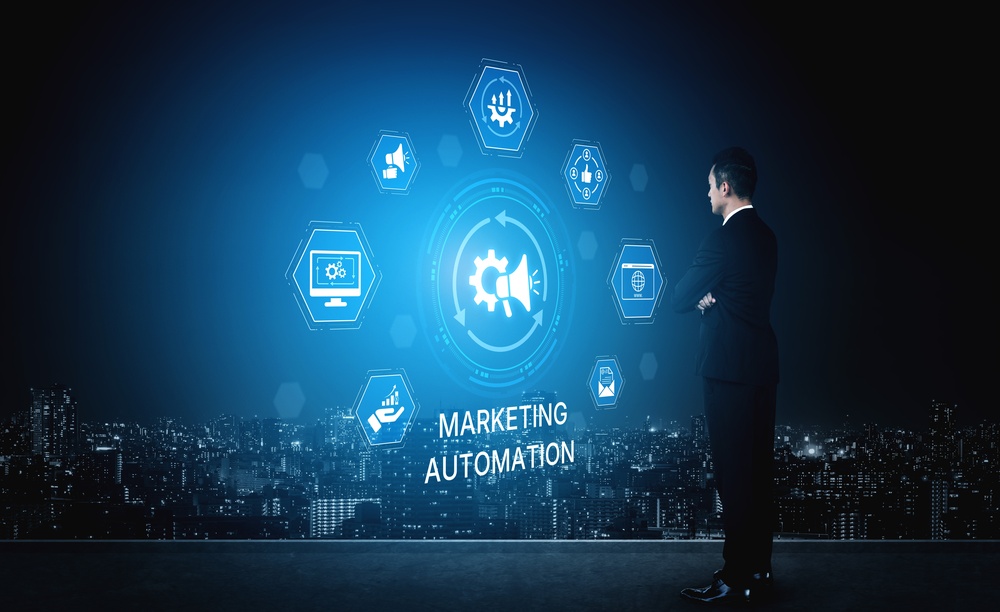
Using marketing automation effectively requires planning and ongoing refinement.
Start with Clear Campaign Goals
Each workflow should have a defined purpose to guide performance.
Map Out Workflows Before Automating
Planning helps ensure automated marketing workflows align with customer journeys.
Keep Messaging Personal and Human
Even with automation, communication should feel natural and relevant.
Review and Optimized Automated Campaigns Regularly
Continuous improvement helps maintain strong results and supports efforts to improve marketing efficiency.
Balance Automation with Real Customer Interaction
Automation works best alongside human interaction, creating a more complete experience.
Common Marketing Automation Mistakes to Avoid
Avoiding common issues helps maximize the value of marketing automation.
Over-Automating Every Touchpoint
Too much automation can make communication feel impersonal. A balanced approach works better.
Sending Generic or Irrelevant Messages
Targeting and personalization are key to effective automation in marketing.
Ignoring Data Quality and Segmentation
Accurate data supports better automated marketing workflows and stronger results.
Failing to Monitor Workflow Performance
Regular monitoring helps improve marketing process automation and overall performance.
Not Aligning Automation with Sales and Business Goals
Alignment between teams improves results and supports long-term growth.
How to Get Started With Marketing Automation
Getting started with marketing automation begins with identifying the areas that take the most time or create the most friction. Many businesses start with email marketing automation, then expand into lead nurturing, segmentation, and full workflow automation. Choosing the right tools, setting clear goals, and building simple workflows first helps create a strong foundation before scaling into more advanced marketing process automation.
The Future of Marketing Efficiency Through Automation
Automation continues to evolve, offering new ways to improve performance and scale marketing efforts.
Smarter Personalization with AI and Automation
AI-driven tools are making automation in marketing more precise and effective.
Better Cross-Channel Campaign Coordination
Integrated systems improve consistency across email, ads, and content channels.
Scalable Marketing Systems for Growing Businesses
Businesses can continue to improve marketing efficiency as they grow by expanding their use of automated marketing workflows.
Build Smarter Marketing Systems With Automation
Marketing automation has become a key part of building efficient, scalable marketing strategies. Businesses that invest in automation in marketing, email marketing automation, and workflow automation create systems that support growth without adding unnecessary complexity.
Our team at LeadOrigin helps businesses design and implement marketing process automation strategies that improve performance and drive measurable results. If your current processes feel time-consuming or inconsistent, now is a good time to explore how automation can support your next stage of growth. Contact us today to learn more.
References
- ISA – What is Automation? – ISA
- Harvard Business Review – Automation to Boost Sales and Marketing
- Salesforce – What Is Marketing Automation
Frequently Asked Questions
How does automation improve marketing efficiency?
Marketing automation improves efficiency by reducing manual work, organizing communication, and allowing businesses to manage campaigns through automated marketing workflows.
Is marketing automation only for large businesses?
Businesses of all sizes can benefit from automation in marketing, especially those looking to scale and improve consistency.
Can automation make marketing feel less personal?
Automation can still feel personal when businesses use data and segmentation to deliver relevant messages.
What should businesses automate first?
Many businesses start with email marketing automation, then expand into lead nurturing, segmentation, and full workflow automation.