
Adding $250K+ in new monthly surgical revenue requires more than running ads or posting on social media. Sustainable surgical revenue growth comes from aligning lead generation, patient nurturing, consultation conversion, and operational tracking into one predictable system.
This guide explains how successful clinics use plastic surgery marketing to attract qualified patients, increase surgical bookings, and improve plastic surgery practice growth through measurable marketing and conversion strategies. You will also learn how procedure selection, landing pages, follow-up systems, and consultation optimization directly impact revenue production.
Why Surgical Revenue Growth Requires A Different Marketing Strategy
Surgical revenue growth depends on attracting high-intent patients and guiding them through a longer decision-making process. Surgical procedures involve larger financial commitments, more research, and greater trust compared to non-surgical treatments.
High-Ticket Procedures Have A Longer Decision Cycle
Patients considering surgical procedures often spend weeks or months researching providers, pricing, recovery timelines, and outcomes. Clinics that stay visible during this period generate higher consultation rates and stronger conversion opportunities.
Not All Leads Are Ready To Book Surgery
Many inquiries come from patients gathering information instead of scheduling immediately. Effective plastic surgery marketing systems nurture undecided leads until they are prepared to move forward.
Revenue Growth Depends On Both Lead Volume And Conversion
Generating leads alone does not guarantee profitability because consultation quality and surgical close rates determine actual revenue. Practices that optimize both acquisition and conversion consistently increase surgical bookings at a faster pace.
Step 1: Identify The Most Profitable Surgical Procedures
Focusing on profitable procedures creates stronger revenue efficiency and improves marketing ROI. Clinics that prioritize high-value services often achieve faster plastic surgery practice growth.
Focus On High-Value Procedures First
Procedures with larger average case values create greater revenue impact from fewer surgeries. Common high-revenue procedures include mommy makeovers, rhinoplasty, body contouring, facelift surgery, and breast augmentation packages.
Build Campaigns Around Revenue Potential
Marketing budgets should prioritize services with the highest profitability and strongest patient demand. This strategy improves campaign efficiency while maximizing long-term surgical revenue growth.
Match Procedure Demand With Patient Intent
Procedure demand varies by location, demographics, and seasonality. Researching patient search trends helps practices align marketing campaigns with procedures patients actively want.
| Procedure Type | Average Case Value | Marketing Priority |
| Mommy Makeover | $18,000 to $30,000 | High |
| Facelift Surgery | $15,000 to $25,000 | High |
| Rhinoplasty | $10,000 to $18,000 | Medium |
| Liposuction | $6,000 to $12,000 | Medium |
| Eyelid Surgery | $5,000 to $10,000 | Medium |
Step 2: Build Dedicated Landing Pages For Surgical Services
Dedicated landing pages improve patient trust, search visibility, and conversion rates. Generic service pages often fail to answer the detailed questions surgical patients expect.
Create Pages For Each Priority Procedure
Every major surgical service should have its own optimized page targeting procedure-specific keywords and patient concerns. Separate pages improve SEO relevance and increase surgical bookings from organic traffic.
Include Trust-Building Content
Patients want proof before scheduling a consultation because surgery involves major financial and emotional decisions. Strong landing pages should include before-and-after galleries, surgeon credentials, testimonials, FAQs, financing details, and recovery expectations.
Optimize For Search And Conversion
Landing pages should include fast load speeds, mobile optimization, clear CTAs, and localized keyword targeting. Strong conversion design helps transform website visitors into booked consultations.
Key landing page elements include:
- Procedure-specific headlines
- Clear consultation CTAs
- Patient testimonials
- Financing information
- Recovery timelines
- FAQ sections
- Before-and-after images
- Mobile-friendly layouts
Step 3: Generate High-Quality Surgical Leads
High-quality leads are essential for predictable surgical revenue growth. Practices that prioritize lead quality over lead quantity typically achieve better profitability.
Use SEO To Capture High-Intent Searches
SEO helps clinics appear when patients search for procedures, pricing, and local surgeons. Organic traffic often produces stronger consultation intent because users actively seek treatment information.
Use Paid Ads For Faster Lead Flow
Google Ads and Meta Ads can quickly generate consultation inquiries for priority procedures. Paid campaigns work best when traffic is directed to highly targeted surgical landing pages.
Avoid Low-Intent Lead Sources
Cheap leads often result in lower consultation attendance and weaker conversion rates. Clinics should prioritize channels producing consultation-ready patients instead of maximizing raw lead numbers.
Effective lead generation channels include:
- Google Search Ads
- SEO content marketing
- Meta Ads
- Retargeting campaigns
- Referral partnerships
- Email nurturing
- Local SEO campaigns
Mid-sized practices often partner with agencies like LeadOrigin to manage SEO, paid advertising, landing page optimization, and conversion tracking under one growth strategy.

Step 4: Improve Consultation Booking Rates
More inquiries do not matter if patients never book consultations. Improving scheduling efficiency directly helps increase surgical bookings and revenue predictability.
Make The Booking Process Simple
Complicated scheduling systems reduce conversion rates and create unnecessary friction. Online scheduling, fast callbacks, and simple intake forms improve patient response rates.
Respond To Leads Quickly
Fast response times significantly improve consultation conversion because surgical leads often contact multiple clinics simultaneously. Practices responding within minutes typically outperform slower competitors.
Qualify Leads Before The Consultation
Pre-qualification helps staff focus on patients who are financially and emotionally prepared for surgery. Screening questions about goals, budgets, timelines, and procedure interest improve consultation efficiency.
| Response Time | Average Conversion Impact |
| Under 5 Minutes | Highest |
| 5 to 30 Minutes | Strong |
| 1 to 3 Hours | Moderate |
| Over 24 Hours | Low |
Step 5: Nurture Patients Who Are Not Ready Yet
Most surgical leads do not convert immediately because patients need additional education and reassurance. Long-term nurturing plays a major role in plastic surgery practice growth.
Use Email And SMS Follow-Up
Automated email and SMS sequences keep practices visible during the patient decision process. Consistent follow-up improves consultation bookings while strengthening patient trust.
Educate Patients With Helpful Content
Educational content answers common concerns about recovery, financing, safety, and outcomes. Helpful resources position the practice as an authority instead of just another provider.
Retarget Website Visitors And Past Leads
Retargeting campaigns help clinics reconnect with visitors who previously viewed procedure pages. Strategic retargeting often improves lead conversion at a lower acquisition cost.
Effective nurturing content includes:
- Recovery guides
- Procedure comparison articles
- Financing information
- Surgeon introduction videos
- FAQ emails
- Before-and-after galleries
- Consultation preparation tips
Step 6: Increase Close Rates During Consultations
Consultation quality strongly influences revenue performance because every booked appointment represents a potential high-ticket case. Clinics with stronger consultation systems typically experience faster surgical revenue growth.
Train Staff To Handle High-Ticket Surgical Inquiries
Front desk teams and coordinators should understand surgical procedures, financing options, and objection handling techniques. Strong communication creates trust before patients even meet the surgeon.
Present Financing Options Clearly
Many patients delay surgery because they assume procedures are financially inaccessible. Transparent financing discussions improve affordability perception and increase surgical bookings.
Follow Up After Consultations
Patients often need additional reassurance before committing to surgery. Structured post-consultation follow-up increases conversion rates by keeping communication active.
Best consultation practices include:
- Personalized treatment plans
- Financing breakdowns
- Follow-up calls
- Educational packets
- Procedure timelines
- Digital consultation summaries
Step 7: Track The Numbers That Actually Impact Revenue
Revenue tracking allows practices to identify profitable marketing channels and optimize budget allocation. Accurate reporting supports smarter plastic surgery marketing decisions.
Monitor Lead Source Performance
Every lead source should be tracked from inquiry to completed surgery. This visibility helps clinics identify the channels generating the highest ROI.
Measure Consultation-To-Surgery Conversion Rate
Consultation conversion rates reveal how effectively teams turn interested patients into booked surgeries. Improving this metric often produces faster revenue growth than simply buying more leads.
Calculate Average Case Value
Average case value determines how many surgeries are required to hit monthly revenue targets. Higher-value treatment plans reduce the total patient volume needed for growth.
| KPI | Why It Matters |
| Cost Per Lead | Measures acquisition efficiency |
| Consultation Rate | Tracks lead quality |
| Surgery Conversion Rate | Measures closing performance |
| Average Case Value | Determines revenue scalability |
| Return On Ad Spend | Evaluates profitability |

Example: How A Practice Can Reach $250K+ In New Surgical Revenue Monthly
Reaching $250K in additional monthly surgical revenue is achievable with proper pricing, lead flow, and conversion systems. The exact path depends on the average procedure value and consultation performance.
Scenario 1: Higher Case Value, Lower Volume
A practice averaging $25,000 per surgical case would need approximately 10 additional surgeries monthly. This strategy often focuses on premium procedures like facelifts and mommy makeovers.
Scenario 2: Balanced Case Volume
A clinic averaging $12,500 per case would require around 20 additional surgeries monthly. Balanced procedure mixes create more consistent scheduling and diversified revenue streams.
Scenario 3: Mixed Procedure Strategy
Many practices combine high-ticket and mid-range procedures to stabilize cash flow and maximize operating room utilization. Mixed strategies also broaden patient acquisition opportunities.
| Scenario | Average Case Value | Monthly Surgeries Needed |
| Premium Procedures | $25,000 | 10 |
| Balanced Mix | $12,500 | 20 |
| Mid-Range Focus | $8,500 | 30 |
Common Mistakes That Limit Surgical Revenue Growth
Many clinics struggle with growth because their marketing systems are incomplete or poorly optimized. Avoiding common mistakes improves efficiency and profitability.
Sending Paid Traffic To Generic Pages
Generic pages reduce conversions because they fail to address specific patient concerns and procedure expectations. Procedure-specific landing pages produce stronger engagement and higher booking rates.
Focusing Only On Lead Quantity
Large lead volumes do not guarantee profitable growth because low-quality inquiries consume staff time and marketing budgets. Qualified consultations drive sustainable surgical revenue growth more effectively.
Not Following Up Consistently
Many clinics lose potential surgeries due to weak or inconsistent follow-up systems. Automated nurturing and coordinator outreach improve long-term conversion opportunities.
Not Tracking Revenue By Marketing Channel
Without revenue attribution, practices cannot identify which campaigns produce profitable surgical cases. Revenue-based tracking allows smarter scaling decisions.
FAQs About Surgical Revenue Growth
How Can A Plastic Surgery Practice Increase Surgical Revenue?
By focusing on high-value procedures, improving lead quality, creating procedure-specific landing pages, strengthening follow-up, and tracking consultation-to-surgery conversions. Consistent optimization across marketing and patient communication systems helps increase surgical bookings more predictably.
What Marketing Channels Work Best For Surgical Leads?
SEO, Google Ads, Meta Ads, retargeting, email nurturing, and strong referral systems can all support surgical lead generation. The most effective strategy usually combines long-term organic visibility with paid advertising for faster lead flow.
How Many Surgeries Are Needed To Add $250K In Monthly Revenue?
It depends on the average case value because revenue goals scale differently across procedures. For example, 10 surgeries at $25,000 each or 20 surgeries at $12,500 each can both generate $250K monthly.
Why Are My Surgical Leads Not Converting?
Common reasons include low lead quality, slow response times, unclear pricing expectations, weak consultation follow-up, or lack of trust-building content. Improving communication speed and patient education often increases conversion rates significantly.
Should Plastic Surgery Practices Use Paid Ads Or SEO?
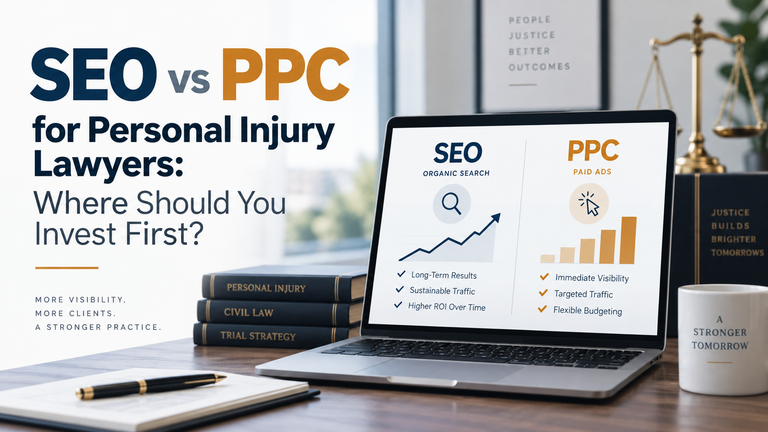
Both channels support different stages of growth and work best together. Paid ads create immediate visibility while SEO builds sustainable traffic and long-term authority.
The Scalable Path To Long-Term Surgical Revenue Growth
The blueprint for long-term surgical revenue growth combines strategic lead generation, stronger consultation systems, better patient nurturing, and revenue-focused tracking. Practices that integrate SEO, paid advertising, landing page optimization, and conversion improvement create more predictable plastic surgery practice growth over time.
Clinics looking to accelerate plastic surgery marketing performance and increase surgical bookings often benefit from working with experienced growth partners like LeadOrigin. A structured growth strategy supported by accurate data, high-converting campaigns, and patient-focused marketing systems creates the foundation for scalable monthly surgical revenue. Contact us today!