
A full consultation calendar looks like success until you compare it against your actual surgical schedule. Most practices are not short on inquiries. They lose qualified prospects in the quiet gaps between the first form fill and the day a patient puts down a deposit. Improving conversion rates for plastic surgery consultations is rarely about buying more traffic. It is about repairing the handoffs, response times, and trust signals that surround every appointment.
Why Consultation Volume Is Not the Same as Growth
Practices tend to measure marketing by lead count because lead count is easy to report. It is also the least useful number in the funnel. A practice booking 60 consults a month at a 20 percent close rate produces the same surgical volume as a practice booking 30 consults at 40 percent, but the first one is paying twice as much in ad spend to get there.
The Real Cost of a Low Close Rate
Every unconverted consult carries a hard cost. You paid for the click, the coordinator’s hour, the exam room, and the surgeon’s time. In competitive aesthetic markets, cost per inquiry for high-ticket procedures regularly runs into the hundreds of dollars, which means a practice closing one in five appointments is absorbing four times that figure for each case it wins. Raising the close rate by even ten points changes the economics of the entire marketing budget without adding a dollar of spend.
Where Practices Lose the Patient
The drop-off almost never happens during the surgeon’s portion of the appointment. It happens earlier: a lead that sat in an inbox for two days, a coordinator who could not answer a financing question, a website that never set expectations about cost. It also happens after, in the three weeks when a patient is comparing you against two other surgeons and nobody from your office follows up.
Pre-Qualify Patients Before They Ever Book
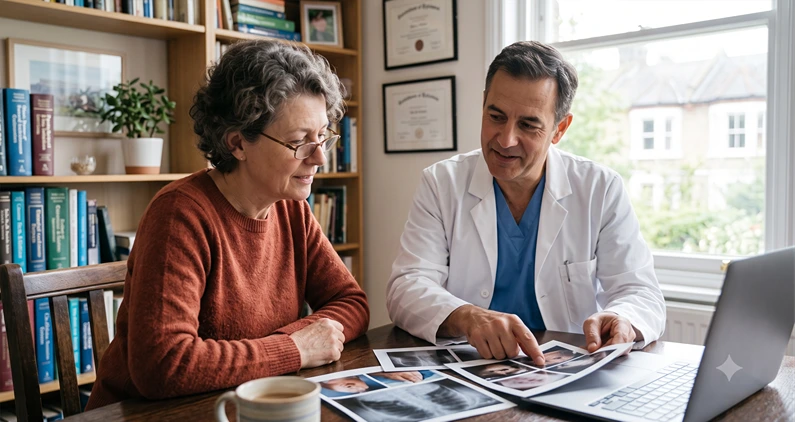
The single fastest way to lift close rates is to change who is showing up. A consultation that converts at a high rate usually started with a well-matched click.
Match Ad Messaging to Procedure Intent
Generic “cosmetic surgery” campaigns pull in browsers. Campaigns built around a specific procedure, a specific concern, and a specific stage of decision pull in patients who already know what they want. Segmenting your paid search campaigns by procedure lets you write ad copy and landing pages that speak directly to a mommy makeover candidate rather than to everyone at once.
Let Content Answer the Hard Questions Early
Patients who arrive already educated close faster. Comparison content does a disproportionate amount of that work, because most aesthetic patients are deciding between two paths before they decide between two surgeons. An article like facelift versus non-surgical facial rejuvenation resolves the surgical-versus-nonsurgical question before the appointment, so the coordinator is not spending the first fifteen minutes on basic education.
Build Landing Pages for Booking, Not Browsing
A procedure page that reads like a textbook entry will lose to one built around the decision. Strong conversion pages lead with candidacy, results, recovery, and financing, then place a booking option every screen or two. Conversion-focused website design treats the request form as the spine of the page rather than something parked in the footer.
Fix the Speed and Ease of Booking
Respond in Minutes, Not Days
Speed to lead is the most consistently underrated variable in aesthetic practice marketing. Inquiry response research across service industries has shown for years that contacting a lead within the first five minutes dramatically outperforms contacting them an hour later, and the advantage collapses almost entirely after 24 hours. Aesthetic patients behave the same way. They submit forms to several practices in one sitting, and the first office to call with a warm, informed voice usually gets the appointment.
Offer More Than One Path to an Appointment
Some patients want to talk. Many will not pick up the phone at all. Giving prospects text messaging, online self-scheduling, and virtual consult options removes friction for the ones who would otherwise abandon the process. A well-configured AI chatbot can capture procedure interest, answer pricing range questions, and place a booked appointment on the calendar at eleven at night when your front desk is closed.
Make the Appointment Itself Convert
Structure the Conversation Around the Patient’s Goal
The highest-converting consultations follow a pattern: understand the concern in the patient’s own words, confirm candidacy, show relevant results, address the specific fear the patient has not said out loud, then present a plan. Practices that lead with technique and credentials before understanding the goal tend to produce impressed patients who do not book.
Price With Context Instead of Apology
Quoting a number and stopping is where a large share of aesthetic consults stall. Presenting the fee alongside what it includes, how it compares to the alternatives the patient was considering, and what financing looks like per month reframes the decision from a lump sum to a monthly commitment. Coordinators who are trained to present financing confidently close measurably more cases than those who wait to be asked.
Give Every Patient a Concrete Next Step
Nobody should leave without a defined action: a surgery date held, a deposit taken, a second appointment scheduled, or a scheduled follow-up call on a specific day. An appointment that ends with “think it over and let us know” converts at a fraction of one that ends with a calendar entry.
Build Trust Before the Patient Walks In
Reviews Are Part of the Consultation
By the time a prospect sits down with you, they have already read your reviews, checked your star rating against two competitors, and looked for complaints. A practice with a 4.9 rating and recent, detailed reviews walks into the room with the decision half made. Systematic review management keeps that asset current, which matters more in aesthetics than in almost any other category because the purchase is elective, expensive, and emotionally loaded.
Results and Social Proof Do the Persuading
Before-and-after galleries organized by procedure, body type, and age bracket let prospects see themselves in your work. Video testimonials and recovery walkthroughs perform particularly well because they answer the questions patients feel awkward asking. This content also carries over into your social channels, where prospective patients research surgeons long before they inquire.
Follow Up Like a Sales Team, Not a Front Desk
Sequence the First 30 Days
Most aesthetic patients do not book on the day of their appointment. They book weeks later, often after a life event or a payday. A structured follow-up sequence covering the first month, mixing a personal call, a recap email with the quote and financing terms, relevant patient stories, and a final check-in, recovers cases that would otherwise quietly go elsewhere. Automated email marketing handles the cadence so nothing depends on someone remembering.
Track What Actually Closes
You cannot improve conversion rates for plastic surgery consultations without knowing which sources, procedures, and coordinators produce surgery. Tagging every inquiry by source and tracking it through to the operating room usually reveals that one or two channels are quietly carrying the practice while others generate volume that never converts.
The Metrics Worth Reporting Every Month
Three numbers tell you almost everything. Consult-to-surgery rate shows whether your in-office process works. Cost per booked case, not cost per lead, shows whether your marketing is profitable. Show-rate shows whether your booking and reminder process is leaking appointments before anyone gets a chance to convert them. Practices that review these three every month tend to fix problems in weeks rather than discovering them at the end of a quarter.
FAQs About Plastic Surgery Consultations and Conversion Rates
What is a good consultation-to-surgery conversion rate?
Most aesthetic practices convert somewhere between 20 and 40 percent, with well-run offices in competitive markets pushing past 50 percent for procedures like breast augmentation. The number varies widely by procedure, price point, and lead source, so your own trailing six-month average is a more useful benchmark than an industry figure.
How fast should a practice respond to a new inquiry?
Within five minutes during business hours, and within an hour otherwise. Aesthetic patients typically contact several practices in a single session, and the first office to reach them with a knowledgeable, unhurried conversation books the appointment far more often than the second or third.
Do virtual consultations convert as well as in-person appointments?
Virtual consults usually convert at a slightly lower rate on their own, but they widen the top of the funnel and screen out unsuitable candidates efficiently. The strongest results come from using a virtual appointment as a qualifying step that leads into an in-person visit for surgical candidates.
How much does website design affect booking rates?
Substantially. Page speed, mobile layout, visible pricing guidance, and how easy the booking form is to reach can shift conversion by double digits on the same traffic. Procedure pages built around the patient decision rather than clinical description consistently outperform generic templates.
Should the surgeon or a coordinator handle pricing?
In most high-performing practices, a trained patient coordinator presents pricing and financing after the surgeon has established the plan. This separation lets the surgeon focus on clinical trust and keeps the financial conversation with someone equipped to walk through payment options in detail.
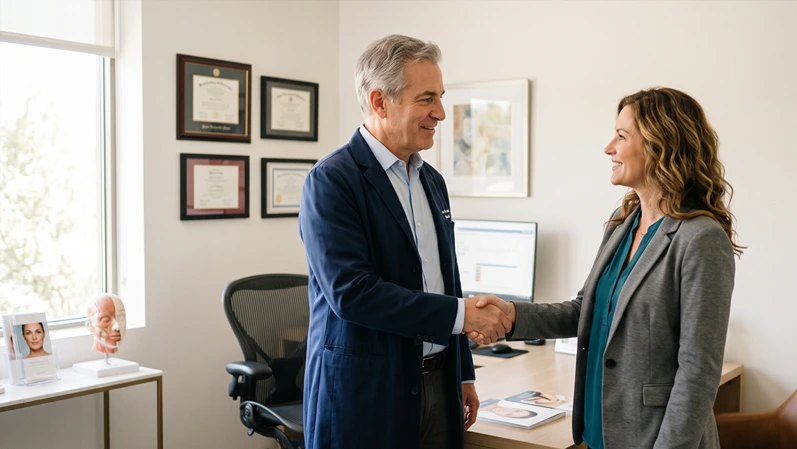
Turning More Consultations Into Booked Procedures
Higher close rates come from tightening the whole path: sharper targeting, faster response, a better-structured appointment, and disciplined follow-up. Each one is a small change on its own, and together they routinely add more surgical cases than a bigger ad budget would. LeadOrigin has built that kind of full-funnel system for practices across Texas and nationwide, pairing performance marketing with the web, content, and reputation work behind it. Talk with our team about where your consultations are leaking.