
Plastic surgeons often waste more than $10,000 per month because their marketing focuses on traffic instead of patient acquisition. A successful plastic surgery marketing strategy requires precise targeting, conversion-focused websites, strong trust signals, and long-term visibility through SEO and retargeting.
Many practices invest heavily in plastic surgeon advertising and paid campaigns without tracking which channels actually generate booked consultations. This article explains the biggest budget leaks in cosmetic surgery marketing, how to improve ROI, and what high-performing patient acquisition systems actually include.
Why Plastic Surgery Marketing Often Becomes Expensive Without Results
Plastic surgery marketing becomes expensive when practices compete aggressively for high-value patients without optimizing conversions. High advertising costs, long decision cycles, and elevated trust requirements make inefficient campaigns extremely costly.
High Competition For Cosmetic Procedure Keywords
Search terms related to facelifts, rhinoplasty, breast augmentation, and liposuction are among the most expensive healthcare keywords online. Competitive metro markets like Los Angeles, Miami, Dallas, and New York can push cost-per-click rates above $20 to $80 per click for premium procedures.
Long Patient Decision Cycles
Most cosmetic patients do not book immediately after seeing one ad or visiting one page. Patients often research providers for weeks or months before scheduling consultations, making follow-up systems essential.
Higher Trust Requirements Compared To Other Services
Patients evaluate credentials, reviews, before-and-after galleries, and website quality before contacting a surgeon. Weak branding or generic messaging lowers trust and causes expensive traffic to leave without converting.
Common Ways Plastic Surgeons Waste Marketing Budget
Plastic surgeons lose marketing budget when campaigns prioritize clicks instead of qualified consultations. Poor targeting, weak websites, and missing attribution systems reduce profitability fast.
Running Ads Without A Clear Patient Acquisition Strategy
Many practices launch campaigns without defining ideal procedures, patient demographics, or revenue goals. This causes ad spend to spread across low-performing audiences with inconsistent intent.
Sending Paid Traffic To Weak Website Pages
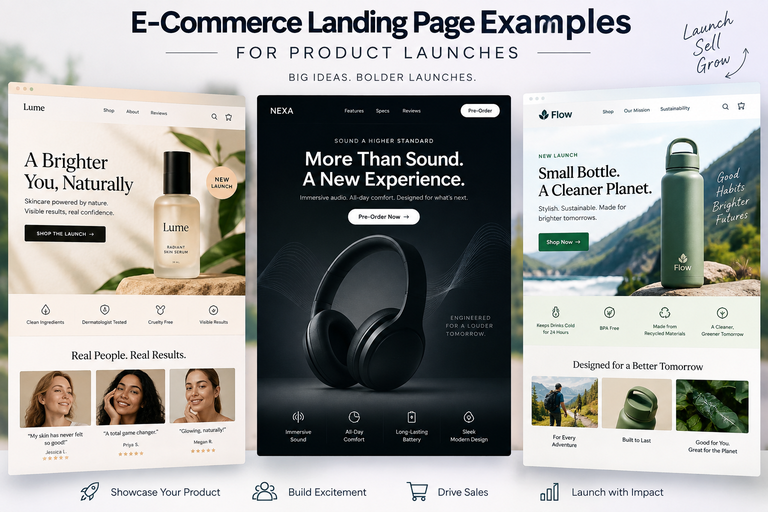
A homepage alone rarely converts high-ticket cosmetic patients effectively. Procedure-specific landing pages with clear CTAs, proof, pricing context, and surgeon credibility perform significantly better.
Targeting Broad Or Low-Intent Keywords
Broad terms like “cosmetic surgery” attract unqualified visitors researching general information rather than booking consultations. High-intent phrases tied to procedures, locations, and outcomes typically produce stronger lead quality.
| Low-Intent Keyword | Higher-Intent Alternative |
| Cosmetic surgery | Facelift surgeon in Dallas |
| Breast surgery | Breast augmentation consultation Miami |
| Liposuction | Liposuction financing in Chicago |
| Plastic surgeon | Board-certified rhinoplasty surgeon NYC |
Not Tracking Calls, Forms, And Booked Consultations
Practices frequently measure impressions and clicks instead of consultations and revenue. Without call tracking and CRM attribution, it becomes impossible to identify profitable campaigns.
Focusing On Lead Volume Instead Of Lead Quality
Cheap leads often become expensive when they fail to convert into procedures. A practice generating 20 qualified consultations typically outperforms another generating 200 low-intent inquiries.
Why Paid Ads Alone Are Not Enough For Plastic Surgery Practices
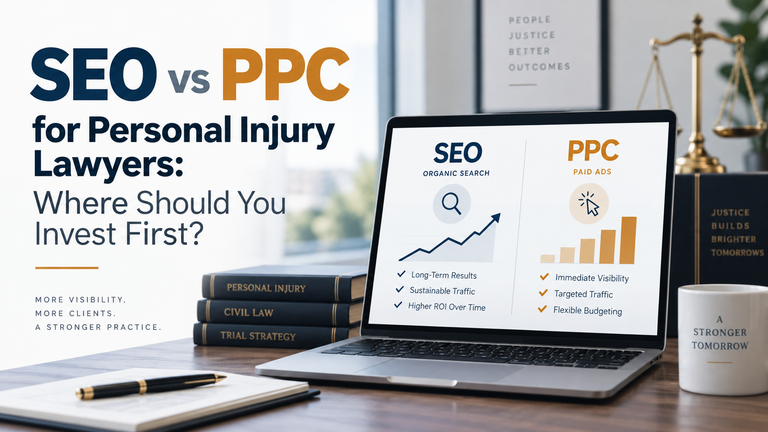
Paid advertising can drive immediate visibility, but relying only on ads creates unstable acquisition costs. Sustainable growth requires SEO, retargeting, conversion optimization, and reputation management working together.
Google Ads Can Be Expensive Without Conversion Optimization
High CPCs make inefficient campaigns financially dangerous for plastic surgeons. Strong plastic surgery conversion rate optimization helps practices generate more consultations from the same traffic volume.
Social Media Ads Need Strong Creative And Retargeting
Instagram and Facebook campaigns perform better when paired with educational content and retargeting audiences. Generic stock imagery and weak messaging reduce engagement and trust immediately.
SEO Builds Long-Term Visibility Beyond Paid Campaigns
Plastic surgery SEO helps practices rank for procedure-specific searches without paying for every click. Strong organic visibility lowers long-term acquisition costs while improving brand authority.

What An Effective Plastic Surgery Marketing Strategy Should Include
An effective plastic surgery marketing strategy combines paid ads, SEO, trust-building assets, and conversion-focused design. Each component should support consultation growth and measurable ROI.
Procedure-Specific Landing Pages
Dedicated pages improve relevance and conversion rates for high-intent searches. Each page should focus on one procedure, one audience, and one consultation goal.
Local SEO For Plastic Surgeons
Local visibility helps practices rank in map results and geographic searches. Strong local optimization improves rankings for terms like “facelift surgeon in Beverly Hills” or “rhinoplasty surgeon in Dallas.”
Strong Before-And-After Galleries
Visual proof strongly influences patient confidence and consultation decisions. Galleries should feature consistent lighting, multiple angles, and real patient outcomes.
Clear Calls-To-Action
Visitors should immediately understand the next step after viewing a page. Consultation forms, financing options, phone numbers, and scheduling buttons should remain highly visible.
Review And Reputation Management
Online reviews directly influence conversion rates in cosmetic surgery marketing. Practices with stronger review profiles typically convert more website visitors into consultations.
Retargeting Campaigns
Most patients do not convert during their first website visit. Retargeting keeps the practice visible across search, social media, and display platforms while patients continue researching.
Mid-sized practices often improve ROI by partnering with specialized healthcare agencies like LeadOrigin for advanced tracking, landing page optimization, and procedure-focused campaign management.
How Plastic Surgeons Can Improve Marketing ROI
Plastic surgeons improve ROI by focusing on conversion quality instead of traffic quantity. Better tracking, segmentation, and website performance typically outperform simply increasing ad spend.
Track The Full Funnel From Click To Consultation
Every marketing source should connect directly to consultations and procedures booked. Practices that monitor full-funnel attribution make faster and more profitable decisions.
Separate Campaigns By Procedure And Intent
Different procedures attract different patient behaviors and price sensitivities. Separating campaigns improves targeting precision, budget allocation, and messaging relevance.
Improve Website Conversion Before Increasing Ad Spend
Increasing traffic to a weak website amplifies wasted spend. Optimizing consultation forms, page speed, mobile experience, and trust signals usually produces better ROI first.
Match Each Procedure With The Right Channel
Some procedures perform better through search ads while others thrive on social platforms. Facial procedures often convert strongly through Google search, while body contouring campaigns may perform well on Instagram.
Use SEO And Paid Ads Together
Combining organic and paid visibility strengthens brand authority across multiple touchpoints. Practices using both plastic surgery PPC advertising and SEO often dominate search visibility more effectively.
Signs Your Plastic Surgery Marketing Budget Is Being Wasted
Most wasted marketing budgets show clear warning signs before profitability declines significantly. Identifying these issues early helps practices correct problems faster.
You Get Clicks, But Few Consultation Requests
High traffic with low inquiry volume usually signals conversion issues. Weak CTAs, poor landing pages, or mismatched targeting commonly cause this problem.
Your Website Traffic Increased, But Revenue Did Not
Traffic alone does not guarantee profitable patient acquisition. Revenue growth matters more than vanity metrics like impressions or sessions.
You Do Not Know Which Campaigns Generate Patients
Lack of attribution creates major budgeting inefficiencies. Every consultation source should connect back to campaigns, keywords, and landing pages.
Your Leads Are Mostly Price Shoppers
Poor targeting often attracts patients focused only on discounts and financing. Stronger messaging and qualification systems improve lead quality significantly.
Your Ads And Website Use Generic Messaging
Generic branding makes practices look interchangeable with competitors. Patients respond better to specialized expertise, surgeon credentials, and procedure-focused messaging.
How To Build A Better Patient Acquisition System
A stronger acquisition system aligns marketing channels, conversion assets, and follow-up processes around profitable procedures. The goal is consistent consultation growth instead of unpredictable lead spikes.
Define Your Most Profitable Procedures
Not every procedure delivers the same profit margins or lifetime patient value. Practices should prioritize campaigns around their highest-performing services first.
Match Each Procedure With The Right Channel
Different channels support different stages of patient research and intent. Search ads capture active buyers while social media nurtures awareness and trust.
Create Educational Content That Builds Trust
Educational blogs, videos, FAQs, and consultation guides improve authority and engagement. Patients convert more confidently when practices answer questions clearly and transparently.
Nurture Leads Who Are Not Ready To Book Immediately
Many cosmetic patients require ongoing follow-up before scheduling surgery. Automated email sequences, retargeting campaigns, and consultation reminders improve long-term conversion rates.
A strong medical spa and plastic surgery marketing system should also integrate cross-promotion opportunities between surgical and non-surgical services. Practices that combine injectable treatments, skincare programs, and cosmetic procedures often improve patient lifetime value substantially.

FAQs About Plastic Surgery Marketing
How Much Should A Plastic Surgeon Spend On Marketing?
Marketing budgets vary based on competition, location, growth goals, and procedure mix. Many established practices spend between 5% and 15% of annual revenue, but the focus should remain on profitable consultation growth rather than raw spend.
What Is The Best Marketing Strategy For Plastic Surgeons?
The best strategy combines SEO, paid advertising, retargeting, review management, and optimized landing pages. A balanced plastic surgery marketing strategy creates both immediate leads and long-term visibility.
Why Are My Plastic Surgery Ads Not Converting?
Low conversion rates usually result from weak targeting, poor landing pages, missing trust signals, or unclear calls-to-action. Many practices also fail to align ads with the correct patient intent.
Is SEO Important For Plastic Surgeons?
Yes, plastic surgery SEO is critical for long-term growth and lower acquisition costs. Organic rankings help practices generate qualified traffic consistently without relying entirely on paid ads.
How Can Plastic Surgeons Get Better Quality Leads?
Higher-quality leads come from precise targeting, stronger messaging, procedure-specific pages, and better qualification systems. Practices should optimize for booked consultations instead of maximizing cheap inquiries.
Stop Paying For Traffic That Does Not Convert
Most ineffective plastic surgeon advertising campaigns fail because they prioritize visibility instead of patient acquisition efficiency. Practices that improve targeting, landing pages, SEO, retargeting, and attribution systems typically reduce wasted spend while increasing conversions.
The most profitable practices combine plastic surgery, PPC advertising, SEO, reputation management, and conversion optimization into one measurable growth system. Companies like LeadOrigin help plastic surgeons build scalable marketing systems focused on revenue growth instead of vanity metrics. Contact us today!