

Patients researching liposuction often focus heavily on the procedure itself and give far less thought to what actually comes after it is over. Liposuction recovery involves a predictable but sometimes underestimated process of swelling, compression, and gradual results that unfold over months rather than days, and understanding that timeline upfront prevents a lot of unnecessary worry along the way.
The First 48 Hours After Surgery
The initial recovery window immediately following the procedure sets the tone for everything that follows.
Managing Swelling and Discomfort
Swelling, bruising, and soreness are expected in the treated areas immediately after surgery, and most patients describe the sensation as similar to intense muscle soreness rather than sharp pain. Prescribed pain management and rest are the priority during this window, with most patients avoiding driving or any strenuous activity entirely.
The Role of Compression Garments
Surgeons almost universally require compression garments starting immediately after surgery to reduce swelling, support the treated tissue, and help skin conform to its new contour. Wearing this garment as directed, often around the clock for the first week or two, has a meaningful impact on how smooth the final results appear.
Weeks One Through Four
The bulk of visible healing and the return to normal activity typically happens within the first month.
Returning to Work and Light Activity
Most patients return to desk work within one to two weeks, though this varies based on how much area was treated and individual healing speed. Physically demanding jobs typically require a longer break, often three to four weeks, before returning without restriction.
Swelling Fluctuates Before It Steadily Improves
Swelling does not decrease in a straight line. Many patients notice it actually appears worse around days five through seven, then begins a steady, gradual improvement over the following weeks. This fluctuation is a normal part of the healing process and not a sign that something has gone wrong.
Months One Through Six
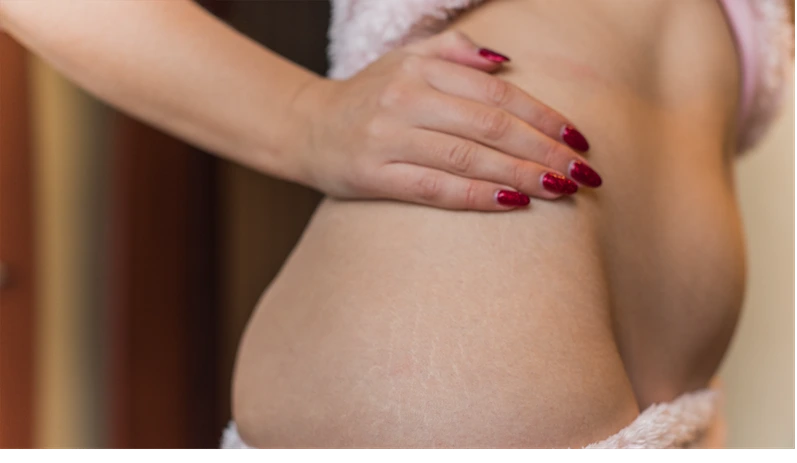
Final results take considerably longer to fully emerge than most patients expect going into surgery.
When Final Results Become Visible
While initial improvement is visible within the first few weeks, final contours typically do not fully settle until three to six months after surgery, as residual swelling resolves and skin gradually retracts to fit the new, reduced fat volume beneath it. Patients researching a detailed week-by-week healing timeline before surgery tend to have far more realistic expectations at the two and three month marks, when swelling can still mask meaningful improvement.
Scar Maturation and Skin Retraction
Small incision scars used for cannula insertion fade considerably over the first six to twelve months, though complete fading varies by skin type and incision care. Skin retraction, or how well the skin tightens over the treated area, also continues to improve gradually during this window, particularly in younger patients with more elastic skin.
Common Side Effects Patients Should Expect
Beyond swelling and bruising, several other side effects are common and generally resolve without intervention.
Numbness and Sensation Changes
Temporary numbness in the treated area is common and typically resolves over several weeks to a few months as nerve endings recover from the procedure. Persistent numbness beyond six months is less common but worth discussing with a surgeon if it occurs.
Fluid Drainage and Firmness
Some fluid drainage from incision sites in the first few days is normal, and surgeons typically provide clear guidance on when drainage should be reported versus expected. Firmness in the treated area, caused by swelling and the body’s healing response, gradually softens over the following months.
Factors That Influence Recovery Speed
Not every patient recovers at the same pace, and several factors meaningfully affect how quickly someone returns to normal activity.
Treatment Area and Volume Removed
Larger treatment areas, or procedures involving multiple areas in a single session, generally require a longer recovery than smaller, more targeted treatments. Patients evaluating whether their case is more or less involved than average can review information on how liposuction safety and scope vary by case to better understand what factors into an individual recovery estimate.
Following Post-Operative Instructions Closely
Patients who closely follow compression garment guidance, activity restrictions, and follow-up appointment schedules generally report smoother, more predictable healing than those who resume normal activity ahead of their surgeon’s recommendations. This is one of the few variables in the entire process that patients have direct control over.
How Practices Set Accurate Expectations Before Surgery
Clear, honest communication about the recovery timeline before a patient ever schedules surgery leads to higher satisfaction and fewer anxious follow-up calls during the healing process.
Detailed Pre-Consultation Content Reduces Anxiety
Practices that publish thorough, realistic explanations of the recovery process, rather than only showcasing polished final results, help set expectations that match what patients actually experience in the weeks after surgery. This kind of transparency is a meaningful part of plastic surgery marketing, building long-term trust rather than short-term appeal.
Encouraging Questions Before Booking
Patients who feel comfortable asking detailed recovery questions before committing to surgery tend to have a smoother experience overall. Practices focused on building patient trust before the consultation create the kind of open communication that makes those questions feel welcome rather than like an inconvenience.
How Recovery Compares to Non-Surgical Alternatives
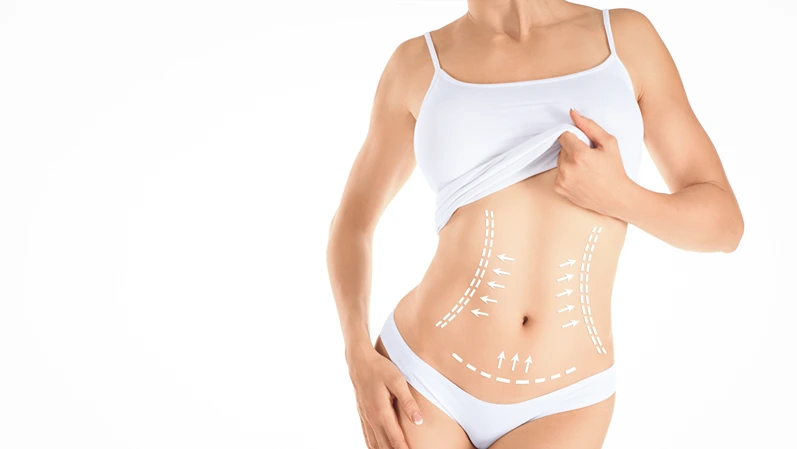
Patients weighing liposuction against non-invasive fat reduction options should understand that the tradeoffs extend beyond just the procedure itself into how each option affects downtime.
Surgical Versus Non-Invasive Downtime
Surgical liposuction requires meaningful downtime and a structured recovery process, but it also delivers more immediate and substantial fat reduction in a single session compared to non-invasive alternatives. Patients comparing their options can review a direct breakdown of liposuction against non-invasive fat reduction to understand how recovery expectations differ between the two approaches.
Choosing Based on Goals, Not Just Downtime Avoidance
While avoiding downtime is appealing, patients with more significant fat volume to address often achieve better, faster results with surgical liposuction despite the longer recovery, compared to multiple sessions of a non-invasive treatment stretched over many months. The right choice depends on the amount of correction needed, not simply which option sounds easier upfront.
Supporting Healing Through Nutrition and Hydration
What patients eat and drink in the weeks following surgery has a measurable effect on how smoothly swelling resolves and on how quickly energy levels return.
Hydration and Reducing Swelling
Adequate water intake helps the body process and reduce post-surgical swelling more efficiently, while excess sodium can worsen fluid retention during the early recovery weeks. Many surgeons specifically recommend increasing water intake and limiting processed, high-sodium foods during the first month after surgery.
Protein and Tissue Repair
Protein plays a direct role in tissue repair, and patients who prioritize adequate protein intake in the weeks following surgery often report feeling stronger and more energized during recovery. This is a simple, low-effort adjustment that supports the body’s natural healing process without requiring any special products or supplements.
Managing Expectations for Multiple Treatment Areas
Patients treating more than one area in a single session should expect a somewhat different recovery experience than those focused on a single, smaller zone.
Combined Areas Extend the Timeline Slightly
When several areas are treated in one procedure, overall swelling and initial discomfort tend to be more pronounced than with a single, smaller treatment area, simply because more tissue is involved in the healing process. Patients should discuss realistic timeline expectations specific to their treatment plan directly with their surgeon rather than assuming a single, universal timeline applies to every case.
Staggering Procedures Is Sometimes Recommended
In certain cases, particularly for larger overall fat removal volumes, surgeons may recommend staggering treatment into two separate procedures rather than combining it into a single longer surgery. This approach can reduce individual recovery burden, though it does extend the total time before all treated areas are fully healed.
When to Contact Your Surgeon During Recovery
Most of the recovery process follows a predictable pattern, but certain symptoms warrant a call to the surgical team rather than waiting for a scheduled follow-up.
Warning Signs Worth Flagging Promptly
Fever, spreading redness, unusual or worsening pain, or drainage that changes color or has a strong odor are all reasons to contact a surgeon promptly rather than waiting to see if symptoms resolve on their own. These signs are uncommon but are worth taking seriously given how straightforward they are to address early.
Routine Follow-Up Appointments
Surgeons typically schedule follow-up visits at set intervals, often one week, one month, and three months after surgery, to monitor healing and address any concerns. Attending these appointments even when recovery feels uneventful helps catch any issues early and gives patients a clear record of their healing progress.
Frequently Asked Questions
How long does swelling last after liposuction?
Noticeable swelling typically improves significantly within the first four to six weeks, though subtle residual swelling can persist for three to six months before final results are fully visible.
When can I exercise again after liposuction?
Most surgeons recommend waiting two to four weeks before resuming light exercise, with a full return to strenuous activity or heavy lifting often delayed until six weeks or later depending on the extent of the procedure.
Is liposuction recovery painful?
Most patients describe discomfort as similar to intense muscle soreness rather than sharp pain, and it is generally well managed with prescribed medication during the first several days.
How long do I need to wear a compression garment?
Compression garments are typically worn continuously for the first one to two weeks, then part-time for several additional weeks as swelling continues to resolve, based on specific surgeon guidance.
Will I see results immediately after surgery?
Some improvement is visible right away, but swelling initially masks much of the change. Final results generally become clear between three and six months after the procedure.
Healing With Realistic Expectations
Liposuction recovery is a gradual process, not an overnight transformation, and patients who understand the realistic timeline going into surgery tend to feel far more confident throughout their healing. Practices that want to attract patients already equipped with this kind of realistic understanding can look at how LeadOrigin approaches marketing for high-ticket procedures like liposuction to build that same trust from the very first search result.